

Published June 22, 2023

European Baby Formula vs. American Baby Formula
Every parent wants the best for their baby, especially when it comes to choosing a formula — whether it’s a supplement to breast milk or as their main source of nutrition. Some parents believe European formulas are “better” or higher quality, and as many as 1 in 5 parents choose to import European options instead of using U.S.-made formulas. But importing non-FDA-approved formulas can come with real risks.
We’re breaking down the similarities and differences between European and American baby formulas, and how to find the right option for your little one’s needs.
What is European Baby Formula?
European baby formula is infant formula made in and distributed from countries like Germany, the United Kingdom (U.K.) and the Netherlands. Some popular EU formula brands, such as Kendamil and Aptamil, can be legally purchased in the U.S. thanks to the Food and Drug Administration’s (FDA) enforcement discretion pathway.
Other well-known formulas, including Holle, Lebenswert and HiPP formula, aren’t approved by the FDA for U.S. distribution.
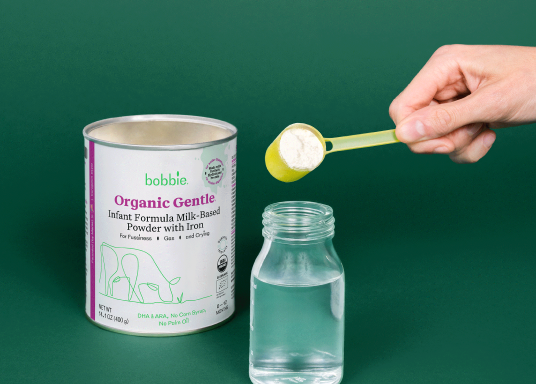
Bobbie infant formulas are clean, EU-style infant formulas that meets all FDA requirements. They are complete nutrition, milk-based powder, modeled after breast milk and is easy on tummies. They are all non-GMO and do not have corn syrup, palm oil, or maltodextrin. Shop Bobbie today!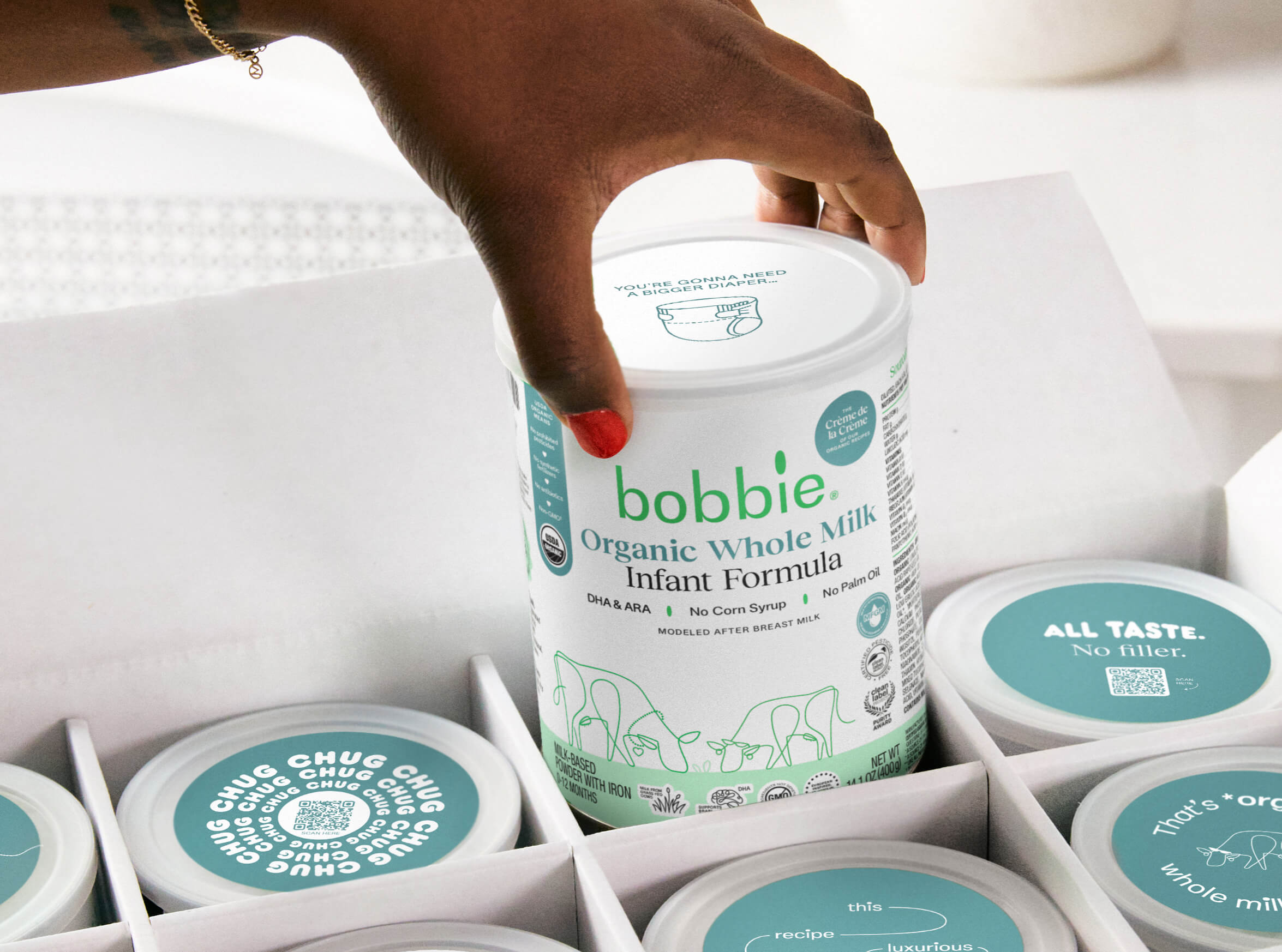
Shop Bobbie Baby Formula
European vs. American Baby Formula: What’s the Difference?
Most European and American baby formulas contain a similar foundation of nutrients designed to support your baby’s healthy growth and development. This typically includes a balance of proteins, fats, carbohydrates, vitamins and minerals. Many formulas also include added prebiotics or nutrients like iron, calcium and DHA (i.e., a fatty acid important for brain and eye development).
From there, the two types of formula start to diverge based on regional regulations and ingredient rules. Here’s a closer look at the key differences you can expect:
-
Milk types allowed: European formulas often include whole cow milk or goat milk, which have been part of their recipes for years. In the U.S., goat milk formulas weren’t allowed until 2022, so many parents are discovering options they may not have seen before.
-
Sweeteners and carbs: European manufacturers aren’t allowed to use corn syrup or corn syrup solids, and they limit the carbs coming from sucrose, or table sugar. American formulas are more flexible with sweeteners, which can make a difference in taste and composition.
-
DHA inclusion: DHA, a fatty acid important for brain and eye growth, is required in European formulas but optional in U.S. formulas. This small nutrient difference can make parents curious about what’s in their baby’s bottle.
-
Age-based stages: European formulas are carefully staged by age to match your baby’s development. Stage 1 (for 0–6) has lower iron and more whey protein, while Stage 2 (for 6–12 months) includes higher iron and more casein protein. U.S. formulas may have stages, but these are less standardized across brands.
How Are European and American Formulas Similar?
While there are notable differences, European and American baby formulas share more in common than not. Key similarities include:
-
Strict regulation: Both regions enforce rigorous regulations to ensure formulas are safe, nutritionally complete and suitable for infants. Each formula must meet specific standards set by its governing authority.
-
Nutrient guidelines: Formula options in both Europe and the U.S. follow similar nutrient guidelines. They cover macronutrients like protein, carbohydrates and fat, as well as essential vitamins and minerals. This ensures balanced infant nutrition regardless of origin.
-
Core ingredients: Many of the base ingredients overlap, including milk, lactose, coconut oil and vegetable oils like sunflower, safflower or low-erucic acid rapeseed (canola) oil. Some formulas may also include soy.
-
Organic standards: Both European and American formulas can meet organic certification standards. One key distinction is that antibiotic use is sometimes allowed in Europe under organic farming rules, whereas U.S. organic farms don’t permit it.
Is American or European Formula Better?
Neither American formula options nor European baby formula brands are inherently “better.” The quality of a formula depends on its ingredients and how well it meets your baby’s needs.
In fact, some U.S. formulas, like Bobbie, follow European guidelines for iron, DHA and corn syrup restrictions while fully meeting FDA standards. U.S. formulas also have advantages that some European baby formula brands may lack. For example:
-
Wider variety: The FDA’s broader rules on carbohydrate sources allow for more formula options, giving American parents flexibility to find what works best for their baby.
-
Fewer ingredients that may cause concern: Some popular European formulas include palm oil, which can reduce calcium and fat absorption and may raise ethical questions about sourcing.
-
Safety and quality control: U.S. formulas typically have fewer touchpoints from manufacturing to delivery, reducing the risk of contamination or damage.
-
Reliable availability: American formulas aren’t subject to global trade disruptions like port strikes or customs delays, helping ensure consistent access when you need it most.
When choosing a formula, consider infant nutrition needs, ingredient preferences and any sensitivities, and don’t hesitate to talk with your pediatrician for guidance. Ultimately, the best formula is the one your baby tolerates well and that you feel confident using.
What Risks Come With Importing European Baby Formulas?
Some American parents turn to third-party websites to purchase European baby formulas that aren’t FDA-regulated. The American Academy of Pediatrics warns against doing so, as importing formula this way can carry several risks:
-
Temperature and storage concerns: Longer shipping times and unregistered warehouse storage can expose formulas to high temperatures, which may affect quality and safety.
-
Recall limitations: If a European formula is recalled, there may be no reliable way for U.S. parents to be notified, increasing the risk of using a potentially unsafe product.
-
Customs seizure: Imported formula can be stopped at U.S. customs, and parents often cannot get a refund if the product is confiscated.
-
Preparation and nutrition errors: Instructions on imported formulas may be in a foreign language. Misunderstanding mixing directions can lead to an under- or over-concentrated formula, risking malnutrition or digestive issues.
-
Higher costs: Parents pay not only for the manufacturer’s product but also for third-party import fees, which can add up quickly.
European Infant Formulas FAQs
Here are answers to some of the most common questions parents have when exploring how European infant formulas and American options compare:
What's the difference between U.S. and European infant formulas?
European formulas often use whole cow or goat milk, limit added sugars like corn syrup and require DHA for brain and eye development. U.S. formulas offer more flexibility with carbs, giving parents a wider variety. Both meet strict safety and nutrient standards, and some U.S. formulas, like Bobbie, offer the same EU-style recipe with whole milk, 100% lactose for carbohydrates, and DHA at EU-required levels.
Why are HiPP and Holle infant formulas not sold in the U.S.?
These brands aren’t FDA-approved for U.S. distribution. Importing them independently can carry risks like improper storage, customs seizure or no recall notifications.
Are there developments in the formula industry to watch?
Yes! Organic infant formulas, options closer to breastmilk and U.S. brands adopting EU standards for iron, DHA and corn syrup are all expanding parents’ choices.
How do I know if an organic formula is right for my baby?
Organic formulas follow strict ingredient and production standards. They can help avoid pesticide residues, antibiotic use, and synthetic additives, but the most important factor is choosing a formula your baby tolerates well. Check with your pediatrician if you’re unsure.
How do I choose the right formula for my little one?
Consider your baby’s age, sensitivities and nutritional needs. Look at:
-
Milk type (whole vs. nonfat, cow vs. goat, animal vs. plant-based)
-
Protein blends
-
Nutrients like iron and DHA
Brands like Bobbie offer European-style nutrition made in the U.S., giving parents a safe, convenient option that’s the best of both worlds!
Bobbie: E.U. Quality With U.S. Safety
You don’t have to go overseas to find a high-quality baby formula for your little one! Bobbie is an American infant formula company that combines many of the nutritional standards of European formulas with the safety and convenience of a product made domestically and delivered straight to your door.
Bobbie offers both flagship Organic and Organic Gentle® formulas that are EU and USDA certified organic, fully FDA-compliant and meet EU standards for DHA and iron. Parents can also choose between whole milk and nonfat milk options to best suit their baby’s needs.
Bobbie formulas contain no corn syrup, feature a fat blend with no soy allergens or palm oil and provide the benefits of a European-style product without the risks of black-market imports. And the best part? Bobbie was founded by two moms who wanted the best for their babies — just like you!
Looking for a European-style infant formula for your little one? Shop Bobbie Infant Formula today!
The content on this site is for informational purposes only and not intended to be a substitute for professional medical advice, diagnosis or treatment. Discuss any health or feeding concerns with your infant’s pediatrician. Never disregard professional medical advice or delay it based on the content on this page.