

Published February 5, 2026

The Formula Pitcher Method: Step-by-Step Bottle Prep for Busy Parents
Feeding a baby is always a balancing act, and combo feeding (juggling breast milk and formula) can make it feel even trickier. The formula pitcher method is a simple way to batch-prep bottles ahead of time, keeping your routine smooth and your stress low.
From step-by-step prep to safe storage and real-life tips for busy parents, learn how to use the formula pitcher approach for more predictable and manageable feedings.
What Is the Formula Pitcher Method?
When it comes to feeding your little one, the formula pitcher method is exactly what it sounds like: mixing a full day’s worth of formula at once in a clean pitcher, then pouring bottles as you need them. Instead of measuring, scooping and shaking every single bottle (often while a baby is already hungry), you prep ahead and store the pitcher in the fridge for up to 24 hours.
Compared to making bottles one at a time, this approach can save serious time and reduce middle-of-the-night stress. It’s especially popular with combo-feeding families, new parents who share caregiving duties, and anyone juggling feedings with, well, everything else.
You might see concerns online about foam, safety, or storage. The good news? Using a pitcher can create less foam than shaking individual bottles, and when prepared and stored correctly, it’s just as safe as single-serve bottles. As long as you follow formula prep and storage guidelines and keep everything clean, the pitcher method can be a simple, reliable way to make feeding a little easier!
Meet the first and only USDA organic infant formula manufactured in the U.S.! Bobbie Organic Whole Milk Formula offers complete nutrition for baby's first year with our closest to breastmilk recipe.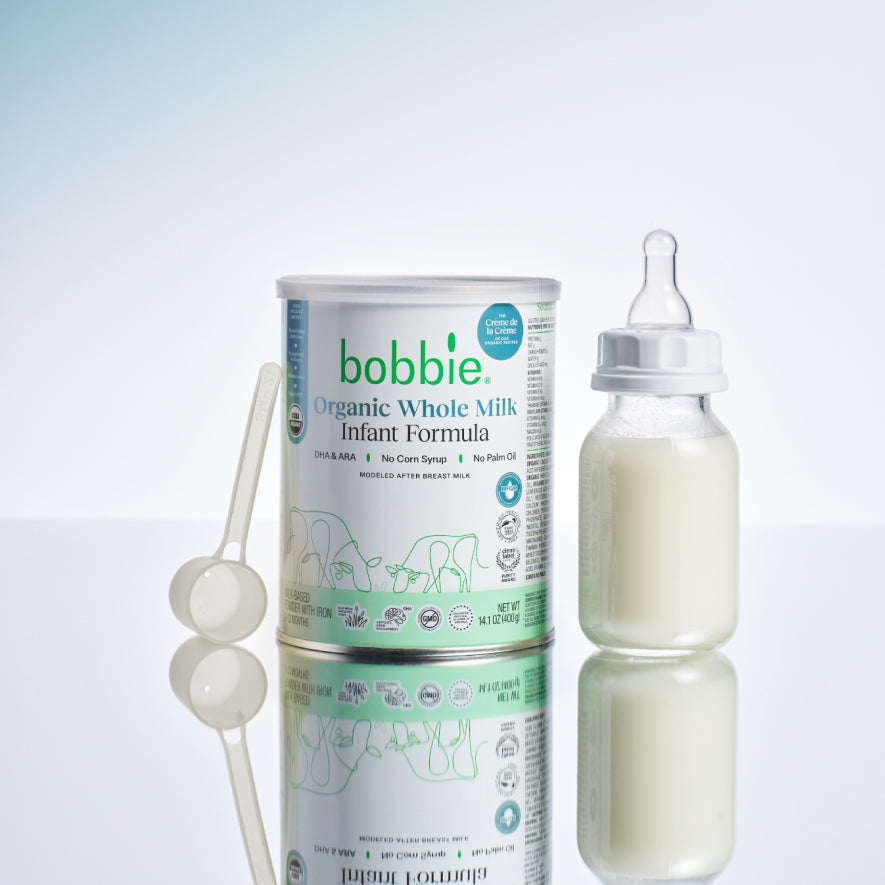
Shop Organic Whole Milk Infant Formula
Who Does the Formula Pitcher Method Work Best For?
The formula pitcher method works especially well for:
-
Families who juggle a mix of breast milk and formula
-
New parents prepping multiple bottles for daycare or other caregivers
-
Making bleary-eyed night feeds more efficient
Families who value consistent baby formula preparation and a simple, convenient routine often find it a perfect fit! At the same time, every baby and household is different — some little ones prefer a freshly made baby bottle, or your schedule may work better with single-serve prep. The key is finding the approach that keeps feeding smooth and stress-free for everyone.
Step-by-Step: How To Make a Day’s Worth of Formula Safely
Looking to get started with the formula pitcher method? It's simple! You just need a few essentials:
-
A formula mixing pitcher with a lid, mixing mechanism and pour spout
-
A safe water source (following your pediatrician’s guidance)
-
Infant formula (powder or concentrate) prepared exactly per instructions
-
The scoop that comes with your powdered formula for accurate measurement
-
Labels or a marker to track prep or expiration date and time
-
A designated spot in the fridge for storage
A 5-Step Approach To Use The Formula Pitcher Method
-
Wash your hands and clean all equipment: Before you touch baby formula or bottles, wash your hands thoroughly. Make sure your formula mixing pitcher, lid, and mixing tool are properly cleaned and sanitized for safe preparation.
-
Measure the water first: Pour the correct amount of safe, cooled water into your pitcher. Always add water before the formula powder — this step helps ensure the correct ratio of formula and water, and allows it to mix properly for your baby.
-
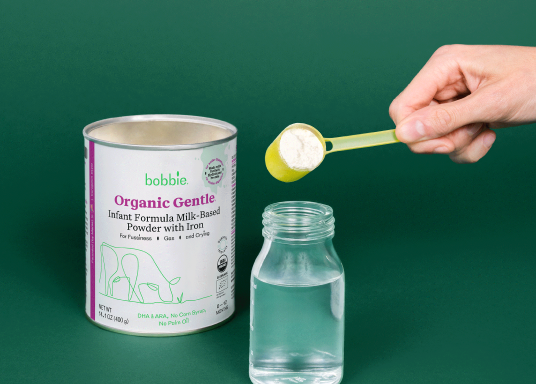
Add formula accurately: Use the scoop that comes with your powdered formula and follow the package instructions exactly for the correct water-to-formula ratio. Accuracy here ensures your baby gets the right nutrition in every bottle.
-
Mix gently: Use the mixing mechanism in the formula pitcher to combine the formula and water. Gentle mixing reduces air bubbles and foam, making bottles easier to feed and helping prevent unnecessary air intake for your baby.
-
Refrigerate and label immediately: Place the pitcher in a designated fridge spot and clearly mark it with the date and time. Prepared formula should be used within 24 hours for safety and freshness.
The Most Common Formula Pitcher Method Mistakes To Avoid
Even with the formula pitcher method, it’s easy to slip up if you’re not careful. One common mistake is losing track of how much formula you’ve added, which can lead to incorrect ratios. Poor sanitation is another; always make sure your pitcher and lid are clean before starting.
Leaving prepared formula out at room temperature for too long can also be risky, so be sure to refrigerate it immediately. And don’t forget to label your pitcher with the date and time — keeping track, or using a date calculator, ensures every bottle is fresh, safe and consistent and not used past the 24 hour expiration mark.
Sign up to get the scoop on feeding, sleep, poop, and so much more. By singing up for email, you are to receive marketing emails from Bobbie and can manage your email preferences or unsubscribe at anytime

Your go-to resource for all things new baby.
Tips for Combo Feeding and Using the Formula Pitcher Method
If you’re combining breast milk and formula, the pitcher method can make life easier — and a few simple tips can help everything run smoothly:
-
Mix and match: Alternate between breast milk and formula in whatever order works for your baby — there’s no one “right” way.
-
Label like a pro: Keep breast milk in separate, clearly labeled containers so you always know what’s what.
-
Play by the rules: Breast milk and formula have different storage times and temperatures. Follow the guidelines to keep every feed safe and fresh. If combining breast milk and prepared formula in the same pitcher, you have to follow stricter formula food safety rules (use within 24 hours of preparation).
-
Go with the flow: Use the pitcher method to have formula ready, but let breast milk feedings fit naturally into your day. Flexibility is key.
-
Stress less, enjoy more: Combo feeding isn’t about perfection. With a little planning, it can be simple, flexible and surprisingly easy for your whole family.
When To Skip the Pitcher Method
How do you know if the formula pitcher method isn’t the best fit for your baby? Premature infants, babies with special medical needs or those who are immunocompromised may require individually prepared bottles. Some little ones may have specific feeding instructions or are using a formula (like those thickened to address reflux) that need careful, single-bottle preparation.
If your pediatrician recommends a different approach, it’s important to follow their guidance. When in doubt, always check with your baby’s care team — they can help you decide if the pitcher method is right for your family.
Formula Pitcher Method FAQs
Still have questions? Here’s what you need to know:
How long does formula made with the pitcher method last?
Prepared formula can be safely stored in the fridge for up to 24 hours. The clock starts from the time you mix the formula, so be sure to label the pitcher with the date and time. Any unused formula should be discarded after 24 hours — safety first!
How should you pour bottles from the pitcher?
Pour only what your baby will drink at each feeding. Formula can be served cold from the fridge if your baby doesn’t mind, or warmed by placing the bottle in a bowl of warm water or using a dedicated bottle warmer. Never use a microwave to heat formula! Partially consumed bottles should never be stored; discard any leftover formula within an hour from the start of the feeding.
How do you reduce foam and air bubbles when using a formula pitcher?
Bubbles happen when formula is shaken or mixed too vigorously and can lead to gassiness. Mixing gently in a pitcher usually creates less foam than bottle-by-bottle prep. Letting the formula settle in the fridge after preparation can also help.
Can I use the formula pitcher method with any type of formula?
Most formulas, like Bobbie Organic Infant Formula, work well for the formula pitcher method. However, thickened formulas (like Enfamil AR) should be prepared fresh for each bottle and are not recommended for this technique.
Feeding Should Feel Safer — and Simpler
Feeding your baby doesn’t have to be stressful. The formula pitcher method can give you confidence, consistency, and a little breathing room; perfect for combo feeding, nightfeeds, or busy mornings. Every routine evolves, and that’s okay! With safe prep and flexible options, you can focus on enjoying mealtime with your baby instead of worrying about it.
Ready to get started with the formula pitcher technique? Shop Bobbie Infant Formula and find a feeding option that works for your family.
The content on this site is for informational purposes only and not intended to be a substitute for professional medical advice, diagnosis or treatment. Discuss any health or feeding concerns with your infant’s pediatrician. Never disregard professional medical advice or delay it based on the content on this page.