

Published December 19, 2025

Breastfeeding Your Newborn: A Guide for the First Few Weeks
Starting your breastfeeding journey can feel daunting, especially when everything seems new and unfamiliar. Remember: every newborn baby is different, and there’s no one “right” way to breastfeed. What matters most is finding a routine that works for you and your little one.
Discover our guide for the first few weeks of breastfeeding a newborn, from feeding frequency and latch techniques to baby cues and more.
What Do the First Weeks of Breastfeeding Look Like?
Breastfeeding often begins within the first hour after birth, when your baby is placed skin-to-skin on your chest. That closeness isn’t just cozy; it helps your little one’s natural instincts kick in as they start to root and latch. Plus, it gives you both an important bonding moment. Those first feeds are made up of colostrum, a thick, golden liquid packed with antibodies, protein and nutrients. This transitional milk is designed to protect and nourish your newborn from the very start!
In the first days, nursing may look less like full meals and more like frequent “practice sessions.” Your baby’s stomach is still very small, so they’ll feed often, and each latch helps stimulate your milk supply. Think of this stage as a time for learning as you find your rhythm together.
Looking at Newborn Feeding Frequency
During the first six weeks, most newborns breastfeed eight to 12 times a day — sometimes more. It may sound like a lot, but frequent nursing ensures your baby gets enough nourishment while also helping your body establish a steady milk supply. You might also notice cluster feeding, when your baby nurses repeatedly over a short period, especially during the evening or growth spurts. While it can feel draining, it’s a normal way for your baby to signal your body to produce more milk.
When it comes to feeding schedules, the best guide is your baby, not the clock. Watch for hunger cues and let those guide feeding times. A more predictable pattern will naturally emerge as your baby grows.
What To Expect From Feeding Sessions
Remember, every baby feeds differently. But on average, a newborn may nurse anywhere from 10 to 45 minutes at a time. Some infants are efficient eaters who finish quickly, while others take their time; both are perfectly normal as long as your little one is gaining weight and having plenty of wet diapers.
If you’re offering both breasts, let your baby finish on the first side before switching. That way, they get both foremilk (to quench thirst) and hindmilk (rich in calories and fat). To switch smoothly, burp your baby, then reposition them on the second breast.
And don’t worry about overfeeding — it’s rare for a breastfed baby to eat too much. Babies are excellent at regulating their own intake, so trust their cues to know when they’ve had enough!
Sign up to get the scoop on feeding, sleep, poop, and so much more. By singing up for email, you are to receive marketing emails from Bobbie and can manage your email preferences or unsubscribe at anytime

Your go-to resource for all things new baby.
How to Read Newborn Feeding Cues With Confidence
One of the biggest learning curves in the early weeks is figuring out what your baby is trying to tell you. Look for early hunger cues like:
-
Rooting (turning their head with an open mouth)
-
Bringing hands to their mouth
-
Making little sucking and lip-smacking sounds
-
Clenched fists
These are gentle “feed me” signals. If you wait until your baby is crying, that usually means they’re already really hungry, which can make latching a bit tougher. You’ll also notice when your baby is done, and these fullness cues include:
-
Relaxed little hands
-
Turning their head away from the breast
-
Snoozing mid-feed
By following your baby’s lead you’ll start to feel more confident, and your baby will feel secure knowing you’ve got them covered!
Getting a Good Latch: Tips and Positions to Help Breastfeeding Feel Better
A good breastfeeding latch should feel comfortable for you and effective for your baby. When the latch is right:
-
Your baby’s mouth covers more of the areola (not just the tip of the nipple)
-
Their chin touches your breast
-
You’ll hear steady swallowing
Sometimes, though, latch issues pop up. A shallow latch, for example, can cause nipple pain, clicking sounds, or a baby who seems frustrated and isn’t transferring milk well. If that happens, try gently breaking the latch with a clean finger and helping your baby relatch with a wider mouth. Small adjustments in positioning (like bringing your baby’s nose to your nipple or making sure their body is tummy-to-tummy with yours) can help too.
And remember, you don’t have to figure it out alone! If pain or latch problems persist, reaching out to an International Board Certified Lactation Consultant (IBCLC) can be incredibly helpful. Bobbie helps make that support more accessible — we offer free weekly sessions with lactation consultants and subsidize IBCLC visits through our partnership with Newborn and Parenting Support (NAPS). Most virtual 1:1 visits are fully covered by insurance.
Breastfeeding Positions That Support a Good Latch
Finding the right position can also make latching easier and more comfortable for you and your baby. Here are a few to try:
-
Cradle hold: The classic position where your baby rests across your lap with their head cradled in your arm, offering closeness and support.
-
Cross-cradle hold: Similar to cradle, but you use the opposite arm to support your baby’s head, giving you more control to guide them to the breast.
-
Football hold: Your baby is tucked under your arm (like holding a football), which can be especially helpful after a C-section or for moms with twins.
-
Laid-back nursing: You recline comfortably while your baby lies tummy-to-tummy on your chest, letting gravity help with a natural latch.
-
Side-lying position: Both you and your baby lie on your sides facing each other, a restful option for nighttime feedings or when you need extra relaxation.
Breast and Bottle: Finding a Feeding Balance That Works for You
For many families, breastfeeding isn’t all-or-nothing, and that’s perfectly okay. You might choose to supplement with formula (often called combo feeding) because it helps support your busy schedule or provides extra flexibility when you need it. Whatever your reason for combo feeding, know that it’s a nourishing choice that can support your baby’s growth.
If you decide to supplement, picking a formula that fits your goals can make the transition feel easier and more intentional. And to help maintain your breast milk supply, try nursing or pumping regularly alongside formula feeds. Not sure where to start? Use our Find My Formula Quiz to find a Bobbie formula that meets your baby’s unique needs.
There’s no “one right way” to feed your baby. Whether you’re exclusively breastfeeding, formula feeding or blending the two, what matters most is that your little one is fed and thriving!
When (and How) to Get Breastfeeding Support
Even with the best preparation, many parents run into challenges like:
-
Difficulty latching
-
Painful feeding
-
Worries about milk supply
-
Managing oversupply
These bumps in the road are common, and you don’t have to navigate them on your own! Lactation consultants are trained professionals who can help with everything from finding a more comfortable feeding position to answering supply concerns, and many hospitals, pediatric practices and community groups can connect you with one.
Reaching out for help isn’t a sign that you’re struggling — it’s a way to gain confidence and make feeding a little smoother, whether you need hands-on guidance or simply reassurance that it’s going well. And remember, support doesn’t stop at feeding: partners, family and friends all play an important role in helping you rest, recover and feel cared for during this time.
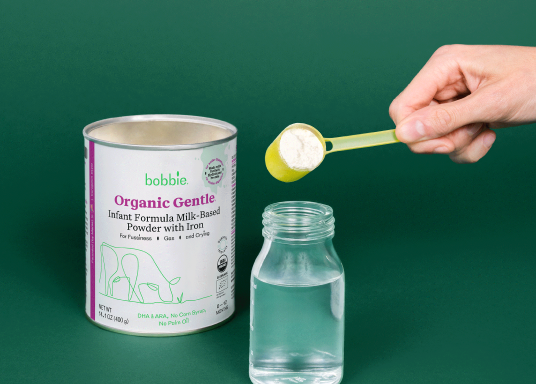
Meet the first and only USDA organic infant formula manufactured in the U.S.! Bobbie Organic Whole Milk Formula offers complete nutrition for baby's first year with our closest to breastmilk recipe.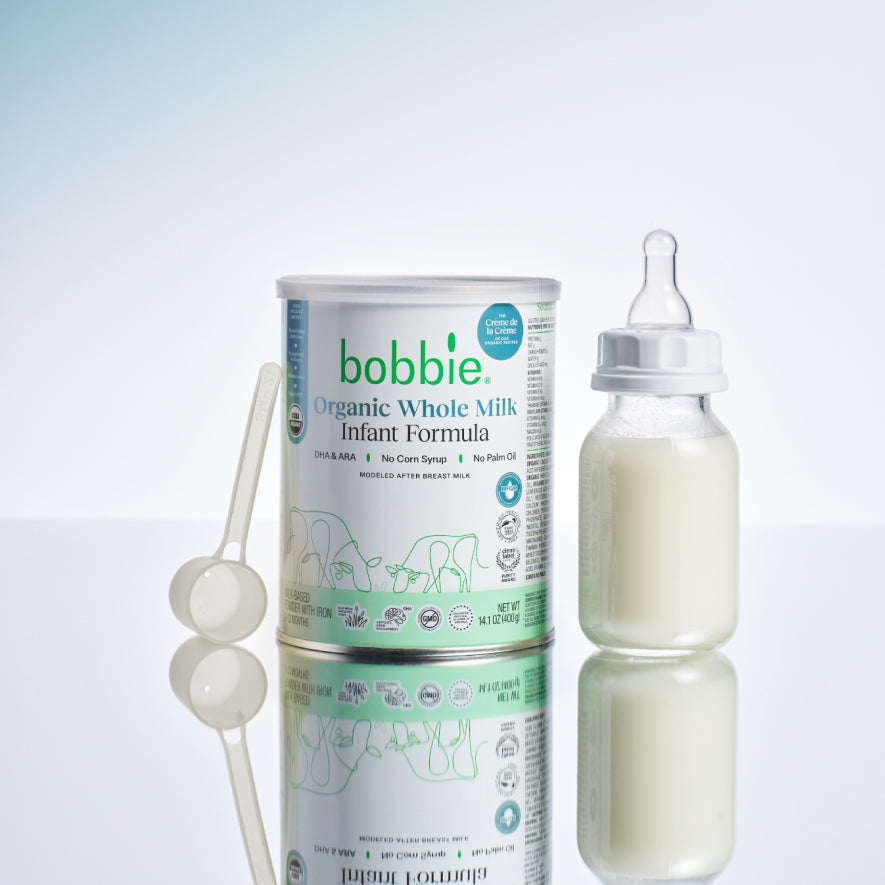
Shop Organic Whole Milk Infant Formula
Breastfeeding Newborn FAQs
Here are answers to some common questions new parents have about breastfeeding in the first few weeks:
What should I eat when breastfeeding a newborn?
Studies suggest that a mother’s diet during breastfeeding can affect her milk’s nutrient quality, highlighting the importance of good nutrition. Focus on whole grains, lean proteins, fruits, vegetables and plenty of fluids. While most foods are safe, some parents notice that certain foods, especially spicy meals, can affect their baby. So, pay attention to how your little one responds and adjust as needed.
Is it normal for breastfeeding to feel painful?
Some discomfort is common in the first few days, especially as your nipples adjust and your baby learns to latch. But a proper latch is key to reducing pain and sore nipples, so try different breastfeeding positions and techniques until it feels right. If breastfeeding pain persists, be sure to consult a lactation consultant for further guidance.
What if my milk hasn’t come in yet?
It’s normal for milk production to take a few days after birth, and your baby may get colostrum (i.e., a nutrient-rich milk produced right after birth) before your full milk supply comes in. Frequent feeding and skin-to-skin contact can help stimulate production. But if your milk hasn’t come in by day five, it’s a good idea to reach out to your healthcare provider or a lactation consultant.
Do I need to pump if I’m exclusively breastfeeding?
Not necessarily. Many parents don’t need to pump if their baby is feeding well and gaining weight appropriately. Pumping can be helpful if you want to build a milk stash, return to work or relieve engorgement. Otherwise, regular feeding alone is usually enough to maintain supply.
Is it safe to breastfeed if I’m sick?
In most cases, yes. Breastfeeding while mildly ill can actually pass antibodies to your baby, helping protect them from infection. But always check with your healthcare provider if you have a more serious illness or are on medication.
Can I take medications or supplements while breastfeeding?
Many medications and supplements are safe during breastfeeding, but it’s important to check with your healthcare provider or pharmacist first. They can guide you on safe options and appropriate dosages for you and your baby.
What’s the best way to store expressed breast milk?
Store freshly expressed milk in clean, BPA-free containers:
-
In the fridge: Use within 4 days.
-
In the freezer: Use within 6 months (or 12 months in a deep freezer).
Thaw frozen milk in the fridge or under warm running water, but never microwave it — this can create hot spots and destroy nutrients.
However You Feed, You’re Not Alone
Breastfeeding can be beautiful, messy, frustrating and empowering — sometimes all in the same day! It’s not always straightforward, and it’s important to remember that feeding is a learning process for both you and your baby. What feels challenging one week may look completely different the next, so give yourself grace, stay flexible and, most importantly, tune into what works for your family.
However you choose to feed (whether exclusively breastfeeding, pumping, supplementing or using formula), you deserve support and respect at every step. That’s why Bobbie is proud to partner with NAPS, ensuring parents like you have access to expert-backed guidance, compassionate reassurance and practical solutions when you need them most.
Looking for more support? Explore resources in the Bobbie Feeding Room for expert advice, real stories from other parents and helpful tools for your feeding journey. And if formula becomes part of your plan, you can shop Bobbie with confidence.
The content on this site is for informational purposes only and not intended to be a substitute for professional medical advice, diagnosis or treatment. Discuss any health or feeding concerns with your infant’s pediatrician. Never disregard professional medical advice or delay it based on the content on this page.