

Published December 18, 2025

Maternal Health: Setting the Stage for a Healthy Start to Parenthood
Every birth story deserves to begin with hope — and with the right care, it can. Around the world, experts continue to highlight the importance of supporting maternal health, ensuring birthing parents have the care and resources they need before, during and after delivery.
For new parents, maternal health isn’t just a medical topic; it’s part of everyday life. When a mother feels strong physically, mentally, and emotionally, that well-being ripples through the entire family. It can influence feeding success, your baby’s growth, and the overall balance of your home.
Knowing what to expect and doing thoughtful preparation can ease those early days helps set the stage for a confident, healthy start to parenthood.
What Maternal Health Really Means for Parents and Babies
The World Health Organization (WHO) defines maternal health as the health of women during pregnancy, childbirth, and the postnatal period. It’s a journey that goes far beyond the hospital stay and shapes those first precious months of family life.
During that time, physical recovery can bring sore muscles, abdominal and pelvic healing, and hormone shifts that lead to hot flashes or night sweats. Fluctuating estrogen and progesterone levels can affect mood, creating moments of joy, anxiety, or both in a single afternoon. Combine that with round-the-clock feedings and fractured sleep, and it’s easy to see why even simple tasks can feel like a big lift.
That’s why reaching out for support isn’t a sign of weakness; it’s a sign of strength. In Bobbie’s Ask for Help Study, 86% of mothers shared that they experienced frequent or constant negative emotions postpartum, reminding us that emotional ups and downs are common.
Navigating the Emotional Ups and Downs of New Parenthood
Welcoming a baby is an incredible mix of joy, love and — let’s be honest — hurdles that deserve real acknowledgment.
The Maternal Mental Health Leadership Alliance reminds us that maternal mental health challenges touch hundreds of thousands of U.S. families each year — and it’s nothing to be ashamed of. It simply means your body and mind are adjusting to a huge change. Some common experiences include:
-
Ongoing fatigue or body aches that last longer than expected
-
Mood swings that range from the “baby blues” to more noticeable anxiety or sadness
-
Trouble finding a feeding rhythm that works for you and your baby
-
Sleep deprivation that makes everyday tasks feel extra hard
-
Feelings of isolation, guilt or self-doubt, even when you have support around you
Meet the first and only USDA organic infant formula manufactured in the U.S.! Bobbie Organic Whole Milk Formula offers complete nutrition for baby's first year with our closest to breastmilk recipe.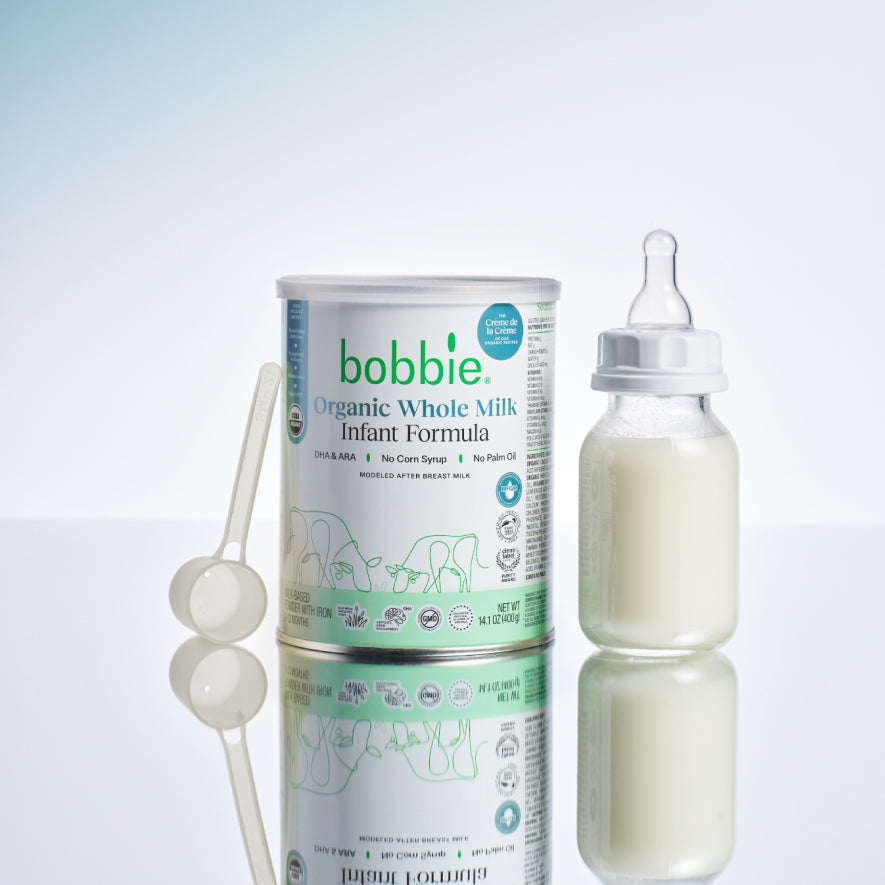
Shop Organic Whole Milk Infant Formula
Signs You Should Call Your Healthcare Provider
Reach out to your healthcare provider if you’re dealing with:
-
Severe pain
-
Heavy bleeding after the first few days
-
Fever
-
Persistent sadness beyond the “baby blues”
-
Intrusive thoughts
-
Debilitating anxiety that inhibits daily functioning
-
Thoughts of harming yourself or your baby
-
Something that just doesn’t feel right
You don’t have to go through it alone: Lactation consultants, pelvic floor physical therapists, perinatal mental health specialists, and your OBGYN are all there to help you heal and feel supported. Most importantly, trust your instincts. If you feel like you need help, you do — and that’s a powerful, caring choice for both you and your baby.
Healing Your Body in the First Weeks at Home
Those first few weeks at home are all about healing:
-
Rest helps your body recover
-
Nourishing meals rebuild nutrient stores
-
Gentle movement keeps blood flowing and eases stiffness
The WHO emphasizes that ongoing care, like attention to nutrition, illness prevention, and supportive follow-up visits, plays a key role in helping both parent and baby recover. But even with the best self-care, unexpected challenges can come up. That’s why it’s so important to reach out to a healthcare provider if you notice signs like heavy bleeding, increasing pain, fever, or shortness of breath. Getting help early can make all the difference in recovery.
Recovery Routines for Your First Weeks
Start with small habits that help you feel your best, because when you’re cared for, it’s easier to care for your baby. Here are a few recovery routines to try:
-
Rest when you can: Try to nap or at least put your feet up when your baby sleeps.
-
Stay hydrated: Keep a water bottle nearby during feedings. You’ll be surprised how quickly you’ll reach for it.
-
Snack smart: Stock up on quick, nourishing options like yogurt, cheese sticks or pre-cut fruit so you can refuel without fuss.
-
Move gently: Once your provider gives the all-clear, short walks or light stretching can boost your energy and mood.
-
Lean on your people: Let a partner, friend, or family member handle meals, laundry, or errands so you can focus on recovery.
-
Stay on top of checkups: Schedule postpartum appointments before leaving the hospital and set reminders in your phone — you deserve follow-up care, too.
Nurturing Your Mental Wellness Postpartum
Feeling overwhelmed in those first few weeks of parenthood isn’t a sign you’re doing anything wrong; it’s a completely normal response to a huge life shift. Naming those emotions early on can make it easier to get the right kind of support and keep small worries from growing into bigger ones.
Here are a few gentle ways to take care of yourself:
-
Open up: Talk about how you’re feeling with your partner, a trusted friend, or a mental health professional who understands postpartum care.
-
Find your calm: Set aside a few minutes each day just for you. You might take a short walk, do some deep breathing, or enjoy a warm shower while someone else gets in a cuddle session with the baby.
-
Protect your rest: When possible, take turns on nighttime duties like feedings or bottle prep so both of you can get a bit more sleep.
-
Keep resources close: Post your healthcare provider’s number and a mental health crisis line somewhere visible. Postpartum Support International can be reached at 1-800-944-4773. Just knowing they’re easy to reach can bring peace of mind.
The Power of Community in Early Parenthood
Healthy parents rarely thrive in isolation — it really does take a village! Here are a few meaningful ways loved ones and communities can make a difference:
-
Pitch in with the basics: A home-cooked meal, a load of laundry, or watching the baby so parents can nap often means more than words of encouragement.
-
Ask, then listen: Try open-ended questions like “How are you feeling today?” and hold space for whatever answer comes your way — no judgment, just care.
-
Offer gentle accountability: Encourage postpartum checkups and, if invited, tag along for extra support.
-
Connect them to the community: Help find local or online parenting groups that share evidence-based guidance and a sense of belonging.
-
Share trusted resources: Keep a short list of reputable hotlines or websites handy for after-hours questions or concerns.
-
Normalize getting help: Speak openly and positively about therapy, lactation consultants, and other forms of professional support. This reminds parents they’re not alone.
Nutrition and Self-Care Tips for New Parents
Fueling your body with nourishing foods helps speed healing, boost energy and support your mood. Remember, staying hydrated and eating nutrient-rich meals (especially those with iron, calcium and vitamin D) all contribute to the well-being of you and your little one. And for busy parents, convenience counts:
-
Keep fruit, nuts, and pre-cut veggies nearby for one-handed snacks.
-
Try batch-cooking simple meals like sheet-pan salmon with sweet potatoes for quick reheats.
-
Keep a water bottle at every feeding station.
-
If your provider suggests supplements, set reminders to stay on track.
Self-care doesn’t need to be fancy, it just needs to fit your day. A few deep breaths, a quick stretch, or jotting a gratitude note can help you feel grounded and recharged.
Sign up to get the scoop on feeding, sleep, poop, and so much more. By singing up for email, you are to receive marketing emails from Bobbie and can manage your email preferences or unsubscribe at anytime

Your go-to resource for all things new baby.
Maternal Health FAQs
New parent life comes with lots of questions — here’s what you need to know:
How soon can I start gentle exercise?
Most parents can begin light walking once bleeding slows, but always check with your provider at your postpartum visit. Many recommend waiting to resume formal exercise until six weeks after birth.
Do I need extra calories while breastfeeding?
Yes! About 300–500 extra calories of nutrient-rich foods help support milk production and your own recovery. Focus on whole foods like fruits, vegetables, whole grains, and protein to keep your energy steady throughout the day.
What if I choose formula or combo feeding?
Your body still needs balanced meals, hydration and rest. The feeding method doesn’t change the nutrients your body needs to heal and recover, so continue prioritizing nutrient-dense foods and maintaining self-care routines.
Which warning signs mean “call the doctor”?
Contact your healthcare provider if you notice:
-
A fever over 100.4°F
-
Sudden breast pain
-
Redness or swelling around an incision
-
Headaches with vision changes
-
Shortness of breath and/or fast heart rate
-
Worsening mental health symptoms
It’s always better to check in early and get guidance if you’re unsure.
Can supplements replace whole foods?
Supplements are a helpful backup, but not a replacement. Focus on a varied diet first, then fill in gaps such as vitamin D or DHA, with guidance from your healthcare provider.
How do I know my baby is getting enough iron?
For exclusively breastfed babies, ask your provider about iron supplementation at the four- or six-month checkup. For babies on formula or taking in iron-rich solids, iron-fortified formula and cereals usually meet daily needs.
How Bobbie Supports Maternal Health and Confident Feeding Choices
Bobbie’s Feeding Room turns insight into action, offering weekly live support sessions for every family — customer or not. Combined with on-demand videos and expert-led webinars, it helps parents troubleshoot challenges, build confidence, and connect with a judgment-free community.
Nutrition is the other half of the equation. Bobbie’s USDA Organic, European-style formulas are crafted without corn syrup, palm oil or soy allergens, and each batch goes through over 2,000 quality checks. That way, parents can feel confident that every bottle supports healthy growth while meeting modern ingredient standards.
Support and Self-Care Beyond the Early Weeks
Taking care of yourself isn’t a luxury; it’s the foundation of a thriving family. Whether you’re rocking a newborn at 2 a.m. or sneaking in a quick stretch between tasks, asking for help is a smart, proactive choice. Prioritizing your well-being today benefits your baby’s growth, your relationships and your long-term health.
Looking for a judgment-free space and expert guidance? Check out Bobbie’s Feeding Room, or shop Bobbie Organic Infant Formula today.
The content on this site is for informational purposes only and not intended to be a substitute for professional medical advice, diagnosis or treatment. Discuss any health or feeding concerns with your infant’s pediatrician. Never disregard professional medical advice or delay it based on the content on this page.