

Published December 27, 2025

Understanding Body Changes During Pregnancy: What To Expect and How To Prepare
Pregnancy is one of life’s most incredible journeys; equal parts awe-inspiring and, at times, a little uncertain. From the moment it begins, your body starts working overtime to support and nurture new life — and no two experiences are exactly alike. While some changes may feel surprising or even a little overwhelming, they’re all signs that your body is preparing for something incredible.
Explore our trimester-by-trimester guide to the body changes you can expect on your pregnancy journey and simple ways to support yourself as you move through each stage.
Preparing for Pregnancy’s Big (and Small) Changes
Research reports that nearly 85% of women worldwide experience at least one pregnancy in their lifetime, with about 140 million pregnancies each year. Over the course of roughly 40 weeks, the body goes through remarkable changes to support a growing baby. So if you’re on this journey — whether it’s your first or your fourth — you’re far from alone. And while the shifts you notice in your body may feel surprising or even overwhelming at times, most are a normal part of pregnancy.
Understanding the changes your body goes through isn’t just about curiosity; it’s about feeling more prepared and supported at every step. When you know what’s happening and why, it can ease a lot of the anxiety that comes with unexpected shifts. It also gives you the tools to make informed choices about your health, comfort and self-care — whether that’s deciding:
-
When to rest
-
How to manage new symptoms
-
When to check in with your provider
Knowledge also opens the door for honest, meaningful conversations with your healthcare team and support network, so you never feel like you’re navigating changes on your own.
What’s Happening to Your Body During Pregnancy?
During pregnancy, your body is doing something extraordinary — growing a new life! And that comes with plenty of changes. Here are some of the most common shifts you may notice along the way:
-
Breasts: Tenderness and swelling often show up early as your body prepares for milk production. Veins may become more visible, and nipples can darken. A supportive, comfortable bra can make breast changes much easier.
-
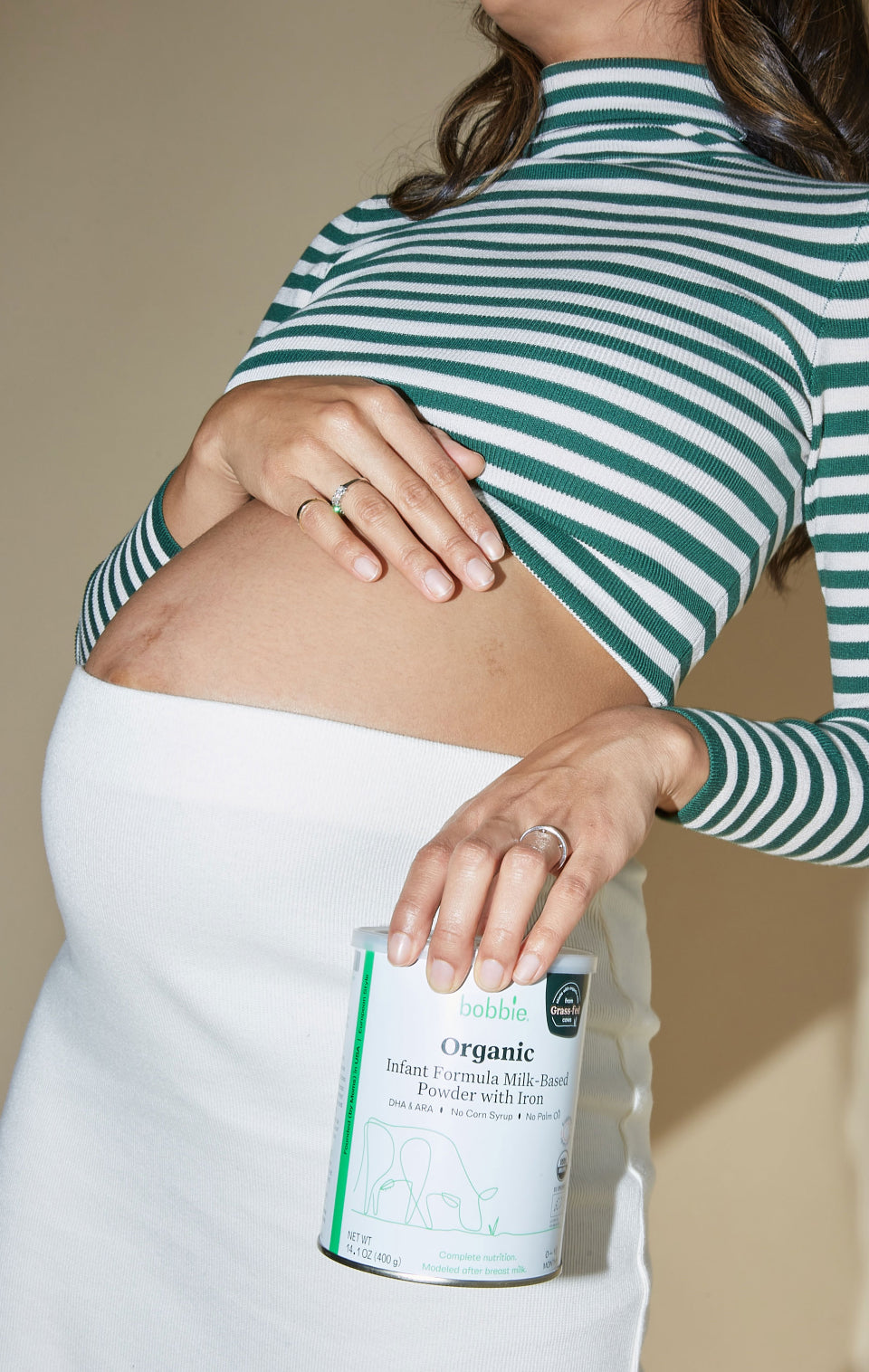
Belly: Your enlarging uterus is the reason behind that growing bump, which usually becomes noticeable in the second trimester. Some show earlier, others later — if you’re concerned about your timeline, feel free to check in with your healthcare provider.
-
Skin: Stretch marks, pigmentation shifts like the linea nigra (i.e., a dark line that develops on your stomach during pregnancy) and even acne may appear, but many also notice the famous “pregnancy glow.” Skin changes are often another sign of pregnancy hormones hard at work.
-
Hair and nails: Hormonal boosts often bring thicker hair and faster nail growth, which can feel like a perk. After birth, hair loss is common as hormone levels rebalance. This is usually temporary, though sometimes surprising.
-
Digestion: Slower digestion may lead to bloating, constipation or heartburn. Eating smaller, more frequent meals, sipping water often and moving gently can help keep these feelings manageable.
-
Feet and joints: Extra fluid and weight may cause swelling in your feet and ankles, while relaxin loosens joints and ligaments to prepare for birth. This can even change your shoe size, so supportive footwear is key.
-
Mood and mental health: Emotional changes are part of the process, influenced by hormonal shifts, physical discomfort and anticipation. Honest conversations with loved ones or your provider can make a big difference.
-
Overall body shape: Weight gain, postural changes and shifts in body proportions are often part of pregnancy. No two bodies look the same, and every journey is worth embracing.
Sign up to get the scoop on feeding, sleep, poop, and so much more. By singing up for email, you are to receive marketing emails from Bobbie and can manage your email preferences or unsubscribe at anytime

Your go-to resource for all things new baby.
Body Changes During Pregnancy: Trimester-by-Trimester
Here’s a quick breakdown of the trimester-by-trimester journey for a closer look at what you might experience — and when. Keep in mind, it can be perfectly normal if your timeline looks a little different:
First Trimester (Weeks 1–13)
The very start of pregnancy may feel like the biggest adjustment:
-
Hormonal shifts arrive quickly, often bringing fatigue, morning sickness and mood swings.
-
Weight gain can begin, most of it from your growing uterus, placenta and the extra blood your body is producing.
-
Your heartbeat and breathing may pick up speed to keep up with these changes.
-
Tender, fuller breasts due to increased hormones signal early preparation for feeding.
-
Frequent trips to the bathroom are common as your enlarging uterus presses on your bladder.
Emotionally, you may feel excitement one moment and uncertainty the next, and many notice “pregnancy brain” or forgetfulness creeping in. All of these shifts, though sometimes overwhelming, can be completely normal.
Second Trimester (Weeks 14–26)
Often called the “golden trimester,” this stage brings a little relief from the exhaustion and nausea of early pregnancy. Your belly may begin to show as your uterus expands, and you may gain a bit more weight during this stage. At the same time:
-
Your heart works harder to pump the extra blood your body is producing.
-
The hormone relaxin loosens joints and ligaments in preparation for delivery — though it can sometimes leave you feeling wobbly or achy.
-
You may notice changes in your hair and nails, which can become thicker and stronger; however, sometimes they can become softer and more brittle.
-
Cravings may begin, along with new food aversions, and your appetite usually increases.
Emotionally, some parents feel calmer, while others may experience anxiety as prenatal tests, such as ultrasounds, take place. It’s all part of your body and mind adjusting to this middle stage of pregnancy.
Third Trimester (Weeks 27–40)
The final stretch brings its own set of changes as your body gets ready for birth. Weight gain is most noticeable now — much of it can be from your baby, placenta, amniotic fluid and increased blood volume. You might also notice:
-
More obvious swelling in your feet, hands and ankles
-
Back pain along with postural changes
-
Sleep that’s disrupted by discomfort, vivid dreams or frequent trips to the bathroom
-
Breast changes to prepare for nursing, sometimes even leaking colostrum
-
Braxton Hicks contractions, which feel like a tightening across your belly
Toward the very end, your baby “drops” into position, which can ease breathing but increase pelvic floor pressure. Emotionally, this trimester can bring a mix of anticipation, worry and impatience — which can all be perfectly normal as you near the big day.
Smart, Simple Ways to Stay Comfortable and Supported
Pregnancy may bring plenty of physical changes, but small adjustments can go a long way in keeping you comfortable and confident. Explore six simple strategies to help you feel supported along the way:
-
Dress for comfort, not stress: Your body is growing and shifting, so give it room to breathe. Opt for breathable, stretchy fabrics that move with you, supportive bras to ease pressure and shoes with a little extra room for swollen feet.
-
Rest like it’s your job: Getting quality rest isn’t always easy during pregnancy. Try using a pregnancy pillow to support your belly and hips, and listen when your body asks for a nap. Rest is just as important as activity — it’s part of the work of growing a baby.
-
Fuel up the smart way: Nourishing yourself doesn’t have to mean big meals. Small, frequent snacks can help keep energy steady and ease nausea or heartburn. Staying hydrated is also key, and reducing caffeine can support better rest and calm.
-
Move to feel better: Gentle exercise like prenatal yoga or daily walks can relieve aches, improve circulation and support digestion. Movement doesn’t have to be intense — it’s about finding activities that feel good and remind you that your body is strong and capable.
-
Care for your mind, too: Emotional changes and mood swings are common. Sharing your feelings with a provider, counselor or trusted friend can ease the weight and remind you that you’re not alone. Mental health care is self-care, too.
-
Lean into your village: Pregnancy is easier when you’re surrounded by support. Lean on your partner, friends, doula or healthcare team, and remember Bobbie’s community is here for connection and encouragement whenever you need it!
Meet the first and only USDA organic infant formula manufactured in the U.S.! Bobbie Organic Whole Milk Formula offers complete nutrition for baby's first year with our closest to breastmilk recipe.
Shop Organic Whole Milk Infant Formula
Pregnancy Body Changes FAQs
As an expecting parent, it’s natural to have questions about what’s normal and what might need a little extra attention. Here are answers to a few of the most frequently asked questions about pregnancy body changes you might run into:
Is it normal to feel cramps during pregnancy?
Yes, mild cramping is common as your uterus expands and ligaments stretch to make room for baby development — especially in the first and second trimesters. Gentle rest, hydration or changing positions can help. If cramps become severe or are paired with bleeding, always reach out to your provider.
Can pregnancy affect my vision?
It can. Hormonal changes may lead to dry eyes, blurred vision, or slight swelling that affects how your eyes focus. These pregnancy symptoms are usually temporary and fade after delivery, but sudden vision loss or flashing lights should be reported right away.
How much weight should I expect to gain?
Weight gain varies depending on your body type, pre-pregnancy weight, diet and overall health. However, providers often recommend gaining 25–35 pounds over the course of pregnancy. Your doctor or midwife can provide more specific guidance if needed.
Why do I feel short of breath even when resting?
As your uterus grows, it presses on your diaphragm, making it harder to take deep breaths. This is especially common in the later stages of pregnancy. Shortness of breath is usually harmless, but if you feel dizzy, faint or have chest pain, call your provider right away.
What is the hardest trimester of pregnancy?
It depends! Many find the first trimester hardest due to morning sickness, fatigue and big hormonal changes, while others feel the third trimester is more challenging physically as the body prepares for labor. Each stage has its hurdles — but also its joys.
What are Braxton Hicks contractions?
They’re often called “practice contractions” — tightening of the uterus that can feel like mild cramps or pressure. Luckily, Braxton Hicks contractions are normal, irregular and usually stop with rest or hydration.
What are the warning signs of a possible problem during pregnancy?
There are a few key signs that extra care is needed. Contact your provider immediately if you experience:
-
Severe abdominal pain
-
Heavy bleeding
-
Sudden swelling of the face or hands
-
Persistent headaches
-
Vision changes
-
Reduced baby movement
From Bump to Baby: Enjoy the Journey
Pregnancy is a time of incredible change, and you’re doing amazing every single day! Listen to your body, trust the process and take each moment one step at a time — and remember to celebrate small victories along the way. Every shift and milestone is part of preparing for the exciting journey ahead.
When it’s time to nourish your little one, Bobbie is here to support you with high-quality, organic infant formula designed to provide complete nutrition for growing babies. Our formula is crafted with thoughtfully sourced ingredients and backed by the latest research, giving you confidence in every feeding.
Shop Bobbie Organic Infant Formula today, or explore more Bobbie resources to support your pregnancy journey with confidence and care.
The content on this site is for informational purposes only and not intended to be a substitute for professional medical advice, diagnosis or treatment. Discuss any health or feeding concerns with your infant’s pediatrician. Never disregard professional medical advice or delay it based on the content on this page.