

Published January 6, 2026

How to Soften Baby Stool: Practical Remedies for New Parents
Some days, it feels like the tiniest things become the biggest mysteries. Like when your baby suddenly seems uncomfortable, grunting, straining or skipping bowel movements for a day or two, and you wonder: Is this normal? Should I be worried? What am I supposed to do?
Firm stools, infrequent stooling or a little extra effort during a poop are all ubiquitous in babies and young children. It’s one of those things almost every parent runs into, but nobody really talks about in detail.
Rest assured, you’re not doing anything wrong. And there are plenty of safe, simple ways to help your baby soften their stool and ease discomfort.
This guide will walk you through what causes firm stools, signs to look out for, gentle remedies by age and when to check in with your pediatrician. Think of this as your guide to helping your baby poop a little easier.
Signs and Causes of Firm Stools in Babies
Not every hard stool means something serious, but there are a few signs to help you figure out if your baby might be struggling with a firmer stool. You might notice:
-
Hard, dry poop that looks like small pebbles or pellets
-
Straining or crying during a bowel movement
-
Going more than a few days without a poop, especially if that’s unusual for your baby
-
A bloated belly or signs of discomfort
-
Tiny tears or blood around the anus due to passing hard stool
What’s considered “normal” varies wildly. Some breastfed infants may poop after every feed. Others might go several days between bowel movements and be perfectly content, and have soft stool when it happens. So it’s less about how often your baby poops, but the texture and the effort it takes.
There are several common causes of firmer stools in babies and young children:
-
Switching from breast milk to formula, or vice versa
-
Introducing solid food for the first time
-
Low fluid or fiber intake (depending on age)
-
A developing gut microbiome, and immature pelvic floor coordination — the body is still learning how to “bear down” effectively
And sometimes, your baby might seem uncomfortable after a feeding, leaving you wondering what’s behind the fuss. (Here’s a deep dive into why babies get fussy after eating.)
If you're also noticing unusual diaper changes — say, bubbles or frothiness — it's worth checking out this guide on newborn frothy poop.
Sign up to get the scoop on feeding, sleep, poop, and so much more. By singing up for email, you are to receive marketing emails from Bobbie and can manage your email preferences or unsubscribe at anytime

Your go-to resource for all things new baby.
7 Safe and Effective Ways to Soften Baby Stool
Let’s talk about what you can do to help your baby pass stool more comfortably. These are gentle, pediatrician-approved methods that can make a real difference — and they’re all about tuning into your baby’s unique needs.
Offer Age-Appropriate Fluids
For babies under 6 months, breast milk or infant formula provides all the fluid they need. If your baby is older than 6 months, a small amount of water (no more than 4–8 ounces per day) can help keep things moving. Avoid juice unless your pediatrician recommends it.
Tummy Massage + Bicycle Legs
Gentle, clockwise tummy rubs and slow bicycle kicks can stimulate a baby’s bowels. Do this a few times a day when your baby is calm (and you have clean hands). You might be surprised how much a simple routine helps.
Add High-Fiber Foods (When Appropriate)
For babies eating solids, try offering small amounts of pureed prunes, pears, peas or apricots — all known to help soften baby stool naturally. Avoid constipating foods like rice cereal or bananas if your baby is already having trouble.
Consider Probiotics
A daily probiotic supplement may support digestion and help build a balanced gut microbiome. Always check with your pediatrician before starting one.
Tummy Time + Movement
It’s not just about neck strength — tummy time helps stimulate core muscles, which in turn can support regular bowel movements.
Evaluate the Formula
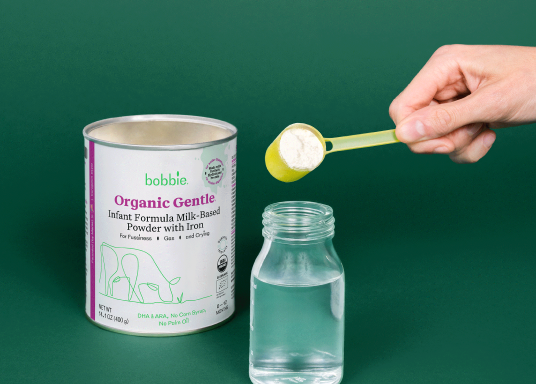
If your baby is on formula and you’ve noticed recurring digestive issues, it might be worth considering a gentler blend. Bobbie’s Organic Whole Milk Infant Formula is made with easy-to-digest ingredients and modeled after breast milk’s fat composition. The combination of added whey protein, lower iron, and naturally-occurring milk fat make it designed to support softer stools. You can learn more about the benefits of whole milk baby formula right here.
Stick to a Routine
Babies thrive on consistency. A predictable rhythm of meals, naps, and active time supports digestion — especially as your baby grows older.
Gentle Stool Solutions for Every Age
The way you support your baby’s digestion should change as they grow. Here’s a closer look at age-appropriate solutions for firmer stools in babies and toddlers:
-
Newborns (0–6 months): Stick to breastmilk or formula, use gentle movement and ask your doctor about introducing a probiotic supplement if infrequent stooling is a recurring issue.
-
Older infants (6–12 months): In addition to formula or breast milk, you can offer a little water, plus high-fiber fruits and veggies. Keep portions small and observe how your baby responds.
-
Toddlers: At this stage, your child’s diet should include whole grains, vegetables and plenty of fluids. Encourage movement throughout the day and reinforce consistent potty routines, even if they’re still in diapers. Also, be sure to keep an eye on your baby’s milk consumption! Too much cow’s milk (more than the recommended 16oz/day for ages 1-2) can make for firmer stools.
If you're wondering how feeding schedules affect digestion, you may want to explore our guide on newborn feeding cues.
Signs It’s Time to See a Pediatrician
Most cases of infrequent stooling or firm stools in infants resolve with simple changes. But sometimes, it’s best to bring in your pediatrician. Keep an eye out for:
-
Blood in stool
-
Hard, pellet-like stool that doesn’t improve after a few days
-
A baby who refuses to eat or seems extremely uncomfortable
-
More than 5–7 days without a bowel movement (especially if it’s unusual for your baby)
There’s no such thing as overreacting when it comes to your baby’s health. If something feels off, trust your instincts.
FAQs
How can I tell if my baby’s stool is too hard?
If your baby’s poop is dry, firm or shaped like small pebbles, it’s likely too hard. Look for signs of straining or skipped poops.
What foods help soften stool in babies?
Consider fiber-rich fruits and veggies: prunes, pears, peas and apricots are baby-safe options when they’re ready for solids.
How long can a baby go without pooping before I should worry?
It depends on the baby and their feeding type. Some infants may go several days between poops, and this tends to be okay as long as the stool is soft (liquidy, pasty, or even formed but squishable) when it happens. If your baby seems in pain or hasn’t pooped in a week, check in with your pediatrician.
Can changing infant formula help with firm stools?
Sometimes, yes. Some formulas are easier to digest. Talk to your pediatrician about your options — and look into gentle, gut-friendly blends like Bobbie Organic Whole Milk Infant Formula.
Do formula-fed babies poop less often?
They can! Formula is digested differently than breast milk, and bowel movements may be less frequent, and may be greener in color. What matters is the comfort and consistency of your baby’s poop.
Does teething affect bowel movements?
Teething itself doesn’t cause firm stools, but changes in appetite or fluid intake during teething phases can impact stool texture.
Meet the first and only USDA organic infant formula manufactured in the U.S.! Bobbie Organic Whole Milk Formula offers complete nutrition for baby's first year with our closest to breastmilk recipe.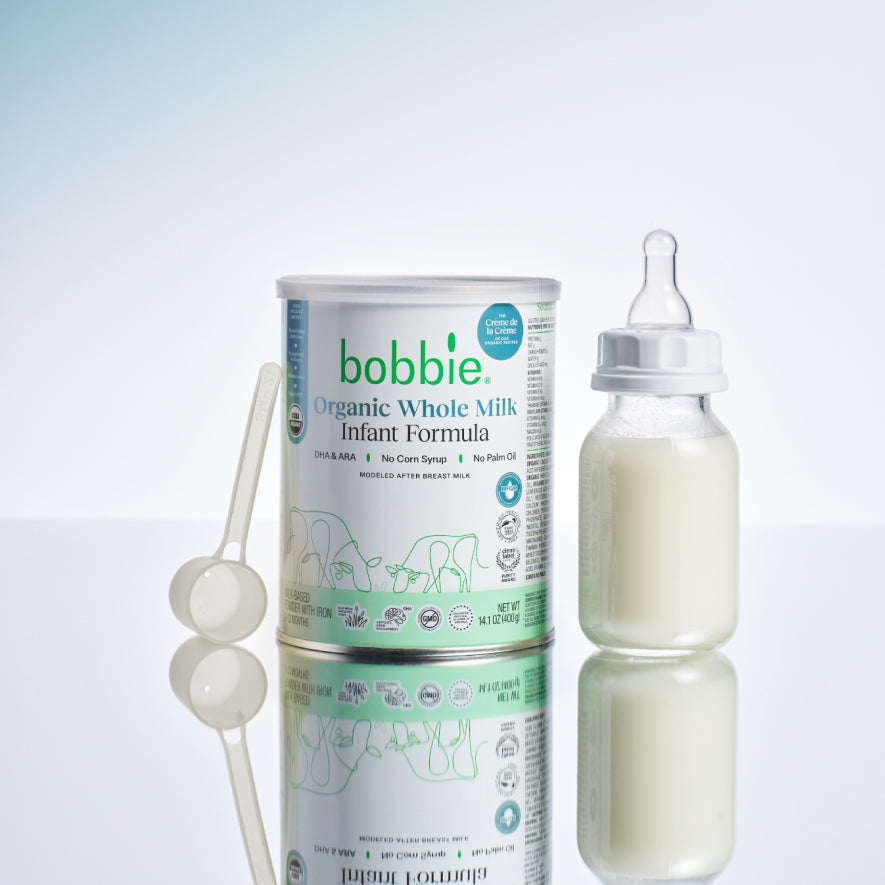
Shop Organic Whole Milk Infant Formula
Gentle Solutions for Happy Tummies
Here’s your reminder that you’re not alone. Many parents go through stretches of worrying about their baby having firmer stools, but having some issues doesn’t mean something is wrong. Babies’ digestive systems are still learning the ropes — and some firmer stools or a day or two without a poop is part of the process.
Most of the time, it takes just a few gentle tweaks to see improvement: more fluids, a fiber boost, a belly massage or a different formula.
If you're formula feeding and looking for a tummy-friendly option, consider switching to Bobbie Organic Whole Milk Infant Formula. It’s made with easy-to-digest ingredients and modeled after the composition of breast milk — because baby tummies deserve the very best start.
The content on this site is for informational purposes only and not intended to be a substitute for professional medical advice, diagnosis or treatment. Discuss any health or feeding concerns with your infant’s pediatrician. Never disregard professional medical advice or delay it based on the content on this page.