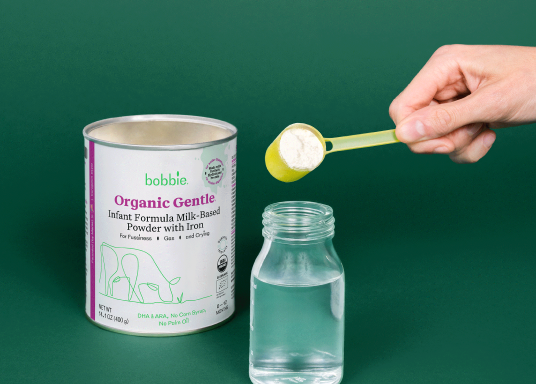


Whole Milk Formula for Babies: Benefits, Ingredients & What to Know
Published October 22, 2024
Last Updated:
Whole milk infant formula is made with whole cow’s milk rather than nonfat or skim milk as its dairy base. Because whole milk retains naturally occurring milk fat, it can contribute milk-derived fats and components such as milk fat globule membrane (MFGM) to the finished formula, alongside the added oils and nutrients needed to provide complete infant nutrition.
For parents considering whole milk formula, the important question isn’t simply whether whole milk is “better.” It’s how the complete formula is designed, including its fat blend, protein, carbohydrate source, DHA, ARA, vitamins and minerals, and whether it meets your baby’s individual feeding needs.
What is Whole Milk Baby Formula?
Whole milk baby formula is a type of infant formula that uses whole cow’s milk as its base rather than skimmed milk or plant-based alternatives, like soy. Unlike traditional infant formulas, which often use nonfat milk, whole milk infant formulas retain more of the naturally occurring milk fat that provides unique benefits to infants.
This differs from formulas that use nonfat or skim milk, where most of the natural milk fat has been removed, and a larger share of the formula’s fat comes from added oils. Whole milk formula should not be confused with regular whole cow’s milk. Infant formula is specially formulated to meet babies’ nutritional requirements, while regular cow’s milk should not be used as a replacement for breast milk or infant formula before 12 months. The inclusion of natural milk fat makes it a preferred choice for parents who want their baby's formula to include natural milk fats, similar to those found in breast milk, thus providing balanced nutrition that supports growth and development.
Bobbie's Grass-Fed Whole Milk Infant Formula is a complete nutrition recipe made with grass-fed whole milk from pasture-raised cows. It features naturally-occurring Milk Fat Globule Membrane (MFGM) from whole milk, DHA, ARA, and choline to support brain development.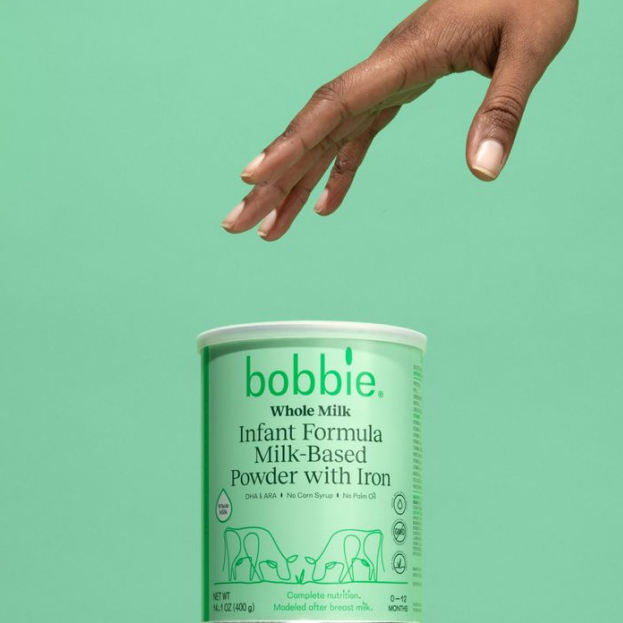
Shop Grass-fed Whole Milk Infant Formula
Is Whole Milk Formula Good for Babies?
Yes, whole milk infant formula can be an appropriate option for babies when it is commercially manufactured to meet FDA infant formula requirements and is appropriate for your baby’s individual needs. Whole milk formulas retain some naturally occurring milk fat while also including additional ingredients needed to provide complete infant nutrition.
The fact that a formula uses whole milk does not automatically make it better than other infant formulas. Parents should consider the complete nutritional profile, their baby’s tolerance and feeding needs, and any recommendations from their pediatrician.
The Benefits of Whole Milk Infant Formula
Natural Milk Fats
One of the key advantages of using whole milk is the naturally occurring milk fat that is retained in the formula. Like other sources of fat, natural milk fat is not only an important energy source but also helps in the absorption of fat-soluble vitamins like vitamin A, D, E, and K, which are essential for infants’ growth and development.
Because whole milk contains more naturally occurring fat, less vegetable oils need to be used to meet the fat requirements for infant formula.
Naturally Occurring MFGM
Whole milk is a natural source of milk fat globule membrane, or MFGM, a complex structure surrounding milk fat droplets that contains proteins and lipids. The amount retained in finished formula can vary based on the product and manufacturing process.
A Diverse Fat Profile
Milk fat contains a wide range of fatty acids. Whole milk formula combines these naturally occurring milk fats with a carefully designed oil blend to provide the fats and essential fatty acids infants need.
Vitamins and Minerals
Grass-fed whole milk contains a variety of vitamins and minerals that are important for infants. Whole milk naturally includes nutrients like calcium, magnesium, and phosphorus—all of which support bone development. Like all FDA regulated infant formulas, whole milk infant formulas include the appropriate nutrients such as vitamins A and D, to support proper growth and development.
Complete Infant Nutrition
Whole milk is only one component of whole milk infant formula. Commercial infant formulas also provide protein, carbohydrates, vitamins, minerals and essential fatty acids in amounts designed to support infant growth and development.
Comparing Whole Milk Formula to Other Types of Infant Formula
When evaluating whole milk infant formula, it's helpful to understand how it compares to other common types of infant formulas available on the market.
European Infant Formula Standards
European formulas are required to meet the European Commission Regulations for Infant Formula. Many parents turn to European formula brands because they often use whole milk as their base and focus on providing a natural and balanced nutritional profile.
Formulas with Plant-Based DHA and ARA
DHA (docosahexaenoic acid) and ARA (arachidonic acid) are long-chain polyunsaturated fatty acids that play an important role in infant brain and vision development. Sometimes, these fatty acids are sourced from fish oil; however, some formulas use plant-based DHA and ARA to cater to vegetarian or vegan families. While plant-based DHA and ARA can be beneficial, it’s important to ensure they are included in the right concentrations for optimal infant health.
Bobbie Grass-Fed Whole Milk vs. Organic Whole Milk Formula
Bobbie Organic Whole Milk and Grass-Fed Whole Milk formulas share a whole-milk foundation, but the primary difference is certification and sourcing. Organic Whole Milk carries USDA Organic certification, while Grass-Fed Whole Milk focuses on milk sourced from pasture-raised, grass-fed cows without the full organic certification.
Both provide complete infant nutrition, so the choice may come down to whether your family prioritizes USDA Organic certification, grass-fed sourcing, price or availability.
Compare Bobbie Organic Whole Milk vs. Grass-Fed Whole Milk Formula →
How Is Bobbie Whole Milk Formula Tested for Safety?
When choosing an infant formula, nutrition is only part of the picture; safety and quality testing matter, too. Bobbie conducts 2,000+ safety and quality checks per batch, including testing for pathogens and heavy metals, plus additional voluntary third-party testing. Learn more about Bobbie’s testing standards on our Formula Safety & Quality page.
Bobbie formulas have also earned third-party certification from the Clean Label Project, which evaluates products for contaminants including heavy metals and pesticides. In 2026, Consumer Reports also included Bobbie Organic Whole Milk and Grass-Fed Whole Milk among its Top Choices in its infant formula contaminant testing.
Why Choose Grass-Fed or Organic Whole Milk Infant Formula?
The popularity of grass-fed whole milk infant formula is driven by the desire for more wholesome feeding options. Let's look at some of the reasons why parents are making this choice:
A Breast Milk Inspired Fat Blend
The goal of infant formula is to provide nutrition as close to breast milk as possible. Whole milk from grass-fed cows contains natural milk fat and essential fatty acids that more closely resemble the composition of human milk than nonfat cow’s milk. The inclusion of omega-3 fatty acids like DHA from plant-based sources further bridges the gap between breast milk and formula, providing nutrients that support healthy brain and vision development.
Avoidance of Unwanted Ingredients
Parents are increasingly thoughtful about the ingredients in their baby's formula, and some prefer options made without ingredients such as corn syrup or palm oil. Bobbie's Grass-Fed Whole Milk and Organic Whole Milk formulas are both made without corn syrup or palm oil, while using naturally occurring milk fat alongside a carefully selected oil blend to provide the fats babies need.
Grass-Fed Milk
Grass-fed whole milk comes from cows whose diets emphasize pasture and grasses. For parents who care about how their baby's formula ingredients are sourced, grass-fed milk can be an important consideration.
Organic Ingredients and Standards
Choosing an organic whole milk formula adds another layer of sourcing standards. USDA Organic certification includes requirements around how ingredients are grown and produced, including standards for animal feed and the use of certain pesticides, fertilizers, antibiotics, and hormones.
Making an Informed Decision: Is Whole Milk Infant Formula Right for Your Baby?
Choosing a baby formula can be a very personal decision, often influenced by a child’s specific needs and parental preferences. Whole milk baby formula made with grass-fed milk offers several distinct properties, particularly if you're looking for a product that models the benefits of breast milk. The inclusion of more natural milk fat and a range of vitamins and minerals make it a compelling choice for parents who want to give their baby a solid nutritional foundation.
However, it’s always important to consider your baby’s unique needs and consult with a pediatrician before making any changes to your infant's diet. Some babies may have sensitivities or allergies to cow’s milk, which would make whole milk infant formula unsuitable.
Choose with Confidence
Whole milk infant formula is an excellent choice for parents seeking a formula with more naturally-occurring nutrition from milk fat for their infants. Whole milk infant formula stands out as a premium option that provides balanced nutrition similar to that of breast milk. As more parents prioritize natural and wholesome feeding options, grass-fed whole milk infant formulas are proving to be a popular choice that supports normal growth and development.
If you're considering whole milk infant formula, know that Bobbie is here for your feeding journey.
Bobbie's Grass-Fed Whole Milk Infant Formula is a complete nutrition recipe made with grass-fed whole milk from pasture-raised cows. It features naturally-occurring Milk Fat Globule Membrane (MFGM) from whole milk, DHA, ARA, and choline to support brain development.
Shop Grass-fed Whole Milk Infant Formula
The content on this site is for informational purposes only and not intended to be a substitute for professional medical advice, diagnosis or treatment. Discuss any health or feeding concerns with your infant’s pediatrician. Never disregard professional medical advice or delay it based on the content on this page.