

Whole Milk vs Skim Milk Infant Formula: Which Is Most Similar to Breast Milk?
Published October 22, 2024
Last Updated:
As a new parent, selecting the best infant formula for your baby is an important decision, and one choice you might face is between skim milk and whole milk infant formulas. While these options may seem quite different at first glance, there are similarities in terms of the essential nutrition they provide. Whole milk formula retains some naturally occurring milk fat and may contain milk components such as milk fat globule membrane, or MFGM. Skim-milk-based formula relies more heavily on added oils after much of the original milk fat has been removed.
Parents may also wonder whether one type of formula is closer to breast milk. Both skim milk and whole milk formulas are designed to provide the required nutrients established by the FDA which is modeled after breastmilk, but there are a few distinctions worth noting. Compare the complete recipe, including its carbohydrate, protein, fat blend, DHA, ARA, iron, and other nutrients, as well as how well the formula works for your baby. Here's a guide to help you understand how they compare and what makes each one unique.
What Is the Difference Between Skim Milk and Whole Milk Infant Formula?
Wondering how whole milk formula compares to skim-milk-based formula? While both can meet an infant's nutritional needs, they differ in their fat sources, ingredient composition, and naturally occurring components such as MFGM. Before you dive into the article, watch our pediatric nutrition expert explain the key differences and what parents should know when comparing formula options.
Watch: What Is Whole Milk Infant Formula? MFGM, Fat Blend, and How It Compares
The main difference between skim milk and whole milk infant formula is the source of fats. Both formula types may still contain added oils and must provide the nutrients required for infant growth.
| Feature | Whole Milk Infant Formula | Skim-Milk-Based Infant Formula |
|---|---|---|
| Milk base | Uses whole cow’s milk | Uses milk with most natural fat removed |
| Fat source | Natural milk fat plus added oils | Primarily added oils |
| MFGM | May contain naturally occurring MFGM | Usually less naturally occurring MFGM unless added |
| Essential fatty acids | Supplied by milk fat and an oil blend | Supplied primarily by an oil blend |
| Complete infant nutrition | Yes, when formulated to meet requirements | Yes, when formulated to meet requirements |
| Identical to breast milk | No | No |
Shop Bobbie Organic Whole Milk Formula
Whole milk infant formulas contain the natural milk fat found in cow's milk as well as oils in order to meet the nutrient requirements established by the FDA. Skim milk infant formulas contain oils to meet those same nutrient requirements. This oil blend is designed to meet the nutrient requirements established by the FDA for infant formula, ensuring your baby gets the necessary fat for healthy growth and brain development. However, whole milk infant formulas contain an extra naturally-occurring component from whole milk known as milk fat globule membrane (MFGM), a complex structure found in milk fat that may provide additional benefits.
Despite these differences, both infant formulas are designed to meet the FDA requirements for infant formula and support your baby’s nutritional needs, ensuring they receive the right balance of protein, carbohydrates, and fats for healthy development.
Bobbie's Grass-Fed Whole Milk Infant Formula is a complete nutrition recipe made with grass-fed whole milk from pasture-raised cows. It features naturally-occurring Milk Fat Globule Membrane (MFGM) from whole milk, DHA, ARA, and choline to support brain development.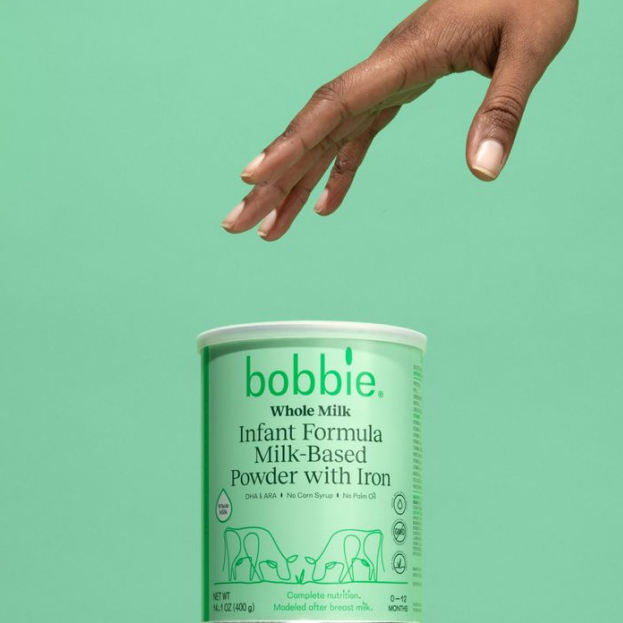
Shop Grass-fed Whole Milk Infant Formula
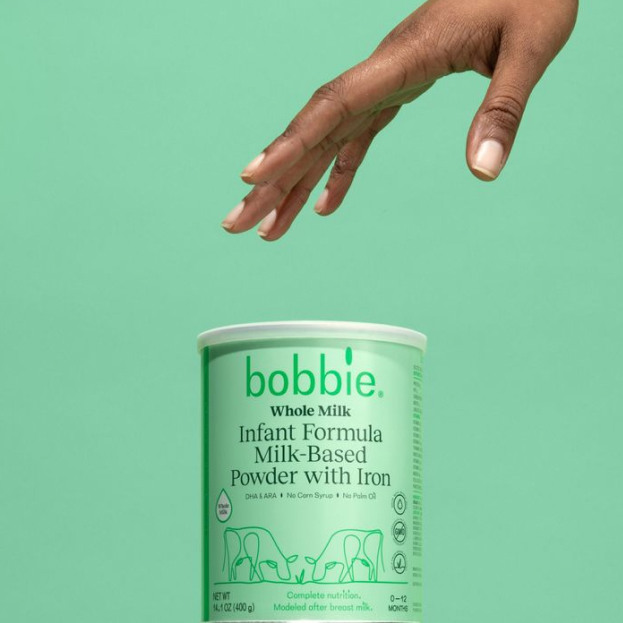
Whole Milk Infant Formula: Featuring Whole Milk, A Source of Milk Fat Globule Membrane (MFGM)
Whole milk infant formulas include the natural fat from whole cow’s milk. Importantly, whole milk contains naturally-occurring MFGM, a component of milk fat that has been linked to cognitive and immune system benefits in infants. MFGM is naturally found in breastmilk, and research has suggested that it can play a role in supporting brain development, immune health, and gut function.
Because of the presence of MFGM in whole milk, some parents choose whole milk infant formulas when they want a product that models the composition of breastmilk in terms of both fat content and additional bioactive compounds.
Is Whole Milk Formula Better for Babies?
Whole milk infant formula is not automatically better than skim-milk-based formula. Both can provide complete infant nutrition when they meet FDA requirements. Whole milk formula offers natural milk fat and may provide naturally occurring MFGM, while skim-milk formula uses a controlled oil blend to supply the fats and essential fatty acids babies need.
The best choice depends on the entire formula, your baby’s tolerance, any medical or allergy considerations, availability, and guidance from your pediatrician. Milk type is only one part of the recipe.
Key Benefits of Whole Milk Baby Formula:
- Contains whole milk, a source of naturally-occurring MFGM, which may support brain development and immune function.
- Provides a source of natural milk fat for energy and fat-soluble vitamins.
Shop Bobbie Organic Whole Milk Formula
Is Skim Milk Baby Formula Better?
Skim milk infant formulas are made from cow’s milk that has had the natural milk fat removed. To replace this, skim milk formulas use a blend of vegetable oils, which may include oils like coconut, low erucic rapeseed (canola), soybean, palm, safflower or sunflower oil, to model the fat profile of breastmilk and to meet FDA nutritional requirements for fat in infant formula. This oil blend ensures that skim milk formulas provide the necessary fatty acids, such as omega-3s (like alpha linolenic acid) and omega-6s (like linoleic acid), to support brain development and overall growth.
Skim milk infant formulas are made from cow’s milk that has had the natural milk fat removed. To replace this, skim milk formulas use a blend of vegetable oils, which may include oils like coconut, low erucic rapeseed (canola), soybean, palm, safflower or sunflower oil, to model the fat profile of breastmilk and to meet FDA nutritional requirements for fat in infant formula. This oil blend ensures that skim milk formulas provide the necessary fatty acids, such as omega-3s (like alpha linolenic acid) and omega-6s (like linoleic acid), to support brain development and overall growth.
Skim milk infant formulas are often fortified with other important fatty acids, including DHA and ARA, which play a role in cognitive and visual development. As a result, skim milk formulas can still provide excellent nutritional support for babies, offering a balance of fats, proteins, and carbohydrates that supports healthy growth.
Key Benefits of Skim Milk Infant Formula:
- Uses oil blends to provide necessary fatty acids to model breastmilk’s fat content and meet FDA nutritional requirements for fat in infant formula.


Your go-to resource for all things new baby.
Sign up to get the scoop on feeding, sleep, poop, and so much more.
By singing up for email, you are to receive marketing emails from Bobbie and can manage your email preferences or unsubscribe at anytime
What Makes an Infant Formula Similar to Breast Milk?
Infant formula manufacturers use different combinations of ingredients to provide nutrients also found in breast milk, but the source and structure of those nutrients may differ. Rather than judging a formula by one feature, consider the full composition.
Carbohydrate source
Lactose is the main carbohydrate naturally found in breast milk and is also used in many cow’s-milk-based infant formulas.
Protein
Cow’s-milk-based formulas modify the original milk protein to make the finished formula appropriate for infants. Some formulas also adjust the ratio of whey and casein or use partially hydrolyzed proteins. Cow’s milk used in formula is substantially modified; regular cow’s milk is not the same product.
Fat blend
Breast milk contains a complex mixture of fats. Whole-milk formula supplies some natural milk fat and still usually includes added oils, while skim-milk formula relies more heavily on its added oil blend.
DHA and ARA
Many infant formulas include DHA and ARA, fatty acids also found in breast milk. Their inclusion should be considered alongside the rest of the formula rather than as proof that one product is equivalent to breast milk.
MFGM
MFGM surrounds fat droplets in milk and contains lipids and proteins. Whole milk can be a natural source, although the amount retained in a finished formula can depend on the recipe and manufacturing process.
Which Infant Formula Is Closest to Breast Milk?
No infant formula is identical to breast milk, and there is no single formula officially recognized as the formula “closest to breast milk.” Breast milk is biologically dynamic and changes over time, while infant formula follows a standardized recipe designed to provide appropriate nutrition.
When comparing formulas, parents can look at the complete nutritional profile rather than relying on one “closest” ingredient. In many ways, whole milk and skim milk infant formulas are more alike than they are different. Both types of infant formula are designed to meet the same high standards established by the FDA for infant nutrition, ensuring that your baby receives the proteins, carbohydrates, fats, and micronutrients they need. Both whole milk and skim milk infant formulas are often fortified with key nutrients like DHA and ARA, which are crucial for cognitive development.
The key difference lies in how the fats are sourced and the presence of MFGM in whole milk formulas. Whole milk formulas contain natural milk fat and MFGM, while skim milk infant formulas use oil blends to replicate breastmilk’s fat composition, providing all the essential fatty acids your baby needs.
Consult Your Pediatrician
As always, consult with your pediatrician when choosing an infant formula for your baby. They can provide personalized advice based on your baby’s growth patterns, health, and nutritional needs. Whether you choose whole milk or skim milk infant formula, you can rest assured that both are excellent options designed to support your baby’s healthy development.
Whole Milk and Skim Milk Formulas Offer Similar Nutrition
Both whole milk and skim milk infant baby formulas provide the essential nutrients your baby needs to grow and thrive. While whole milk infant formulas include natural milk fat and naturally-occuring MFGM from whole milk, which may offer additional benefits, skim milk infant formulas use specially designed oil blends to mimic the fat profile of breastmilk. Ultimately, whichever option you choose, you can feel confident that both whole milk and skim milk infant formulas are designed to provide the vital nutrition your baby needs for healthy development.
Bobbie is here to support your feeding journey, whether with our Organic Infant Formula, Organic Gentle Infant Formula or Grass-fed Whole Milk Infant Formula. Feeding is a journey, and we’re here to help!
Meet the first and only USDA organic infant formula manufactured in the U.S.! Bobbie Organic Whole Milk Formula offers complete nutrition for baby's first year with our closest to breastmilk recipe.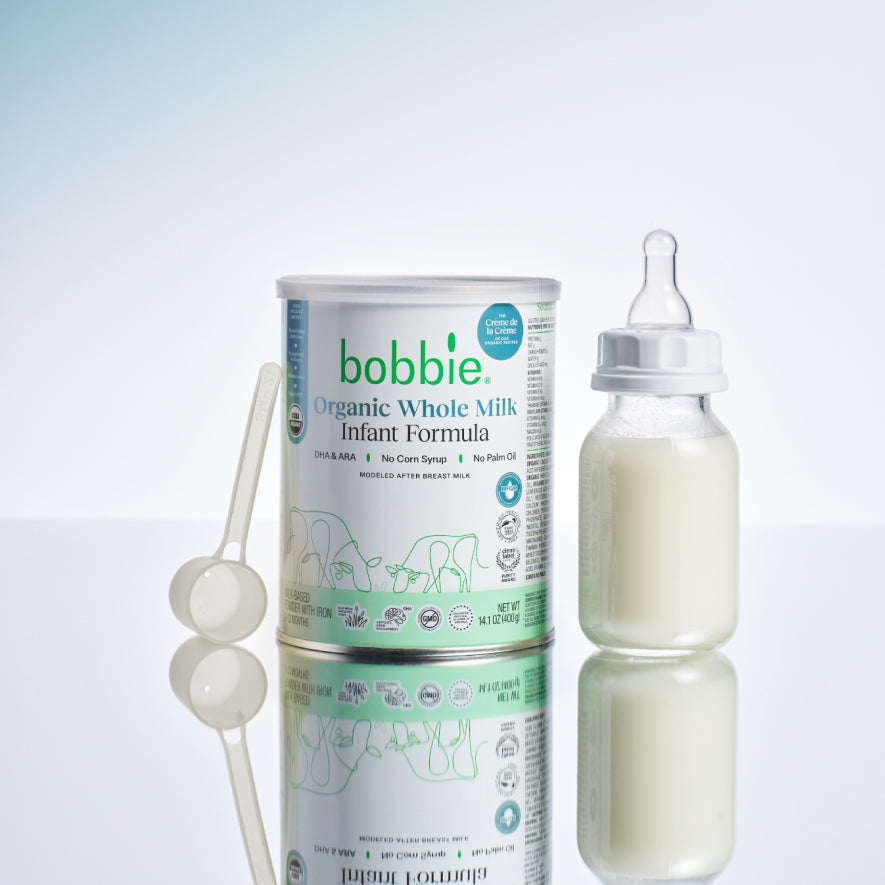
Shop Organic Whole Milk Infant Formula
The content on this site is for informational purposes only and not intended to be a substitute for professional medical advice, diagnosis or treatment. Discuss any health or feeding concerns with your infant’s pediatrician. Never disregard professional medical advice or delay it based on the content on this page.