

Published January 28, 2026

How Bobbie Sets the Standard in Infant Formula Testing
You’ve double-checked the crib, sterilized every bottle and read more parenting forums than you can count, yet one worry still lingers: Is the formula in your baby’s bottle as safe as it should be? When your infant depends on every scoop for daily nutrition, trust becomes just as important as convenience. And that trust starts with infant formula testing.
In this guide, you’ll learn how Bobbie applies rigorous quality control, prioritizes transparency and raises industry expectations so parents can feel confident about what they feed their infant — without second-guessing every sip.
Setting the Standard for Today’s Infant Formula Testing
Infant formula plays a vital role in early nutrition for millions of families, providing essential support during a critical developmental window when nutritional adequacy matters most. Parents rely on infant formula to deliver safe, consistent nutrients that help infants grow and thrive when breast milk or human milk is unavailable or insufficient. Because babies have developing immune systems, safety, transparency and rigorous testing are non-negotiable. Families deserve confidence that every ingredient, process, and finished product meets the highest standards of food safety.
Events in late 2025, including the November ByHeart formula outbreak, brought renewed attention to infant formula testing, manufacturing controls and industry oversight, reinforcing the importance of prevention over reaction. At Bobbie, infant formula testing goes beyond minimum compliance, reflecting a commitment to science-driven standards, transparent practices, and continuous improvement to better protect infants and support parents.
How Baby Formula Is Tested: From Ingredients To Finished Product
Infant formula safety relies on a multi-layered system designed to prevent risk at every stage of production. Manufacturers carry primary responsibility for ensuring that infant formula products meet strict quality, safety and nutritional standards.
Behind every bottle is a meticulous series of checkpoints that begin long before powder ever reaches a can. Below is an at-a-glance look at how reputable manufacturers put each batch through its paces from day one:
-
Supplier qualification and auditing to confirm farms and ingredient processors meet strict quality and safety standards.
-
Raw ingredient screening for identity, purity, nutrient composition and potential contaminants (such as pathogens, pesticides and heavy metals); steps that, as we outline in our guide to independent, third-party testing for heavy metals, help catch issues before production even begins.
-
Precision weighing and blending in a vertically-integrated facility that maintains tight environmental procedures to control cross-contamination.
-
Controlling of the air in processing and packaging environments.
-
Finished-product analysis that reconfirms nutrient levels, verifies the absence of dangerous bacteria and thoroughly checks for heavy metals.
-
Stability and shelf-life testing to ensure nutrients remain within target ranges through the “best by” date.
-
Final quality-assurance review before the lot is cleared for shipment to retailers or to parents.
Sign up to get the scoop on feeding, sleep, poop, and so much more. By singing up for email, you are to receive marketing emails from Bobbie and can manage your email preferences or unsubscribe at anytime

Your go-to resource for all things new baby.
A Deeper Dive Into Manufacturing Responsibility: A Preventive Approach to Safety
Manufacturing responsibility centers on effective testing designed to prevent risk before it reaches an infant. Every ingredient must meet strict food safety standards, with testing carried at all stages of production up to the final product that confirms nutritional adequacy and quality.
Effective testing focuses on both prevention and reaction. Strong systems aim to reduce the chance of contaminated formula reaching families.
FDA Oversight and Regulatory Standards
The FDA plays an important role in infant formula safety, even though manufacturers remain responsible for testing and quality control. the FDA sets and enforces safety, quality and nutrient standards under the Infant Formula Act. Through unannounced FDA inspection activities and reviews of manufacturer testing programs, the agency evaluates compliance and overall food safety performance.
At Bobbie, we meet FDA requirements adhering to our strict contaminant strategies, environmental monitoring and sanitation controls to reduce contamination risk before products reach families.
Nutrient Standards and Quality Control
Infant formula must deliver consistent nutrition that supports infant development. Testing verifies nutrient accuracy across every batch to meet established nutritional adequacy requirements. Quality control teams validate nutrient levels, monitor consistency and confirm that formulas align with infant nutrition standards (including the nutrient facts panel on the back of the can).
Organoleptic testing also plays a role. Teams evaluate color, smell, taste, feel and solubility to ensure the formula behaves as expected when mixed. These sensory attributes support feeding success and caregiver confidence.
As you can see, safety and nutrition work together. A formula must deliver the right nutrient profile while maintaining strict food safety controls throughout production.
The Future of Formula Testing and Quality Control Looks Bright
Advances in analytical science have made these evaluations even more precise and accurate. Validated methods and developments in instrumentation and technology, measure nutrients and trace contaminants at parts-per-billion levels. Laboratories use AOAC-SPIFAN protocols and Codex Type II dispute-resolution tests to ensure compliance.
By relying on harmonized, globally recognized standards, labs can compare results apples-to-apples and catch inconsistencies that older methods might miss.
Bobbie’s Approach to Ingredient and Batch Testing
Milk Drunk, a parenting content site operated by Bobbie, shares insights from pediatric nutrition expert Dr Christina Berberich,VP of Research and Development and Regulatory Affairs. Milk Drunk underscores our philosophy on formula safety and testing, further highlighting why we go beyond the basics.
Our quality program begins with sourcing. Every supplier must pass a rigorous approval process that evaluates items such as soil health, water quality and manufacturing hygiene. Once raw materials arrive (before they enter production), they’re screened for contaminants — including lead, arsenic, cadmium, mercury, pesticide residues and plasticizers.
We don’t stop there! Each finished batch is tested to reconfirm nutrient accuracy, verify the absence of Salmonella, Cronobacter and SRC (sulfite-reducing clostridia, the type of spores that can produce botulism toxin), other pathogens, and ensure heavy metals remain at non-detect or exceptionally low levels. Only after clearing these hurdles does a lot earn the green light for distribution.
Because trust grows from openness, we publish batch-specific test summaries (available for parents to search on the Bobbie website by batch number) and partner with ISO-accredited independent labs for added verification.
Understanding how infant formula is tested helps put recent formula safety discussions into context. In this video, we review Consumer Reports' testing of 41 infant formulas, explain what heavy metals are, where they come from, and what parents should know about evaluating formula safety and transparency.
Watch: Are There Heavy Metals in Baby Formula? Consumer Reports Tests 41 Formulas
What Testing Means for Parents
When Consumer Reports examined 41 powdered formulas, testing showed that heavy metals such as arsenic and lead can still appear in some baby food and formula products. By highlighting results that exceeded drinking water benchmarks, watchdog data underscores why strong testing programs matter and why brands must identify and control contaminants before formula products reach families.
Confidence Through Rigorous Testing
Parents look for reassurance that infant formula products meet consistent safety and quality standards. Bobbie’s testing approach emphasizes science, transparency and accountability across all formula products, including specialty formula options. Comprehensive testing supports reliable quality and nutrition from batch to batch, helping families feel confident in the products they choose for their infants.
Staying Informed About Recalls
Clear communication plays an essential role in food safety. Brands should share timely information about recalls, test updates, and regulatory actions. Parents can stay informed by monitoring official brand channels and FDA updates. Lot number tracing tools also help families quickly identify whether specific infant formula products are affected.
When To Consult Your Pediatrician
Parents should consult a pediatrician if an infant shows symptoms such as poor feeding, lethargy, or other concerning changes. Healthcare providers, including pediatric gastroenterology specialists when appropriate, can help guide feeding decisions and address concerns.
Sulfite-Reducing Clostridia Testing: Definition and Importance
Sulfite-Reducing Clostridia (SRC) are spore-forming bacteria, most notably certain Clostridium species, that can survive harsh processing conditions and spring back to life if given moisture, warmth, and time. C. botulinum, the bacterium that causes infant botulism, falls into this category.
Illness from SRC in infant formula is rare—clostridium bacteria is not typical for infant formula as it requires a lack of oxygen, plus sufficient moisture and warmth, which is not a common environment for infant formula manufacturing. Even so, these organisms are hardy enough to resist routine heat treatments. They can produce gas or toxins that spoil product quality or, in extreme cases, threaten an infant’s fragile immune system. Because formula is often the sole source of nutrition for months, even a low-probability hazard deserves serious attention.
What SRC Testing Entails
SRC testing serves as an internal quality screening method used during manufacturing. It detects SRC, a group of spore-forming bacteria found in the environment. This test doesn’t diagnose illness or confirm contamination. Instead, it functions as a manufacturing control that supports early detection of potential contamination risks.
Why SRC Testing Matters
SRC testing acts as an early warning system. It screens for organisms related to C. botulinum, which can produce toxins that cause infant botulism under specific conditions. As already mentioned, infant botulism remains rare, but infants face higher vulnerability due to their developing digestive systems. Monitoring for related organisms supports stronger prevention strategies across formula products.
Why Bobbie Uses SRC Testing
Bobbie added SRC testing as an extra safeguard following heightened industry awareness. This decision reflects a proactive response rather than a regulatory requirement. SRC testing goes beyond baseline expectations and strengthens manufacturing controls. It complements other food safety measures already in place.
What Parents Should Look for When Choosing Baby Formula
With so many options on store shelves, it helps to have a clear checklist of non-negotiables before placing a can in your cart. Keep the following factors top of mind:
-
Confirmation that the manufacturer voluntarily screens every ingredient and batch for heavy metals.
-
Transparent, easy-to-access batch test results so you can see real results, not just marketing claims.
-
USDA Organic certification to ensure the ingredients are grown without synthetic pesticides or bioengineered crops.
-
Clear sourcing information that traces each nutrient back to vetted farms and suppliers.
-
Independent, ISO-accredited laboratory verification of nutrient levels, microbiological safety and contaminant levels.
-
Recognition from credible third parties, such as Consumer Reports or the Clean Label Project, that benchmark products against the safest performers in the category.
Additional Tips for New Parents
Choosing baby formula involves more than ingredient lists. Parents benefit from being proactive with the evaluation processes that monitor safety practices, brand transparency and accountability.
Start with these three top tips to protect your child and support their nutrition:
-
Tip 1: Look for brands that share clear information about testing and food safety programs. Transparent communication builds trust and supports informed decision-making.
-
Tip 2: Ensure compliance with FDA standards under the Infant Formula Act. Brands should demonstrate strong FDA inspection records and validated quality systems.
-
Tip 3: Prioritize continuous education and relationship building with prominent brands. Easy access to batch-specific information supports faster response during recalls or updates.
Certifications can boost assurance. The Clean Label Project, for example, reserves its Purity Award for products that have non-detectable or appropriately low levels of contaminants like heavy metals, pesticides and plasticizers. It’s part of their commitment to exceed baseline regulatory expectations.
Bobbie Is Tried, Tested and Trusted
External voices back up the value of such diligence. This review highlights that Bobbie undergoes rigorous third-party testing for 400+ contaminants while also meeting FDA requirements and USDA organic standards!
Industry recognition like this reinforces why thorough vetting makes a tangible difference for families weighing their options.
Raising the Bar: Bobbie’s Commitment to Safer Infant Formula
Bobbie shares its testing approach openly because transparency builds trust and accountability. By clearly communicating how infant formula is evaluated, from ingredient review through final release, Bobbie helps parents understand what goes into every product and why those standards matter.
Setting a higher standard for infant formula testing means continuous evaluation, stronger preventive controls and added screening measures that go beyond minimum requirements. This focus on prevention supports safer outcomes and gives families greater confidence in the formula they choose.
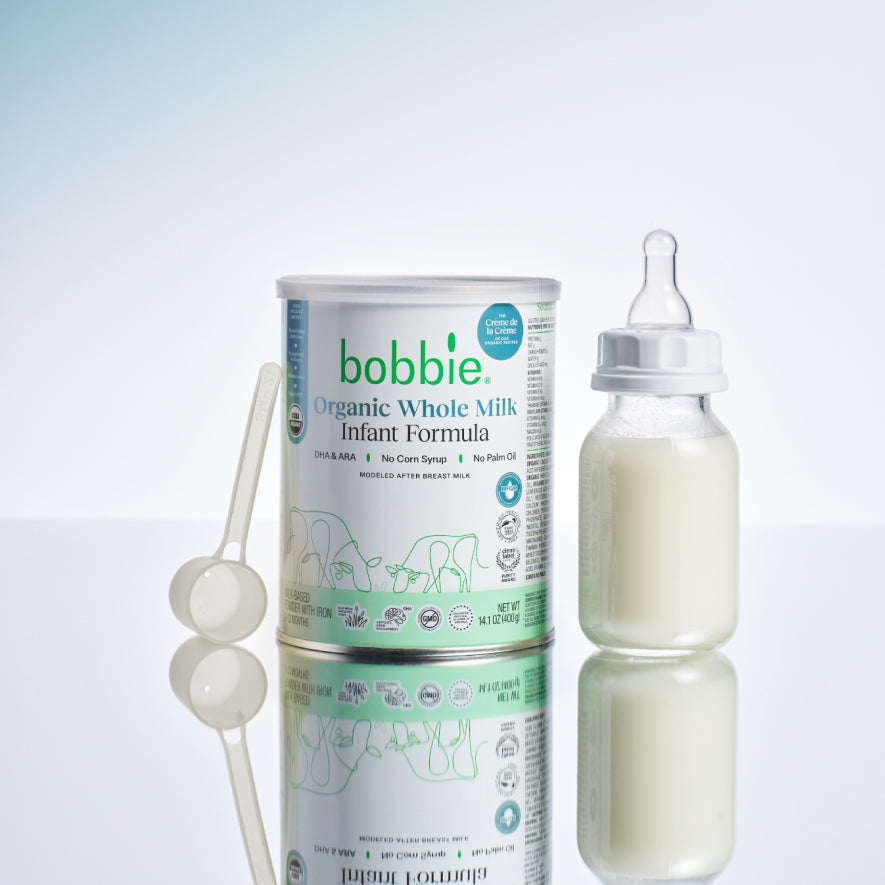
Meet the first and only USDA organic infant formula manufactured in the U.S.! Bobbie Organic Whole Milk Formula offers complete nutrition for baby's first year with our closest to breastmilk recipe.
Shop Bobbie formulas to find a solution you can trust that your little one will love!
Shop Organic Whole Milk Infant Formula
The content on this site is for informational purposes only and not intended to be a substitute for professional medical advice, diagnosis or treatment. Discuss any health or feeding concerns with your infant’s pediatrician. Never disregard professional medical advice or delay it based on the content on this page.