

Published January 14, 2026

Quick Tips on How To Travel With Baby Formula
Traveling with a formula-fed baby can feel overwhelming. Parents often worry about airport security, safe storage, temperature control, and feeding on the go. These concerns make sense, especially when routines matter so much to infants.
The good news is that preparation makes all the difference. With the right planning, tools, and travel tips, you can travel confidently with infant formula and focus more on the journey and less on logistics.
This guide explains how to travel with formula across flights and road trips and introduces Bobbie’s Hot-to-Go BottleTM as a travel-friendly solution designed to simplify feeding wherever you go.
How To Pack Formula When Traveling
Parents typically choose between powdered formula, liquid ready-to-feed formula, or already mixed prepared formula. Each option works for travel, but they all come with tradeoffs:
-
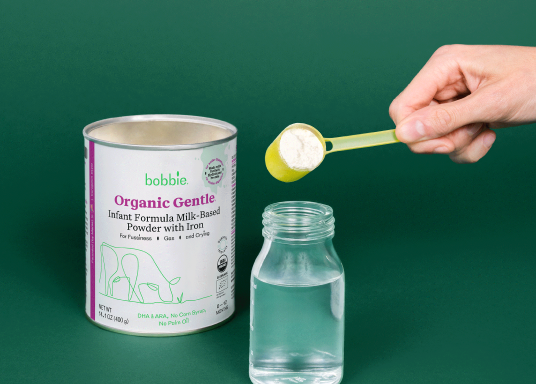
Baby formula powder takes up less space and can be transported without refrigeration.
-
Ready-to-feed and liquid concentrate formula options offer convenience but add weight and volume, and any left over must be refrigerated.
-
Prepared bottles work well for short travel windows (2 hours or less) when you can control the temperature.
If using powdered baby formula, pack it in a reliable formula dispenser or a dedicated container with compartments. These keep the measured formula powder organized. Label each container clearly so all caregivers understand when powder was packed. Labels also help when you pack breast milk, puree pouches, or multiple bottles.
Bobbie’s Hot-to-Go BottleTM fits neatly into a smart packing system. It works as a portable thermos and formula mixing bottle, making feeding faster and less messy during travel days.
Always pack more formula than you expect to need – ideally, one and a half to two times more! Delays, spills, and growth spurts happen. The extra formula offers peace of mind and prevents last-minute stress.
Tips for Traveling With Formula By Air
Air travel adds extra layers of planning, especially around airport security and bottle prep.
TSA Regulations for Carrying Formula on a Plane
TSA allows baby formula, breast milk, and water in quantities greater than standard liquid limits. These items qualify as medically necessary liquids. You can carry powdered formula, liquid formula, prepared bottles, bottled water for formula mixing, and cooled boiled water through security. Give yourself extra time to complete this step, as TSA may perform additional screening, which can include visual checks, vapor testing, swabbing, or X-ray screening.
Always declare formula, water, or breast milk at airport security. Remove these items from your diaper bag and place them in a separate bin to speed up the screening process.
Traveling Through TSA With a Sealed Liquid Ready-to-Feed Formula
Pack sealed, ready-to-feed formula in its original packaging. Place it near the top of your bag for easy access during screening. Expect TSA officers to inspect liquid formula more closely. They may request to open containers or use test strips. Opening the seal introduces the possibility of contamination, threatens the sterility of the product, and starts the clock toward expiration. While cooperation can help reduce delays, you do not have to comply with requests to open your liquid ready-to-feed formula.
To move faster, avoid overpacking liquids in one bag. Separate formula from frozen gel packs or ice pack accessories. This proactive approach to organization helps officers complete screening efficiently.
Feeding Your Baby on the Plane
Bottle feeding during takeoff and landing can help ease ear pressure. Offer your baby a prepared bottle or breastfeed during ascent and descent. Freshly prepared bottles made with powdered formula are good for up to 2 hours at room temperature. If you’re using a portion of your liquid ready-to-feed formula, keep the rest in bottles at safe temperatures mid-flight by using an insulated cool bag or cooler bag with gel packs. A frozen gel pack works well for longer flights.
The Bobbie Hot-to-Go BottleTM shines during air travel. It maintains warm water and allows quick mixing without spills. A flight attendant can also provide warm water if needed, which supports safe feeding at altitude.
Traveling by Car? Best Practices for Your Next Road Trip
A road trip gives you more control, but temperature management still matters. Never store formula in direct sunlight or near heat sources in the car. Use a cooler bag with an ice pack to store prepared formula (if your trip is longer than 2 hours) or liquid formula that’s been previously opened. Rotate bottles regularly in the cooler and monitor temperature during stops.
As you can imagine, feeding without a kitchen becomes easier with portable tools. Pre-measured powder formula and bottled water simplify on-the-go feeding.
Plan stops around your baby’s feeding schedule. Choose rest areas or safe pull-offs where you can prepare a bottle, clean your hands, and settle your baby securely in their car seat. It’s not recommended to feed your baby a bottle while the car is in motion.
Preparing Formula While on the Go
Mix bottles ahead of time when you know feeding windows, will use within 2 hours of preparation, or can keep them cool (between 35-40 degrees fahrenheit). Prepare bottles on demand when flexibility matters or when cooler storage is limited. Be sure to measure water and formula accurately every time. Use a formula dispenser to avoid guesswork and spills!
Portable bottle prep solutions, including insulated containers and mixing systems, can help reduce stress. Sterilised bottles and clean tools protect your baby’s health. The Hot-to-Go BottleTM supports quick, mess-free feeding. It stores warm water and allows direct mixing, making formula preparation easier during travel days.
The Golden Rules of Formula Feeding While Traveling
A few simple rules help keep feeding smooth, no matter where you go:
Rule 1: Always pack extra
Overpacking formula, bottles, nipples, and powder prevents frantic parents and feeding emergencies. Extra formula covers delays, unexpected feedings, and spills.
Rule 2: Use checked bags strategically
Carry essential formula, a bottle, and other feeding tools in your diaper bag. Pack backup formula, powder, and containers in checked luggage in case plans change.
Rule 3: Stay organized and use labels
Label bottles, formula containers, pump parts, and pouches. Clear labeling avoids confusion when multiple caregivers are involved in feeding your baby.
Rule 4: Plan for dirty bottle parts
Bring zip-top gallon-size bags or a plastic bag to store used, dumped, and rinsed parts. Keep them separate until proper cleaning becomes possible at your final destination.
Rule 5: Stick to your baby’s routine as much as possible
Travel disrupts schedules, but familiar feeding times help babies feel more secure. Stay flexible and patient when needed, because travel days rarely go exactly as planned.
Travel Confidently With Bobbie
We strongly believe that preparation leads to smoother travel and calmer feeding moments. When you plan ahead and use travel-friendly tools, you reduce stress for both you and your baby.
Choosing reliable feeding solutions like Bobbie formula and the Hot-to-Go BottleTM helps you manage formula milk safely across flights, road trips, and everyday family adventures.
Shop Bobbie formula and travel tools today and make your next trip a breeze for you and your little one.
The content on this site is for informational purposes only and not intended to be a substitute for professional medical advice, diagnosis or treatment. Discuss any health or feeding concerns with your infant’s pediatrician. Never disregard professional medical advice or delay it based on the content on this page.