

Published April 17, 2026

What 1,200+ Families Taught Us About Combo Feeding With Confidence
Feeding a baby is one of the most intimate, emotional, and vulnerable parts of early parenthood. It’s not just about nutrition; it’s about identity, bonding, trust and the constant feeling of wanting to do the very best for someone who depends on you for everything. Long before parents worry about milestones, schedules, or sleep training, they’re already carrying the weight of feeding decisions.
At Bobbie, we believe parents deserve support and flexibility — not pressure or judgment. That’s why we asked over 1,200 parents and customers to share their experiences with combo feeding. Their answers tell a story of resilience and the confidence that comes from having options.
Dive in to see what real parents shared about their combo feeding journeys.
What Is Combination Feeding?
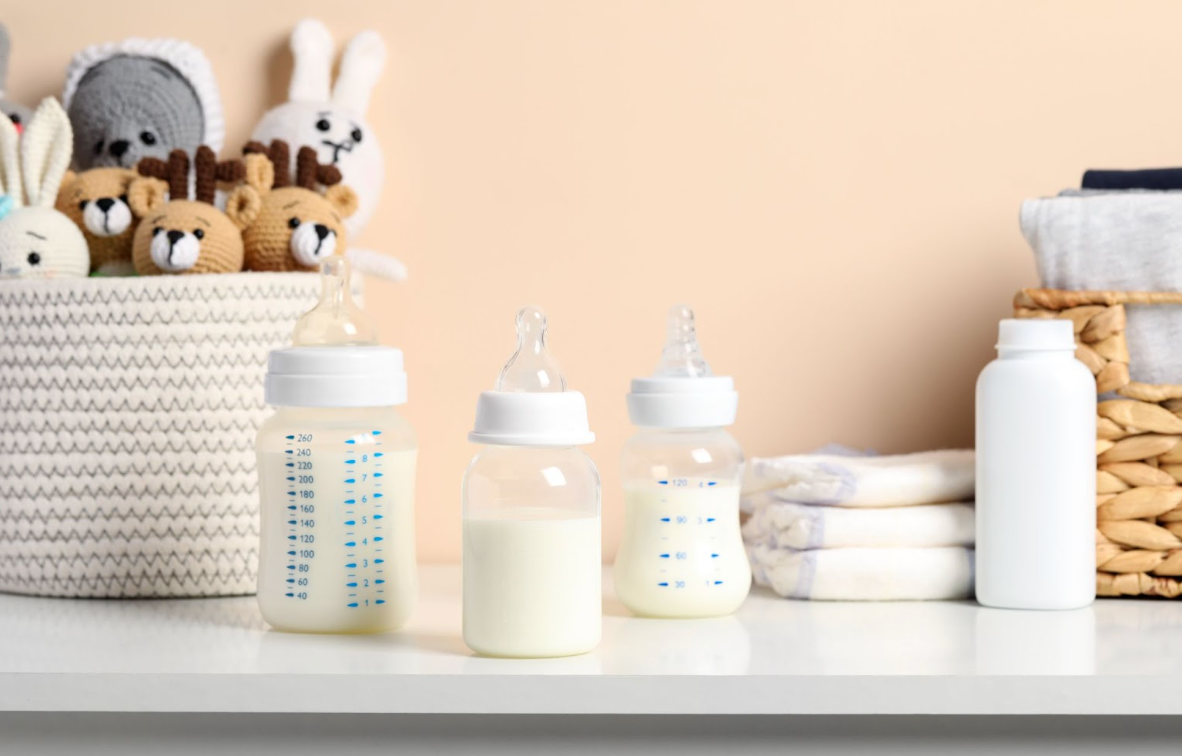
Combo feeding simply means offering your baby both breast milk and infant formula; sometimes in the same day, sometimes in the same bottle and often in whatever pattern fits your family’s reality. There’s no perfect schedule or ratio for how much of each you use or when. And however you blend feeding options, the goal is the same: making sure your baby is nourished and you feel supported.
Feeding isn’t theoretical — it’s real life. It’s happening day by day, sometimes hour by hour, in between nap schedules, work meetings, changing milk supply, medical needs and your own needs. That’s why so many families find that mixing milk sources offers a practical, sustainable path forward.

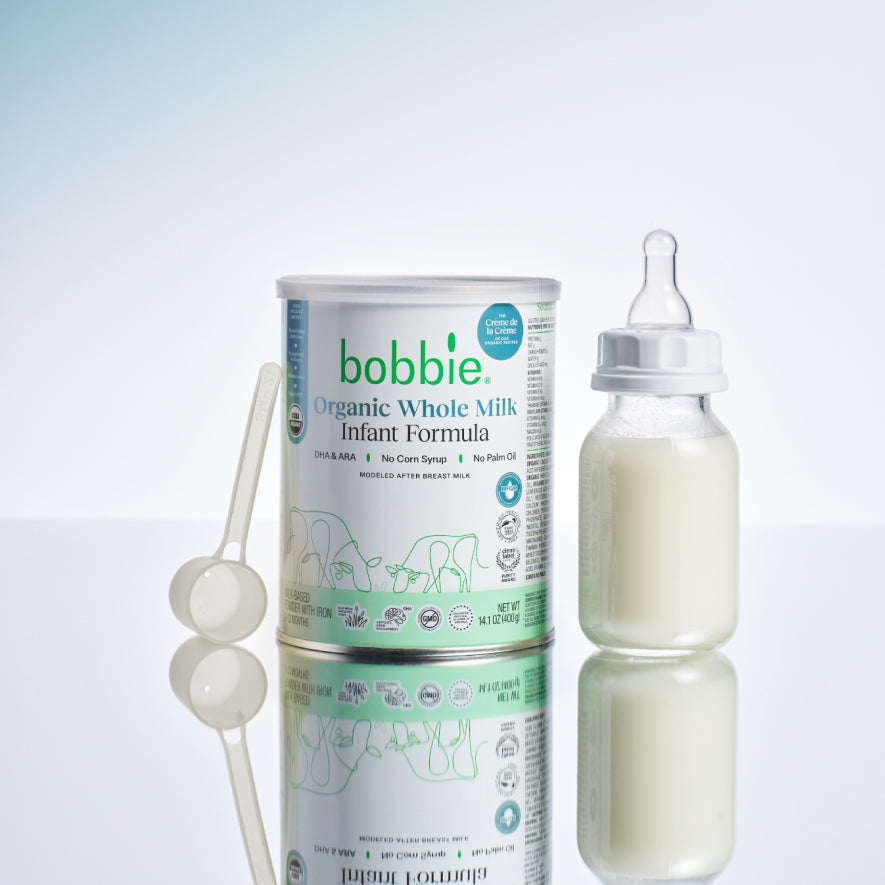
Shop Organic Whole Milk Infant Formula
Meet the first and only USDA organic infant formula manufactured in the U.S.! Bobbie Organic Whole Milk Formula offers complete nutrition for baby's first year with our closest to breastmilk recipe.
Shop Organic Whole Milk Formula
Shop Now
Shop Organic Whole Milk Infant Formula
Meet the first and only USDA organic infant formula manufactured in the U.S.! Bobbie Organic Whole Milk Formula offers complete nutrition for baby's first year with our closest to breastmilk recipe.
Why Combo Feeding Works for Real Families
Some of the most common reasons parents choose to mix breast milk and formula include:
-
Low or fluctuating milk supply: Parents may worry whether their baby is getting enough milk, and returning to work with limited pumping time can make exclusive breastfeeding challenging.
-
Sharing feeding duties: Partners, grandparents or other caregivers can step in, giving parents a much-needed break and more support.
-
Medical considerations: Prematurity, latch difficulties, or medication contraindications can make exclusive breastfeeding tricky.
-
Longer stretches of sleep: Formula at night can let one caregiver rest while the other feeds.
-
Flexibility for busy days or travel: Some parents find that mixing feeds can make outings, social events, or travel less stressful without needing to find a pumping or nursing space.
-
Protecting mental health: Reduces the “all on me” pressure that may come with exclusive breastfeeding.
Choosing a combination of feeding options (and changing that mix over time) isn’t a sign of indecision. It simply means you’re paying attention to your baby’s cues, your body and your life. It’s a thoughtful, loving way to build a feeding journey that actually works for your family.
The Real Story of Combo Feeding, Told by 1,200+ Parents
To understand what combo feeding really looks like, we went straight to the people living it every day. We asked more than 1,200 parents to share their combo feeding journeys. Here are six lessons we learned:
1. Combo Feeding Isn’t Rare — It’s the Reality for Most Families
One of the clearest messages from the survey is simple but powerful: Combo feeding isn’t the exception but the norm. Out of 1,244 parents surveyed, 1,090 said they had combo-fed their baby at some point (nearly 90% of respondents).
This matters because combo feeding is often framed as something parents turn to only when breastfeeding “doesn't work out.” As if it’s a backup plan or a last resort. But the data tells a very different story. For most families, feeding journeys aren’t linear or predictable; they evolve as life does:
-
Babies grow, and their needs change
-
Breastmilk supply fluctuates
-
Bodies heal at different speeds
-
Mental health shifts
-
Work responsibilities return
-
Support systems look different in every household
When the feeding plan that felt clear during pregnancy meets the realities of postpartum life, something has to adapt. Combo feeding is a flexible, responsive solution that reflects modern parenthood. Feeding becomes less about sticking to a single ideal and more about creating something that actually works in real life.
2. Many Parents Don’t Even Know Combo Feeding Is an Option
Another powerful insight from the survey is how many parents entered parenthood without knowing there was a term for what they would eventually practice. When asked whether they knew what combo feeding was before having their baby, over a third of respondents (i.e., 381 out of 1,090) said they didn’t.
That lack of awareness matters more than it might seem. When parents don’t know their options, feeding decisions often feel rigid and binary. The choices may feel like it's:
-
Breastfeed or formula feed
-
Nurse or bottle
-
Exclusive or nothing
-
Success or failure
There’s very little room in that framing for nuance, balance or adaptation. And when something doesn’t go according to plan, parents often internalize it as personal failure.
Without education, parents may feel trapped in unrealistic expectations or experience unnecessary guilt when their feeding journey doesn’t match the plan they imagined. They may feel like something is “wrong” when, in reality, their experience is incredibly common.
Language creates permission. When parents understand that combo feeding is not only real but also normal, it reframes the entire experience. It transforms feeding from a pass/fail system into a spectrum of valid choices — ones rooted in sustainability instead of pressure.
3. Knowing the Term Isn’t the Same as Knowing How It Works
The survey also showed that awareness doesn’t always equal understanding: More than 50% of parent respondents said they didn't know how to combo feed before having a baby.
That gap is where so much anxiety lives. Parents are left holding questions that don’t always have clear answers:
-
How do I balance nursing and bottles?
-
How do I introduce baby formula safely?
-
Can I still breastfeed long-term?
-
What does a “combo feeding schedule” even look like?
-
How do I know if I’m doing it right?
Without guidance, combo feeding can feel complicated, fragile and overwhelming — like one wrong move could derail everything. Parents often feel they’re “experimenting” on their own, without structure or support.
But in reality, combo feeding isn’t a single method or rigid structure. It’s a flexible framework that adapts to each family’s needs. Some parents supplement occasionally or split feeds evenly. Others use formula at night or choose to pump and supplement. And these patterns can shift, even weekly, as life changes.
Remember, combo feeding isn’t about rules; it’s about responsiveness.
4. Combo Feeding Doesn't Always End Breastfeeding
One of the most meaningful findings from the survey challenges a deeply rooted myth in infant feeding: that introducing formula signals the start of the end of breastfeeding. But when Bobbie parents were asked whether combo feeding helped them breastfeed longer, nearly three out of four said yes.
This means, for many families, combo feeding helps to make extended breastfeeding possible. It can reduce exhaustion, prevent burnout and create breathing room. Combo feeding also allows partners and caregivers to share the load, which can protect parents’ mental health and make feeding feel less overwhelming.
This can help turn breastfeeding from a constant demand into a supported practice; one that can exist alongside rest, support and shared responsibility.
5. The Emotional Relief Is Just as Important as the Practical Support
Feeding pressure and the mental load that comes with it are real, and this pressure doesn’t come from one place. It’s a result of:
-
Internal expectations
-
Cultural narratives
-
Social media comparison
-
Fear of judgment
-
Fear of failure
-
The deep desire to do everything “right”
However, for most parents in the survey, combo feeding changed how they felt. More than 80% of respondents said combo feeding helped relieve stress or pressure in their feeding journey. That’s not just a small improvement. It’s an emotional shift that reshapes the entire early parenting experience.
Combo feeding often removes the feeling that everything rests on one person, body or method. It creates safety nets and emotional breathing room, so feeding feels less like a high-pressure performance and more like a supported system.
6. Feeding Is Emotional, and Combo Feeding Changed How Parents Felt
Parents didn’t just report practical benefits from combo feeding. They described emotional shifts. Out of 1,089 responses, parents reported:
-
It improved their mental health (557 respondents)
-
It felt like the “best of both worlds” (551 respondents)
-
Reduced guilt or shame (427 respondents)
-
Increased confidence (313 respondents)
-
Feeling empowered (169 respondents)
Feeding is deeply tied to identity. It often shapes how parents see themselves and how they experience success and failure. When feeding feels supported instead of scrutinized, parents don’t just function better — they feel safer, steadier and more capable. And that matters for babies, too.
Sign up to get the scoop on feeding, sleep, poop, and so much more. By singing up for email, you are to receive marketing emails from Bobbie and can manage your email preferences or unsubscribe at anytime

Your go-to resource for all things new baby.
How Bobbie Supports Combo Feeding Parents
At Bobbie, we know there’s no one right way to feed a baby and that every family’s journey is unique. That’s why our approach is built around flexibility, support and trust, helping parents feel confident no matter how they choose to nourish their little one.
For parents who combo feed, Bobbie makes feeding simpler and more reassuring. Our Organic Infant Formula is thoughtfully crafted with premium ingredients to mirror the natural profile of breast milk and meet strict EU nutritional standards. Packed with essential nutrients like DHA, iron and organic whey protein, it supports healthy growth and brain development.
With Bobbie, parents can confidently combine breast milk and formula, knowing their baby is getting the nourishment they need.
Beyond formula, Bobbie U and The Feeding Room give parents access to live lactation guidance, expert-led sessions, and a wealth of practical, no-judgment resources. From boobie to bottle, we're here to help parents feel confident and supported at every stage of their feeding journey.
Combo Feeding FAQs
How do I start combo feeding?
Start slowly by adding one bottle of formula to your routine, or try a few feeds per week. Pay attention to your baby’s cues and adjust as needed (there’s no perfect schedule). The goal with combo feeding is a mix that feels comfortable for both you and your baby.
Can I combo feed if I’m pumping instead of nursing?
Yes! Pumped breast milk works just like nursing. Feed expressed milk when possible and supplement with formula as needed. This helps maintain supply and gives caregivers flexibility.
Can I mix breast milk and formula in the same bottle?
Yes, you can combine freshly expressed or properly thawed breast milk with prepared formula for convenience, but feed it immediately. Don’t store a mixed bottle for later.
How do I store breast milk and formula safely for combo feeding?
Breast milk can be refrigerated for up to four days or frozen for longer storage. Prepared formula should generally be used within 24 hours in the fridge and never left at room temperature for more than two hours. Always follow safe handling guidelines.
Can I adjust the mix of breast milk and formula over time?
Yes! Adjust ratios as your baby grows, your supply changes or your schedule shifts. Combo feeding is about flexibility, so feel free to adapt as life changes. The “right” mix is the one that keeps your baby nourished and your family supported.
What do I need to combo feed successfully?
Knowing what tools to have on hand can make combo feeding a breeze. Here’s a list of 8 must-have products to help you offer both breast milk and formula without additional stress.
Embracing Combo Feeding With Confidence
These stories and insights from parents make one thing clear: combo feeding isn’t a backup plan — it’s a real, flexible and effective way to feed your baby while caring for yourself. Parents are discovering that mixing breast milk and formula can reduce stress, support mental health, sustain breastfeeding and create a feeding journey that actually fits their life.
At Bobbie, we’re proud to support families in every stage of their feeding journey with clean, high-quality Organic Infant Formula, made to meet strict EU standards and mimic the natural profile of breast milk. Combo feeding with a trusted formula helps ensure your little one gets the best for their development while giving you peace of mind — and that’s a win for the whole family!
Ready to start your combo feeding journey? Shop Bobbie Organic Infant Formula and find the flexible feeding options that work for you and your baby.
The content on this site is for informational purposes only and not intended to be a substitute for professional medical advice, diagnosis or treatment. Discuss any health or feeding concerns with your infant’s pediatrician. Never disregard professional medical advice or delay it based on the content on this page.