

Published February 26, 2026

Where Is Baby Formula Made? What Parents Should Know
Where is baby formula manufactured, and why does it matter?
It’s a question more parents are asking, especially after the baby formula shortage highlighted how fragile supply chains can be. This isn’t about panic or perfection; it’s about understanding where your baby’s bottle begins, what standards it’s held to and how manufacturing location can influence safety, transparency and reliability.
Whether your baby is fed breast milk, infant formula or a combination of both, what matters most is that they’re getting complete nutrition in a way that works for your family. This guide breaks down how baby formula is made, where it comes from and what parents can look for when choosing a formula with confidence.
Where Is Baby Formula Manufactured?
The short answer: all over the world. Infant formula is produced in the United States, across Europe, in Australia and throughout Asia, but what matters most isn’t the country on the label — it’s the regulatory standards behind it.
Globally, the infant formula market was valued at 87.75$ billion in 2025 and is projected to surpass 200$ billion by 2034, reflecting how many families worldwide rely on formula as a core source of infant nutrition.
In the United States
Many of the baby formula brands sold in the U.S. are made domestically. That’s because the U.S. has strict rules around infant nutrition, food safety, labeling and manufacturing practices that are all regulated by the Food and Drug Administration (FDA). In 2022, the FDA introduced an enforcement discretion policy that allowed certain foreign formulas to be evaluated and imported on a case-by-case basis. These formulas had to demonstrate:
-
Equivalent nutrient profiles
-
Safe manufacturing practices
-
Robust quality testing
-
Clear labeling for U.S. parents
Some non-U.S. infant formula brands currently sold in the U.S. under FDA authorization include:
-
Kendamil (UK): Organic and standard whole-milk formulas
-
Bubs Australia: Cow and goat milk formulas
-
Aptamil (EU): Select Danone products
-
Nestlé NAN: Certain approved products
It’s important to note that not all European formula sold online meets U.S. standards, especially when purchased through third-party sellers. Imported formula sold outside FDA oversight may not comply with U.S. safety or labeling requirements.
Meet the first and only USDA organic infant formula manufactured in the U.S.! Bobbie Organic Whole Milk Formula offers complete nutrition for baby's first year with our closest to breastmilk recipe.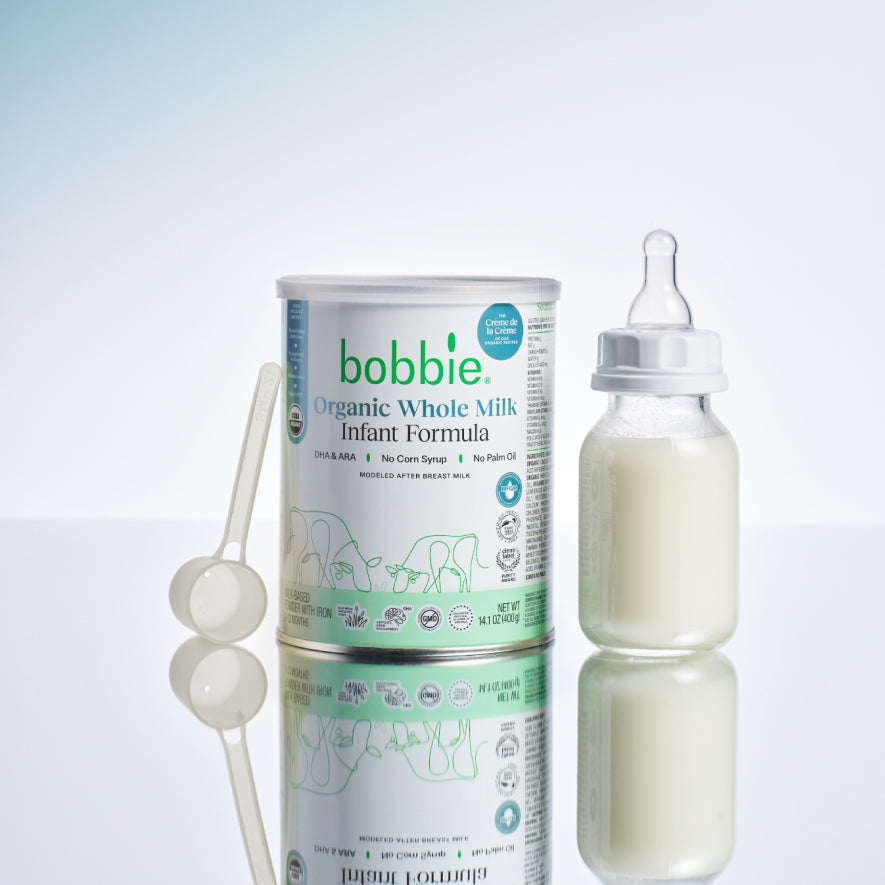
Shop Organic Whole Milk Infant Formula
Globally
The infant formula industry is a truly global market. While production happens in many countries, a few regions play an especially important role in global supply chains:
-
The European Union is a major exporter, making it a key player in worldwide distribution
-
Major production hubs include the Netherlands, France and Ireland
-
China represents the largest consumer market and is also a significant producer
-
The Asia-Pacific region holds the largest share of the global market overall
Globally, infant formula is sold in three primary formats:
-
Powdered infant formula (the most common)
-
Concentrated liquid
-
Ready-to-feed
Each country also has its own regulatory system. Some follow the Codex Alimentarius standards (international guidelines), while others, like the United States, enforce national requirements that are often stricter.
How Infant Formula Is Made
While ingredients and recipes vary, most formula manufacturers follow a similar production process.
For powdered formula, it typically looks like this:
-
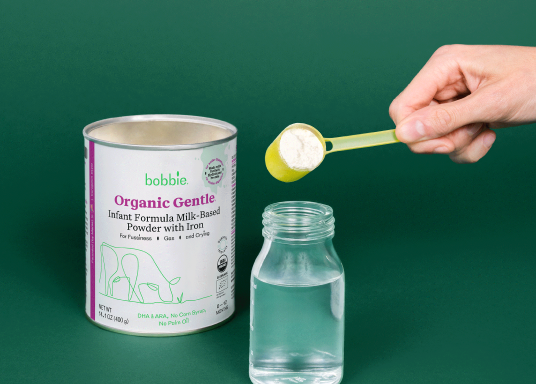
Ingredient selection: Proteins (often cow’s milk or plant-based), carbohydrates, fats, vitamins and minerals
-
Blending and heat treatment: Ingredients are combined and pasteurized for safety
-
Spray-drying: Liquid formula is dried into a powdered formula
-
Hermetically sealed packaging: Sealed in controlled environments
-
Finished-product testing: Every batch is tested before release
Common ingredients in milk formula include lactose, vegetable oils, vitamins, minerals and protein sources derived from cow’s milk or soy. The exact formula depends on whether the product is standard, an organic formula or a specialty formula designed for specific dietary needs.
In the U.S., infant formula must meet 30 required nutrients, including minimum levels for all and maximum levels for ten. Manufacturers must also test every batch for pathogens like Salmonella and Cronobacter, which are especially important in powdered infant formula.
Why Manufacturing Location Matters
Where infant formula is made isn’t just a technical detail — it can shape how rigorously it’s regulated, how transparently it’s tested and how reliably it reaches families. In practical terms, manufacturing location influences a few key areas parents care most about:
Safety and Oversight
In the U.S., formula makers must notify the FDA before marketing a new product. While the FDA does not “approve” infant formula, it enforces strict standards for:
-
Nutrition content
-
Protein viability and growth requirements
-
Sanitation practices
-
Water quality
-
Labeling and instructions
-
Environmental monitoring
Imported formulas sold legally in the U.S. must meet these same requirements. Formulas purchased from unofficial third-party websites, however, may not comply with U.S. standards, which is why sourcing matters.
Reliability and Resilience (What 2022 Taught Us)
The infant formula shortage revealed how vulnerable the supply system had become. At its peak, out-of-stock rates reached nearly 74% nationwide. The causes were intertwined and included:
-
A major manufacturing plant shutdown
-
Highly concentrated production
-
Lean supply chains
-
Limited import flexibility
Today, more than 80% of the U.S. infant formula market is controlled by just three companies, including Abbott Nutrition, Mead Johnson Nutrition, and Perrigo Company. When one facility experiences disruption, millions of families feel the impact.
Policy and Pricing
Programs like WIC (The Special Supplemental Nutrition Program for Women, Infants and Children) serve about 41% of U.S. infants and account for over half of formula consumption. While WIC contracts help lower costs for families, they can also amplify shortages when a single supplier is disrupted.
International trade also plays a role. Proposed tariffs on European imports could raise prices and limit access to certain specialty formulas, further highlighting the value of domestic manufacturing.
The U.S. Regulatory Landscape
When a formula is made in the United States, it must meet some of the highest standards in the world.
This includes:
-
30 required nutrients for complete infant nutrition
-
Mandatory testing for Cronobacter and Salmonella
-
Use of EPA-standard water in production
-
Annual unannounced FDA inspections
-
Clear labeling with preparation instructions and pictograms
The Infant Formula Act also requires formulas to be nutritionally complete for infants under 12 months, unlike toddler milk, follow-on formula or toddler drinks, which are not regulated the same way.
For families, the FDA recommends:
-
Never making homemade formula
-
Never diluting formula
-
Avoiding evaporated milk formula recipes
-
Not using toddler drinks as infant substitutes
-
Consulting a pediatrician before switching formula types
Bobbie’s Commitment to U.S. Manufacturing
At Bobbie, we’re proud to be a formula maker producing organic infant formula in the United States under the FDA framework.
But we don’t stop at meeting the minimum requirements.
Every batch of Bobbie formula goes through 2,000+ quality and safety checks, and we receive independent third-party certifications through the Clean Label Project.
Why that matters:
-
Higher transparency
-
Shorter supply chains
-
Faster time from batch to shelf
-
Greater resilience during shortages
Domestic production also supports American jobs and local supply partners, and helps reduce reliance on long international shipping routes. Most importantly, it reflects Bobbie’s core belief: parents deserve formula that’s held to high standards and made with radical transparency.
How To Choose a Formula
Choosing a formula doesn’t need to be overwhelming. A few practical checks can help you narrow down what’s right for your baby.
1. Make Sure It’s Intended for Infants
Look for infant formula specifically designed for babies under 12 months. Toddler formula and toddler drinks are not regulated for infant nutrition.
2. Choose the Right Protein Base
Most babies do well on cow’s milk-based formula. Others may need goat’s milk, soy or a specialty formula, such as extensively hydrolyzed or amino-acid-based (with pediatric guidance).
3. Pick a Format You Can Prep Safely
Powdered formula, concentrated liquid and ready-to-feed are all safe when prepared correctly. Follow the label exactly and store the opened formula properly.
4. Check Storage and Use-By Dates
Once opened, most powdered formulas should be used within 30 days. Always discard prepared formula after feeding.
5. Avoid Risky Substitutes
Homemade recipes, diluted formula, evaporated milk and toddler drinks are not safe for infants.
6. If Switching, Monitor Symptoms
Call your pediatrician if you notice projectile vomiting, widespread rash, blood or excessive mucus in stool, poor weight gain or persistent inconsolability.
Sign up to get the scoop on feeding, sleep, poop, and so much more. By singing up for email, you are to receive marketing emails from Bobbie and can manage your email preferences or unsubscribe at anytime

Your go-to resource for all things new baby.
Confidence Starts With What’s in the Bottle
So, where is baby formula manufactured?
The answer spans the globe, but the standards it’s held to are what truly matter.
Choosing a formula made under strong regulatory oversight helps support safety, transparency and reliability. Choosing Bobbie means U.S.-made quality under a parent-first, safety-focused process, so you can spend less time worrying about supply chains and more time focusing on cuddles, milestones and the everyday magic of feeding your baby.
See the difference today. Shop Bobbie
The content on this site is for informational purposes only and not intended to be a substitute for professional medical advice, diagnosis or treatment. Discuss any health or feeding concerns with your infant’s pediatrician. Never disregard professional medical advice or delay it based on the content on this page.