

Bobbie Versus Similac Baby Formula Comparison
Published May 29, 2026
If you’re comparing Bobbie and Similac, chances are you’re deep in the “open 14 tabs while holding a baby” stage of parenting.
Bobbie and Similac are both popular infant formula brands, but they’re designed a little differently. Bobbie focuses on premium, European-style recipes made for U.S. families,1 with intentionally simple ingredient profiles and subscription convenience. Similac is one of the most widely recognized formula brands in the country, with a broad lineup of formulas many parents already know from hospitals and store shelves.
A lot of parents end up here wondering:
-
Do ingredient differences really matter?
-
Which brand will my baby tolerate better?
-
Is it better for a brand to have a smaller lineup or more formula options?
-
How much should convenience and availability factor into the decision?
There isn’t one universally “better” formula. The best choice depends on your baby, your feeding priorities, and what works for your family in real life.
This guide breaks down the biggest differences between Bobbie and Similac in a clear, balanced, parent-friendly way.
CTA: Shop Bobbie (collection page link)
Bobbie vs. Similac at a Glance
|
Feature |
Bobbie |
Similac |
|
Manufactured In |
United States2 |
Largely the United States3 |
|
FDA-Reviewed for U.S. Market |
Yes4 |
Yes5 |
|
Formula Style |
European-inspired recipes that meet all FDA infant formula requirements |
Traditional U.S. infant formula brand with a broad product variety |
|
Organic Options |
Yes7 |
Yes8 |
|
Whole Milk Ingredient |
Some formulas9 |
No |
|
Palm Oil |
No palm oil10 |
No palm oil11 |
|
Main Carbohydrate |
Lactose12 |
Varies by formula13 |
|
Added Prebiotics/Probiotics |
No added pre/probiotics14 |
Prebiotics in most formulas15 |
|
Purchase Options |
Subscription + retail |
Grocery stores, pharmacies, big-box retailers, and online |
|
Product Stages |
Infant formula lineup with nonfat milk, whole milk, and partially-hydrolyzed protein options |
Multiple formula types plus specialty and medical formulas |
|
WIC Eligibility |
No16 |
Yes - the standard WIC-contract formula in many states17 |
CTA: Shop Bobbie Organic Whole Milk Formula
For some families, formula choice isn’t only about ingredients, but also about accessibility and cost.
Similac is the standard WIC-contract infant formula in many states, while Bobbie is not currently WIC-eligible. That practical difference may make the decision much more straightforward for families that rely on WIC benefits or prefer a formula that's widely available at retail. Bobbie, like Similac, can be purchased with EBT where eligible18 and is available through a growing network of retailers, as well as Bobbie's subscription service.
To find Bobbie in a store near you, or via an online retailer, please visit our Store Locator.
What’s the Difference Between Bobbie and Similac?
The biggest difference between Bobbie and Similac comes down to how each brand approaches formula feeding.
Bobbie keeps things intentionally simple. The formula lineup is smaller, the ingredient approach is modeled after classic recipes, and the overall experience is designed to feel easier to navigate — especially for parents who don’t want to spend hours decoding dozens of formula options.
Similac takes a broader approach, with a large range of formulas designed for different feeding preferences and sensitivities.19 For some families, having more options feels reassuring. For others, it can feel a little overwhelming.
The everyday experience can feel different, too. Bobbie is built around subscription convenience and a more modern, parent-focused brand experience, while Similac is widely available in stores, hospitals, and pharmacies across the U.S.
Bobbie is built around:
-
Subscription ordering with a 10% discount
-
Streamlined formula lineup
-
Ingredient-conscious positioning
-
A simplified approach to formula feeding
Similac is built around:
-
Broad accessibility
-
Multiple formula formats and types, with specialized formula variety
-
Retail convenience
-
Accessibility (price and WIC coverage)
Some parents love having lots of formula options, while others prefer not having to sort through dozens of different product names while already exhausted with a newborn.
Neither approach is wrong — it just depends on what feels manageable and reassuring for your family.
CTA: Shop Bobbie (Collection Page Link)
Bobbie Organic Gentle vs. Similac 360 Total Care Gentle Comfort
This is one of the most common direct product comparisons parents make when looking for a gentler feeding option.
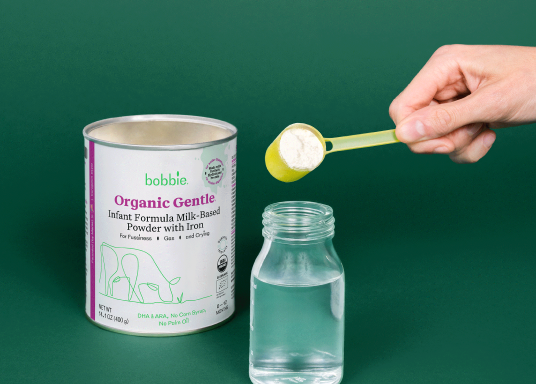
Bobbie Organic Gentle Infant Formula
Bobbie Organic Gentle is designed with:
-
Partially hydrolyzed whey proteins
-
Lactose as the sole carbohydrate source
-
Organic ingredients20
-
An intentionally simple ingredient profile
Parents often explore gentle formulas when their baby experiences gas or fussiness.
Similac 360 Total Care Gentle Comfort Infant Formula
Similac Gentle Comfort is also designed for babies who may benefit from a gentler formula experience.
It includes:
-
Partially broken-down whey proteins
-
Carbohydrate blend, including corn maltodextrin and sugar (sucrose)21
-
A formula structure designed to support easier digestion for some infants
What Parents Often Compare
One of the biggest differences between these formulas is how they approach carbohydrates.
Bobbie Organic Gentle keeps lactose as its exclusive carbohydrate source, while Similac Gentle Comfort uses a different carbohydrate blend.
For some parents, that matters because lactose is the primary carbohydrate naturally found in breast milk. Other parents are mostly focused on one thing: which formula their baby seems happiest and most comfortable drinking.
Formula comparisons can be helpful, but babies don’t read ingredient lists. Two babies can respond differently to the same formula. That’s why the best formula is usually less about finding the perfect label and more about finding the formula that works well for your baby and feels manageable for your family.
If feeding concerns feel persistent or stressful, your pediatrician can help you decide whether it makes sense to explore a formula change.
Bobbie Organic Whole Milk vs. Similac 360 Total Care
This comparison usually comes down to how parents think about everyday formula feeding.
Bobbie Organic Whole Milk Infant Formula
Bobbie Organic Whole Milk emphasizes:
-
Whole milk base
-
100% lactose for carbohydrates
-
No palm oil
-
A European-style recipe
-
Intentionally simple formulation
-
USDA organic certification22
Many parents drawn to Bobbie appreciate the brand’s more modern, ingredient-conscious approach.
Similac 360 Total Care Infant Formula
Similac 360 Total Care is designed as a comprehensive everyday infant formula and is often chosen because of:
-
Broad availability/extensive retail access
-
Brand familiarity
-
Proprietary blend of 5 HMO prebiotics
-
Hospital recognition23
-
Mainstream convenience
Comparing the Overall Experience
For a lot of families, this comparison is about figuring out what feels most realistic and supportive in everyday life.
Some parents love the idea of:
-
Subscription deliveries showing up before they run out
-
A simpler ingredient list
-
Whole milk as a primary ingredient
-
A smaller, more curated formula lineup
Others feel better knowing they can:
-
Choose from multiple formula options
-
Stick with a brand they already recognize
-
Use WIC-provided formula benefits more easily
Neither approach is wrong. Most parents are just trying to find the feeding routine that works best for their baby — and for themselves.
Bobbie vs. Similac for Digestion and Tolerance
A lot of parents comparing formulas are really trying to answer one question: “Will this help my baby feel more comfortable?”
That might look like:
-
Fewer spit-ups
-
Easier burping
-
More comfortable digestion
-
Smoother formula transitions
But feeding tolerance is incredibly individual. Factors such as protein composition, fat blends, feeding pace, bottle type, air intake, and developmental stage can all affect how a baby responds to formula.
Some babies seem to do well with partially hydrolyzed proteins. Others tolerate lactose-based formulas more comfortably. Some parents prefer avoiding palm oil, while others don’t notice a difference either way.
There usually isn’t a single ingredient responsible for a baby’s entire feeding experience. If concerns feel persistent or severe, it’s always a good idea to check in with your pediatrician before making major feeding changes.
Bobbie vs. Similac: Formula Philosophy, Protein, and Ingredients
Bobbie and Similac are solving different parent problems.
Bobbie’s Approach
Bobbie focuses on creating a simpler, more modern formula experience with:
-
A smaller product lineup
-
Subscription convenience
-
Whole milk base in some formulas
-
100% lactose for carbohydrates
-
Transparent sourcing
Bobbie describes itself as the first mom-founded and women-led infant formula company in the U.S.,24 a distinction that resonates with many families looking for a more parent-centered brand experience.
CTA: Shop Organic Whole Milk
Similac’s Approach
Similac focuses more heavily on variety and accessibility.
Its broader lineup allows families to explore:
-
Specialty and medical formulas
-
Sensitive formulas
-
Formulas for different feeding preferences, including liquid ready-to-feed formula
-
Widely available retail options
For some parents, having lots of choices feels reassuring. For others, it can feel overwhelming.
Protein and Ingredient Differences
Parents commonly compare Bobbie and Similac based on:
-
Whey-to-casein ratios
-
Palm oil use
-
Whole milk as an ingredient
-
Lactose content
-
DHA and ARA
-
Ingredient simplicity
Bobbie’s intact milk protein formulas are commonly described as having a 60:40 whey-to-casein ratio25 inspired by mature breast milk composition, while Similac formulations vary more across product lines. But ingredient comparisons only tell part of the story. Real-life feeding experience still matters most.
Formula Formats, Availability, and Convenience
This is where the differences between Bobbie and Similac become especially noticeable in day-to-day parenting life.
Bobbie Availability
Bobbie offers:
-
Subscription ordering with 10% discount26
-
Direct-to-consumer shipping
-
Predictable deliveries
For parents who like planning ahead, the subscription model can remove some of the stress around running out of formula unexpectedly.
Similac Availability
Similac is available almost everywhere formula is sold, including:
-
Grocery stores
-
Pharmacies
-
Big-box retailers
-
Hospital systems
-
WIC programs
That level of accessibility can be a major deciding factor for many families. Similac also offers a larger range of specialty formulas, sensitivity formulas, and different product formats.
For some parents, that flexibility feels helpful. Others prefer the simplicity of a smaller lineup.
Who Should Choose Bobbie?
Bobbie may be a strong fit for parents looking for:
-
European-Style infant formula manufactured in the U.S.
-
USDA Organic formula options
-
Whole milk as an ingredient
-
Subscription convenience
-
A more modern feeding experience
It may especially appeal to families who want a more curated approach to formula feeding without navigating an overwhelming number of options.
Learn more about Bobbie’s ingredients and formula standards to explore the brand’s approach in more detail.
CTA: Shop Bobbie (Collection page link)
Who Might Prefer Similac?
Similac may appeal to families who:
-
Want easy retail access, no matter where they shop
-
Rely on WIC-supported formula options
-
Prefer a larger range of formula choices
-
Are looking for specialty formula variations
-
Feel comfortable with a familiar legacy brand
For some parents, being able to quickly find formula at nearby stores provides a level of reassurance that matters just as much as ingredient preferences.
Frequently Asked Questions
Is Bobbie better than Similac?
Neither formula is universally better for every baby. Bobbie and Similac are designed differently, and the best fit depends on your baby’s feeding experience and your family’s priorities.
What is the main difference between Bobbie and Similac?
Bobbie focuses on a European-style formula experience that’s largely USDA organic, while Similac offers a much broader lineup of formulas and specialty products.
Is Bobbie Organic Gentle similar to Similac 360 Total Care Gentle Comfort?
Bobbie Organic Gentle and Similac 360 Total Care Gentle Comfort are both gentler formula options, but they differ in protein type, carbohydrate source, and ingredient standards. Bobbie Organic Gentle uses 100% partially hydrolyzed whey as the protein source and lactose instead of corn-based sweeteners as the carb source. Bobbie Organic Gentle is USDA Organic and Clean Label Project certified. Learn more about Bobbie Gentle Formula.
Is Bobbie Organic Whole Milk formula similar to Similac 360 Total Care formula?
Bobbie Organic Whole Milk Formula and Similac 360 Total Care are both formulated for babies 0 to 12 months, but they differ in milk source and ingredients. Bobbie uses 100% organic whole milk and lactose as the primary carbohydrate. Similac 360 Total Care uses nonfat milk. Learn more about Bobbie Organic Whole Milk Formula.
Can you switch from Similac to Bobbie?
Yes. Many families transition between formulas for reasons like convenience, ingredient preferences, or feeding experience. Check with your pediatrician before switching formulas.
Which formula is better for gas or fussiness?
Every baby responds differently to formula. Ingredient composition can play a role, but feeding comfort is influenced by many factors beyond formula alone. Bobbie Organic Gentle is designed for babies who experience gas and fussiness.
Is Bobbie or Similac closer to breast milk?
Both brands position aspects of their formulas around breast milk-inspired nutrition, though they approach that goal differently.
Are Bobbie and Similac both suitable for newborns?
Yes. Both brands offer infant formulas suitable for infants 0 to 12 months old.
Is Bobbie or Similac Better for Your Baby?
Most parents aren’t choosing formula in a vacuum. Budget, availability, pediatrician recommendations, convenience, and your baby’s feeding experience all play a role.
Most babies make their preferences known. Settled digestion, consistent weight gain, and feeding sessions that don't end in prolonged fussiness or gas are the signals worth following. A formula that checks all three tends to be the one that earns long-term trust. And sometimes the best formula is simply the one your baby does well on, and you can reliably access month over month.
Shop Bobbie Organic Gentle Infant Formula or explore Bobbie’s full formula collection to find the option that fits your family best.
CTA Banner (Link: collection page)
Sources
Information obtained as of August 16, 2026, from the following sources:
-
https://www.hibobbie.com/blogs/bobbieu/where-is-baby-formula-made-what-parents-should-know
-
https://www.hibobbie.com/blogs/bobbieu/how-bobbie-sets-the-standard-in-infant-formula-testing
-
Similac products page
-
https://www.hibobbie.com/products/organic-whole-milk-infant-formula
-
https://www.hibobbie.com/blogs/bobbieu/the-role-of-seed-oils-in-baby-formula
-
Similac ingredients page
-
https://www.hibobbie.com/blogs/bobbieu/lactose-corn-syrup-baby-formula
-
Similac ingredients page
-
Similac product pages
-
https://www.hibobbie.com/blogs/bobbieu/can-you-buy-baby-formula-with-ebt
-
Similac product pages
-
https://www.hibobbie.com/products/bobbie-organic-gentle-infant-formula
-
Similac 360 product page
-
https://www.hibobbie.com/products/organic-whole-milk-infant-formula
-
Similac 360 Total Care Infant Formula product page
The content on this site is for informational purposes only and not intended to be a substitute for professional medical advice, diagnosis or treatment. Discuss any health or feeding concerns with your infant’s pediatrician. Never disregard professional medical advice or delay it based on the content on this page.