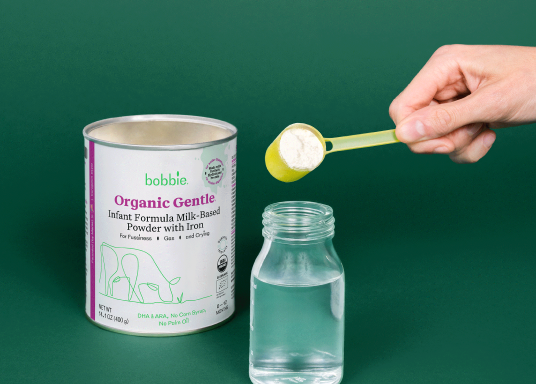


Soybean Oil vs. Canola Oil in Baby Formula: Are They Safe?
Published July 3, 2024
Both soybean oil and low erucic acid rapeseed oil, also known as canola oil, can be used as part of the fat blend in infant formula. They provide essential fatty acids, including linoleic acid, that babies need for normal growth and development. Neither oil is inherently “better” for every baby; what matters is the formula’s complete fat and nutrient profile and whether it meets your baby’s nutritional needs.
If you've spotted soybean oil or canola oil on an infant formula ingredient list, you may be wondering why it's there or whether one is a better choice. Choosing the right infant formula for your baby is crucial, and understanding the ingredients can help you make the best decision. Let’s break down the differences between these oils and understand why they’re important for baby formula.
Why Are Oils Used in Infant Formula?
Both soybean and canola oils contain essential fatty acids and naturally occurring vitamin E. They are used in combination with other oils, and sometimes milk fat, to ensure a well-rounded nutritional profile similar to the composition of breast milk. These formulations are carefully designed to support the health and development of infants.
Human milk contains a complex mixture of fatty acids. Because no single vegetable or dairy fat source has exactly the same fatty acid profile, infant formulas typically use a combination of fats and oils to create an appropriate overall fat profile.
Two essential fatty acids to know are:
-
Linoleic acid (LA): an essential omega-6 fatty acid.
-
Alpha-linolenic acid (ALA): an essential omega-3 fatty acid.
Infants cannot make sufficient amounts of these essential fatty acids on their own, so they need to get them through their diet.
What Is Soybean Oil?
Soybean oil is a plant-based oil made from soybeans. In infant formula, it may be included as one component of a larger fat blend.
Soybean oil contains polyunsaturated fatty acids, including linoleic acid (LA), an essential omega-6 fatty acid, as well as alpha-linolenic acid (ALA), an essential omega-3 fatty acid.
Why is soybean oil used in baby formula?
Soybean oil can help provide essential fatty acids required in an infant's diet. Formula manufacturers may combine it with other fat sources to achieve the intended overall fatty-acid composition of a formula. Soybean oil comes from soybeans and naturally contains omega-6 fatty acids, which are essential for your baby’s growth and development, as well as omega-3 fatty acids.
-
Omega-6 Fatty Acids: These, like linoleic acid, are crucial for your baby’s growth. Baby formula includes omega-6 fatty acids because they are essential for human health and are found in breast milk!
-
Vitamin E: This vitamin helps protect your baby’s cells from free radicals.
The presence of soybean oil alone doesn't tell you whether one formula is nutritionally better than another. It's one component of the formula's complete fat and nutrient profile.
What Is Canola Oil?
Canola oil is a plant-based oil produced from varieties of the rapeseed plant that contain low levels of erucic acid. For this reason, you may also see it described in technical or regulatory contexts as low-erucic-acid rapeseed oil.
Like soybean oil, canola oil can be used as part of an infant formula's fat blend. It provides both linoleic acid (LA), an omega-6 fatty acid, and alpha-linolenic acid (ALA), an omega-3 fatty acid.
Why is canola oil used in baby formula?
Canola oil is used in some infant formulas as a source of essential fatty acids and as one part of the formula's overall fat blend. It is typically combined with other fat sources rather than serving as the formula's only source of fat. Canola oil comes from the seeds of the canola plant. It’s known for having a good balance of omega-6 and omega-3 fatty acids, which is important for your baby’s overall health.
- Omega-3 and Omega-6 Fatty Acids: Like soybean oil, canola oil has omega-6 fatty acids. It also offers some omega-3 fatty acids too.
- More Monounsaturated Fat than Saturated Fat: Similar to soybean oil, canola oil contains more monounsaturated fatty acids than saturated fatty acids.
- Low Erucic Acid: Erucic acid is a fatty acid that may present health risks. With natural cross breeding techniques, canola oil has been cultivated to offer low erucic acid. You’ll see this on a label as “low erucic acid rapeseed oil.”
Bobbie infant formulas are clean, EU-style infant formulas that meets all FDA requirements. They are complete nutrition, milk-based powder, modeled after breast milk and is easy on tummies. They are all non-GMO and do not have corn syrup, palm oil, or maltodextrin. Shop Bobbie today!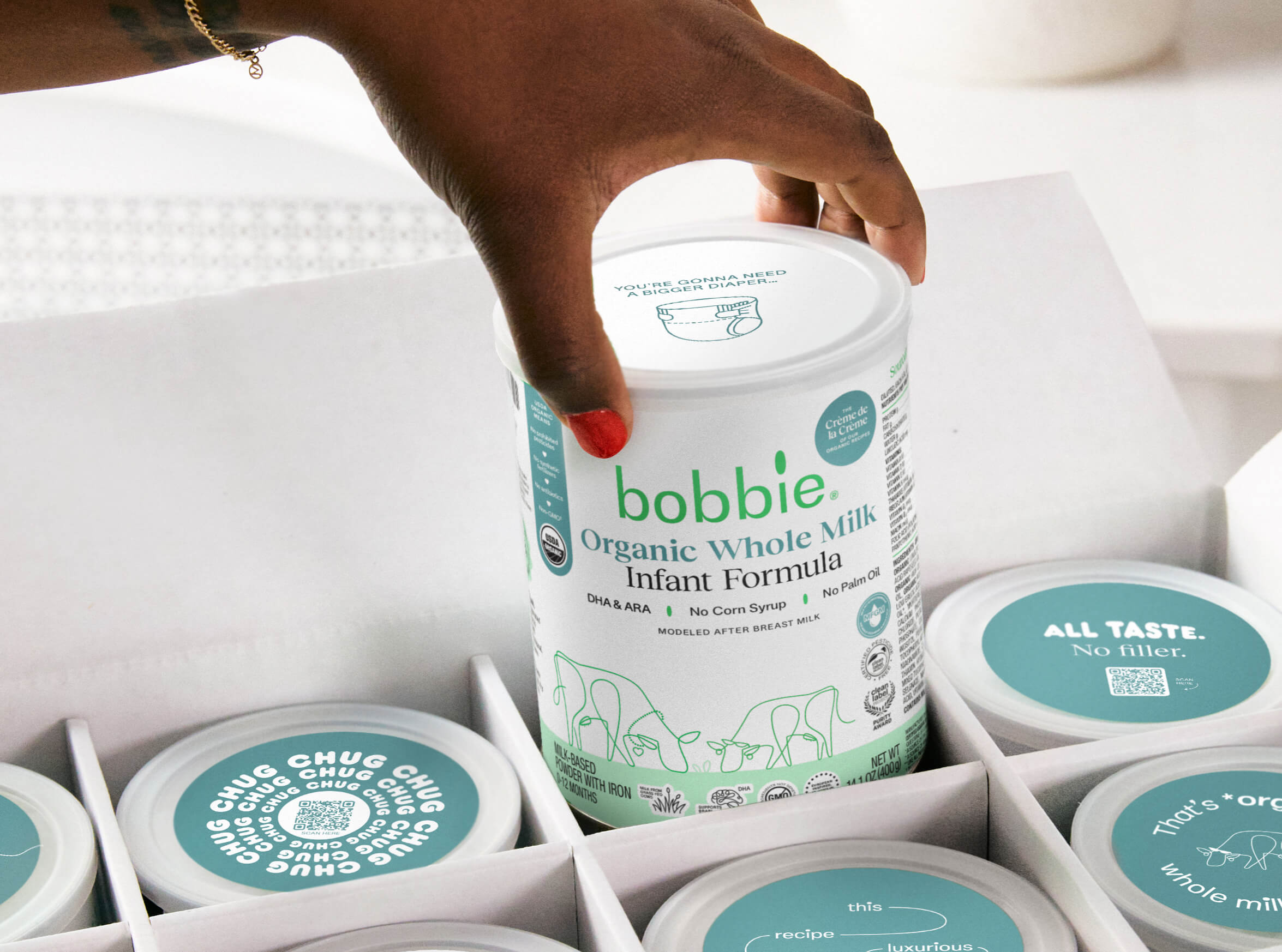
Shop Bobbie Baby Formula
Oils in Baby Formula: Benefits and Concerns
Soybean Oil:
- Benefits: Has omega-6 fatty acids, which are essential for growth, and naturally-occurring amounts of vitamin E.
- Concerns: The omega-6 content in soybean oil can be problematic if not balanced with enough omega-3s to meet an infant’s nutritional requirements. But fear not! All formulas include a blend of several plant-based oils to provide the necessary fatty acids!
Canola Oil:
- Benefits: Includes both omega-6 and omega-3 fatty acids.
- Concerns: Many canola crops are genetically engineered (GMO). If this concerns you, look for non-GMO or organic canola oil options.
Is Soybean Oil Safe in Baby Formula?
Soybean oil is used as a fat source in infant formulas. When evaluating any infant formula, it's important to consider the complete formulation rather than treating the presence of one individual oil as an indicator of the formula's overall quality.
Parents who have concerns about soy allergy or another medical condition should talk with their pediatrician about which formula is appropriate for their baby.
Is Canola Oil Safe in Baby Formula?
Canola oil used in foods and infant formula is low-erucic-acid rapeseed oil. It can be used as one source of fat in an infant formula blend and provides essential fatty acids, including linoleic acid.
As with soybean oil, the presence or absence of canola oil alone isn't enough to determine whether a particular formula is the right choice for a baby.
Why Omega-6 Fatty Acids Matter
Omega-6 fatty acids are important for your baby’s brain development, growth, and maintaining healthy skin and hair. Soybean oil, canola oil, and breastmilk provide these essential fats, and balance with other fatty acids is key.
Both soybean and canola oils can contribute these fatty acids to a formula's overall fat blend, although their individual fatty-acid profiles differ.
When comparing formulas, it's more useful to consider the complete formulation than to assume that the presence of a particular omega-3 or omega-6 source makes one formula inherently superior.
For Development:
- Alongside other fatty acids, omega-6 fatty acids help build your baby’s cells and support overall growth and development.
They’re Required:
- Linoleic acid, an omega-6 fatty acid, must be found in the right amounts in infant formula according to infant formula guidelines in the United States. Infant formulas include an oil blend of several plant-based oils in order to provide all types of fatty acids your baby needs.
Practical Tips for Choosing Infant Formula
When deciding between formulas with soybean oil or canola oil, consider these points:
- Digestibility: It is not expected that there would be differences in digestion between formulas with soybean oil or formulas with canola oil.
- Allergies: Soybean lecithin, an emulsifier often found in formulas that include soybean oil, might be an issue if your baby has a soy allergy. Always check the allergen statement on your label of infant formula and if your baby has a known allergy to soy or if you are concerned about a possible soy allergy, please consult your baby’s healthcare provider before use.
- Quality: Look for formulas that use non-GMO, organic, and/or expeller-pressed oils to avoid concerns about prohibited pesticides, genetic modifications, and chemical processing agents.


Your go-to resource for all things new baby.
Sign up to get the scoop on feeding, sleep, poop, and so much more.
By singing up for email, you are to receive marketing emails from Bobbie and can manage your email preferences or unsubscribe at anytime
Soybean Oil vs Canola Oil: Final Thoughts
When it comes to choosing between soybean oil and canola oil in infant formula, it’s important to know that a formula with either will provide the fats and nutrients your baby needs to thrive as part of a complete oil blend.
The best choice depends on your baby’s specific needs, any potential allergies, and the quality of the formula. Always consult with your pediatrician to ensure you’re making the best choice for your baby’s health and development. With the right information, you can confidently choose a formula that supports your baby’s growth and well-being from the start.
Bobbie infant formulas are clean, EU-style infant formulas that meets all FDA requirements. They are complete nutrition, milk-based powder, modeled after breast milk and is easy on tummies. They are all non-GMO and do not have corn syrup, palm oil, or maltodextrin. Shop Bobbie today!
Shop Bobbie Baby Formula
The content on this site is for informational purposes only and not intended to be a substitute for professional medical advice, diagnosis or treatment. Discuss any health or feeding concerns with your infant’s pediatrician. Never disregard professional medical advice or delay it based on the content on this page.