

Bobbie vs. Holle Infant Formula: Key Differences Explained
Published June 23, 2026
If you’re exploring organic infant formulas, Bobbie and Holle are two names you’ll often see come up. Both are high-quality options, but they differ in where they’re made, how they’re regulated and the nutritional philosophy behind each recipe.
Bobbie is U.S.-manufactured and FDA-regulated, while also aligning with many EU nutritional standards and going through extensive safety testing. Holle is rooted in long-standing European organic and biodynamic farming traditions and follows EU formula standards.
Keep reading for a clear breakdown of how they compare, so you can feel more confident choosing what’s right for your little one.
Bobbie vs. Holle Baby Formula: At a Glance
Here's a quick snapshot of how Bobbie and Holle Infant Formula stack up:
|
Feature |
Bobbie |
Holle |
|
Origin |
United States |
Europe |
|
Organic certification |
USDA Organic and EU Organic (via equivalency agreement) |
EU Organic; select formulas also carry Demeter certification |
|
Regulatory framework |
FDA-regulated with EU-style nutrition alignment |
EU standards |
|
Milk type |
Organic cow’s milk formulas, including skim milk, whole milk and partially hydrolyzed whey options |
Organic cow’s milk and goat milk formulas |
|
DHA source |
Algae-based DHA |
Added DHA (varies by formula) |
|
Is palm oil present? |
No palm oil |
Present in some formulas |
|
Formula stages |
Complete nutrition from birth to 12 months |
Multiple stages (1–4) from birth through toddlerhood |
|
Manufacturing philosophy |
U.S.-based production with extensive batch testing |
Biodynamic farming for ingredients, plus EU manufacturing |
|
Testing standards |
2,000+ safety and quality checks plus third-party testing |
EU-required quality controls |
Getting To Know Bobbie Infant Formula
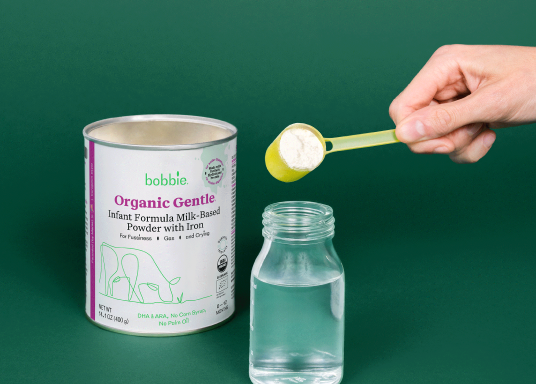
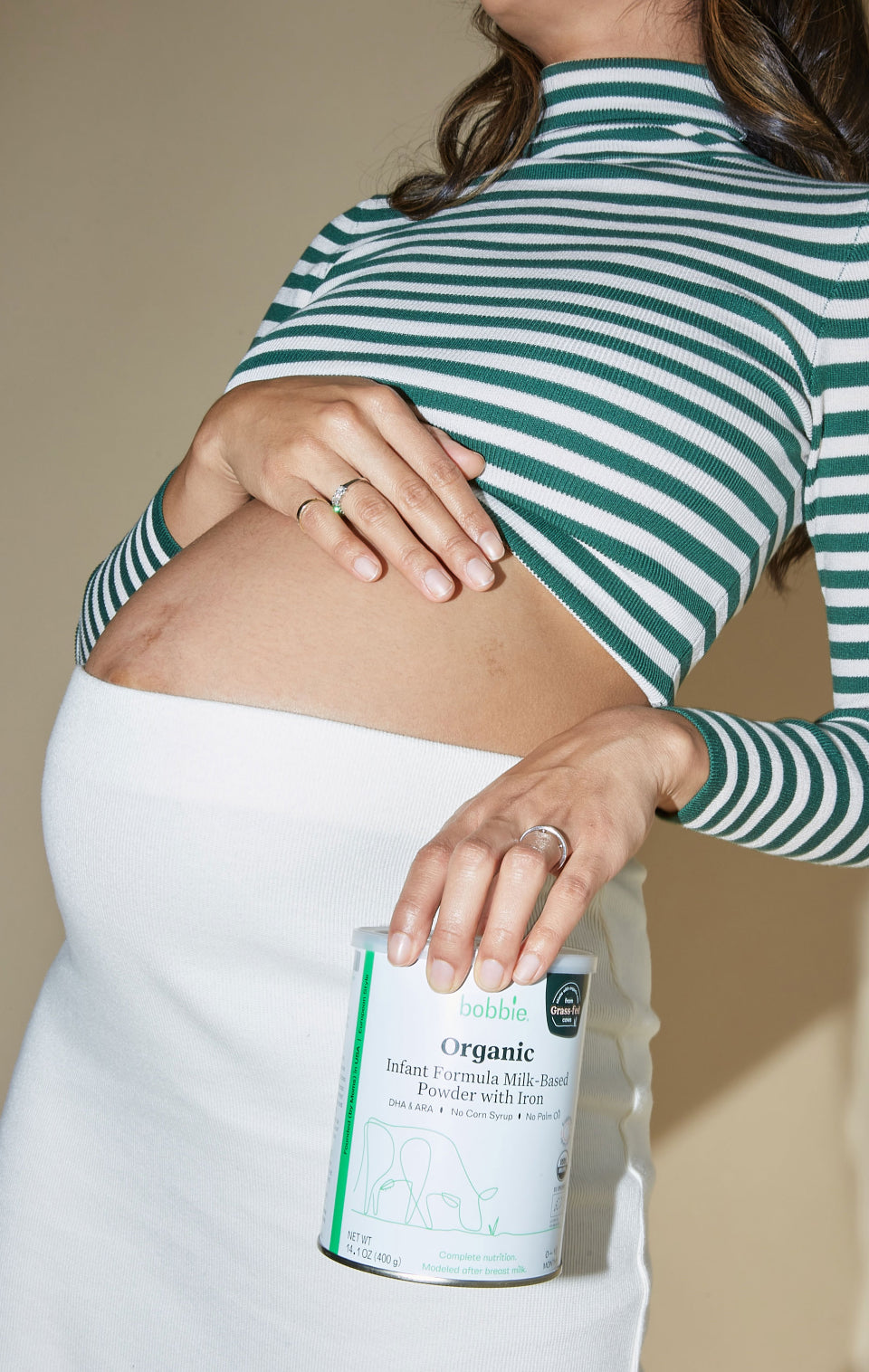
Bobbie Organic Infant Formula is a USDA Organic option made in the U.S. and thoughtfully crafted to combine breast milk science and the nutritional principles parents appreciate in European formulas. The recipe is built around simple, high-quality ingredients, including:
-
Organic lactose as the sole carbohydrate source
-
Algae-based DHA at levels that meet European nutrition standards
Beyond what's in the formula, Bobbie places a strong emphasis on safety, transparency and quality. Every batch undergoes more than 2,000 safety and quality checks, and Bobbie has earned both the Clean Label Project Purity Award and Pesticide-Free certifications. Bobbie formulas are also made without palm oil, corn syrup, soy allergens, or artificial growth hormones.
As an FDA-registered formula manufacturer, Bobbie combines rigorous oversight with a controlled U.S. supply chain and extensive traceability practices. The result is a formula designed to give parents confidence — not only in the nutrition they're providing, but also in how that nutrition is sourced, tested and produced from start to finish.
What Is Holle Baby Formula?
Holle is a European organic baby formula brand known for its history in infant nutrition and focus on biodynamic farming practices. The brand offers both cow and goat milk formulas and follows European organic standards, with select products also carrying Demeter certification (a biodynamic farming designation).
Holle formulas are made without GMO ingredients or artificial preservatives and are available in multiple stages designed for different ages and developmental milestones. At the heart of the brand is a commitment to traditional organic agriculture, sustainable farming practices and carefully sourced ingredients.
Bobbie and Holle Baby Formula Ingredient Breakdown
While both Bobbie and Holle are organic formulas designed to provide complete infant nutrition, there are a few notable differences in how their recipes are built:
Carbohydrate Sources
Bobbie formula uses exclusively organic lactose, the primary carbohydrate naturally found in breast milk. Holle formulas are also lactose-based in most cases, though the exact formulation can vary depending on the specific product and stage.
Fat Blends and Oil Sources
Both formulas include a blend of fats to support healthy growth and development. Bobbie uses organic plant-based oils and doesn’t include palm oil in its recipes. Holle uses a mix of organic vegetable oils, with some formulas containing palm oil. They both also offer whole-milk-based options that provide naturally occurring milk fat.
DHA Sources
DHA plays an important role in supporting brain development during infancy. Bobbie uses algae-based DHA, a vegetarian source that meets European nutritional requirements, while Holle also includes DHA, though the source varies by formula.
The Protein Blend
Bobbie organic formulas feature a 60:40 whey-to-casein ratio designed to resemble the protein balance found in breast milk more closely. The protein profile of Holle formula varies based on whether it’s made with cow or goat milk and follows a more traditional milk-based approach.
Formula Design and Transparency
Bobbie's Clean Label Project Purity Award-winning formulas are built around strict ingredient exclusions and transparency. Holle emphasizes a minimal-processing approach rooted in its long-standing European organic and biodynamic farming traditions.
European vs. U.S. Formula Standards
The U.S. and Europe both maintain strict standards for infant formula, but they tend to emphasize different aspects of formulation and production.
In the U.S., the Food and Drug Administration (FDA) focuses on nutritional requirements and manufacturing oversight. Formulas must meet defined nutrient standards and go through regulated production and safety controls before they can be sold to families.
In Europe, regulations place more emphasis on ingredient rules and formulation limits, with tighter restrictions on certain additives and a strong focus on organic and biodynamic farming practices.
Bobbie takes a unique approach. The formula is manufactured in the U.S. under FDA oversight, while aligning its nutritional philosophy with many EU-style standards. Holle, by contrast, remains fully grounded in European organic and biodynamic systems.
Finding the Best Fit Formula for Your Baby’s Needs
The best baby formula often comes down to your little one’s feeding needs and what matters most to your family. A few key considerations can help guide your decision:
Ingredient Priorities
For many parents, Bobbie feels appealing because of its simple, breast milk-inspired approach. It uses lactose as the exclusive carbohydrate and skips palm oil in favor of a plant-based oil blend. Holle follows a more traditional European formulation style, which may include palm oil depending on the product.
The choice for families depends on what feels right, whether that's a streamlined ingredient approach or a more conventional European recipe style.
Manufacturing and sourcing transparency
Bobbie is made in the U.S. with a strong focus on batch testing, quality control and full supply chain traceability from production through delivery. Holle, on the other hand, is rooted in long-established European organic and biodynamic farming traditions. The difference often comes down to where parents feel more confident — U.S.-based manufacturing oversight or European farming heritage and standards.
Formula variety and flexibility
Bobbie keeps feeding simple with a focused formula range designed to support babies from birth through 12 months. Holle offers more variety, including multiple stages and both cow and goat milk formula options. Some parents appreciate Bobbie’s straightforward “one clear path” approach, while others like having stage-based options as their little one grows and reaches new milestones.
Availability and convenience
Bobbie is designed to be easy to access in the U.S., with subscription delivery and retail availability helping ensure a steady supply. Holle infant formula is not legally allowed to be sold in the U.S., though some parents choose to import it from a 3rd party distributor. This is strongly discouraged as this comes with safety risks, including unregulated storage, poor temperature control during shipping, port delays, and customs seizure.
Keep in mind that even when formulas are nutritionally similar, digestibility and tolerance can vary, so feeding experience often becomes an important part of finding the right fit.
Bobbie vs. Holle FAQs
Which formula is closest to breast milk?
Both Bobbie and Holle are designed to provide complete infant nutrition, but “closest to breast milk” can depend on what aspects you’re focusing on.
Bobbie formula is formulated with breast milk research in mind, including a whey-to-casein ratio modeled after breast milk and lactose as the primary carbohydrate. Holle also uses lactose in most of its formulas and follows traditional European organic formulation standards.
Is Holle FDA-approved?
Holle isn’t FDA-registered or approved for sale in the United States. Because it’s a European formula manufactured and sold under EU regulations, it’s typically imported into the U.S. through third-party distributors. Sourcing formula this way comes with risks, and for the safety of your baby, it is not recommended.
Why do parents choose European-style formulas?
Many parents are drawn to European-style formulas for their strong organic standards and stricter ingredient guidelines. However, European formula brands, like Holle, are often imported into the U.S. through third-party distributors, which can affect availability and access, and risk seizure by U.S. customs.
Bobbie offers a U.S.-manufactured option that aligns with EU-style nutritional benchmarks, giving families a more accessible way to find that same style of formulation with local manufacturing and oversight.
Do Bobbie or Holle formulas contain added sugars or corn syrup?
Neither Bobbie nor Holle uses corn syrup in their infant formulas, and both rely on lactose as the primary carbohydrate in most cow’s milk-based recipes. This aligns with common infant nutrition standards and helps keep the carbohydrate source closer to what’s naturally found in breast milk.
Can I switch between formulas safely?
In many cases, babies can transition between formulas, but every baby responds differently. Some may adjust easily, while others may experience temporary changes in digestion or feeding patterns. It’s always best to monitor your baby’s response and consult your pediatrician if you’re considering a switch.
Making a Confident Choice for Your Baby’s Nutrition
Both Bobbie and Holle offer high-quality organic infant formulas, each held to strong safety and nutritional standards within their respective U.S. and European frameworks. Neither is inherently “better” — the right choice really comes down to your baby’s needs and your family’s priorities, though Bobbie’s FDA regulation makes it a safer choice.
For many new parents, Bobbie Infant Formula is a trusted everyday option. Made in the U.S. with rigorous safety and quality testing, it’s thoughtfully formulated with breast milk science in mind. Bobbie offers a range of options to meet different feeding needs, from Bobbie Organic Gentle® for sensitive tummies to Organic Whole Milk and Grass-Fed Whole Milk options.
Beyond the formula itself, Bobbie also supports families throughout the feeding journey with expert-led resources, educational tools and a welcoming parent community designed to help you feel more confident every step of the way.
Ready to take the next step? Shop Bobbie Organic Infant Formula or take the Find My Formula Quiz to get matched with the right fit for your baby.
The content on this site is for informational purposes only and not intended to be a substitute for professional medical advice, diagnosis or treatment. Discuss any health or feeding concerns with your infant’s pediatrician. Never disregard professional medical advice or delay it based on the content on this page.