


How to Switch Baby Formula: A Guide to Transitioning Formulas
Published June 13, 2025
Last Updated:
Switching baby formula is common, whether you're moving to a gentle formula, transitioning from gentle to a routine formula, or trying a different formula based on your baby's needs. Depending on why you're switching, your pediatrician may recommend changing formulas at once or using another transition approach.
When switching formula, it's normal to watch your baby's feeding, digestion, stool, and overall comfort as they adjust. Some babies may experience temporary changes such as increased gas, spit-up, fussiness, or differences in poop color, texture, or frequency.
If switching your baby’s formula feels like a scary step, you’re not the only one feeling that way. Whether you need a new formula due to a recall, your pediatrician is recommending a switch, or you’re exploring options with different ingredients, a lower price, or a more organic focus, making a change is more common (and more manageable) than you might think.
In this guide, we’ll cover everything you need to know about changing formula, including when it might be time, how to do it smoothly, and what signs to look for as your baby transitions. Plus, we’ll show you how Bobbie is here to make that transition feel less overwhelming — and a lot more empowering!
How Do You Know When to Switch Formula?
There isn't one universal sign that means every baby needs to switch formula. Parents may consider a different formula because of ongoing feeding discomfort, ingredient preferences, availability or cost, or because their pediatrician recommends a change. If you're considering switching because of persistent digestive symptoms or a possible allergy, talk with your pediatrician before deciding which formula type is appropriate.
When Should I Switch Baby Formula?
Deciding to switch your baby’s formula is a common part of the feeding journey. Most of the time, the decision is based on your baby’s age, development, or changing nutritional needs. But other factors like recalls, ingredient preferences, cost or guidance from your pediatrician also play a role.
Whatever your reason, understanding why to switch can help you feel more confident and supported as you make the best choice for your baby — and for you. Here are some of the most common reasons parents decide to change baby formula:
1. Your Current Formula is Recalled
Parents should immediately check to see if the lot numbers on their current formula match a recalled lot. Check the FDA recall release for those lot numbers and instructions about what to do if your product is part of the recall. While recalls are rare, they can be serious. Switching to a new formula may provide peace of mind that you're making the right choice to keep your baby healthy.
2. Your Baby Is Outgrowing Their Current Formula
Many babies begin their feeding journey with a gentle or partially hydrolyzed formula. These formulas are made with lots of whey protein that is broken down into smaller pieces, making it easier to digest — especially for younger babies or those with mild tummy sensitivities. They can help with fussiness or gas in those early months.
But as your baby grows (usually between 6 and 12 months), their digestive system also matures. At this stage, most little ones are ready to handle intact milk proteins — the kind found in routine formulas. Switching to a standard formula can support their evolving nutritional needs while continuing to fuel healthy growth and development.
Routine formulas like Bobbie Organic Whole Milk infant formula are crafted to provide complete nutrition in a milk-based formula that’s a stepping stone to what toddlers and older children consume in whole cow’s milk, supporting healthy growth and development.
3. Your Baby Is Starting To Eat Solids
Starting solids is a big (and exciting!) milestone in your baby’s development. When your little one begins enjoying foods like yogurt, cheese, or other dairy-containing solids, it’s often a sign that their digestive system is growing right along with them.
If they’re handling these new textures and ingredients with no trouble, chances are they’ll do just fine on a routine milk-based formula, too. Transitioning away from gentle or partially-hydrolyzed options at this stage can make feeding simpler and can help your baby get used to a wider variety of tastes and nutrients.
4. You Want a More Cost-Effective Option
Let’s be honest — formula feeding can be one of the bigger line items in your baby’s first year. Specialty options like gentle, hypoallergenic, or reflux formulas tend to cost more because of their carefully tailored ingredients and extra processing.
But if your baby is thriving and no longer needs a specialty formula, switching to a routine option can make a big difference financially. For example, moving from Bobbie Organic Gentle to Bobbie Whole Milk formula can save families over $200 in just the second half of their baby’s first year (when subscribing).
Those savings add up quickly — and the best part? You’re still giving your baby high-quality organic nutrition that supports their growth and development.
5. Your Pediatrician Recommends It
Sometimes the best guidance comes from the expert who knows your baby best — your pediatrician. They’re keeping a close eye on things like growth, digestion and overall well-being and may recommend a formula change to better support your baby’s next stage of development.
If your little one is thriving and starting to show signs of readiness, your doctor might suggest transitioning to a routine milk-based formula as a helpful next step. It’s a gradual way to support your baby’s changing needs while making the eventual switch to whole milk a little smoother.
When to Switch From Gentle to Routine Baby Formula
If your baby started on a gentle formula because of gas, fussiness, or crying around feeds, you may eventually wonder whether they still need a gentle formula or if it's time to try a routine infant formula. As babies grow, their feeding patterns and digestive needs can change, so a formula that was a good fit earlier in infancy may not always be the only option as they get older.
There's no single age when every baby should switch from gentle to routine formula. Instead, consider how your baby is feeding, growing and tolerating their current formula, and talk with your pediatrician about whether trying a routine formula makes sense for your baby's individual needs.
How do you know when it's time to switch to routine formula?
If your baby is growing well and the gas, fussiness or feeding discomfort that originally led you to choose a gentle formula has improved, you may be wondering whether they're ready for a routine formula.
Some reasons parents may consider talking with their pediatrician about transitioning from gentle to routine formula include:
-
The gas, fussiness, or crying that originally prompted the switch to gentle formula has improved.
-
Your baby appears comfortable and is feeding well.
-
Your baby is tolerating a wider variety of foods as they begin eating solids.
-
You're wondering whether your baby still needs partially hydrolyzed protein.
-
Your pediatrician recommends trying a routine infant formula.
These signs don't necessarily mean you need to change formulas. If your baby is doing well on their current gentle formula, there may not be a reason to switch simply because they've reached a certain age. Your pediatrician can help you decide whether transitioning formulas is appropriate for your baby.
What's the difference between gentle and routine formula?
One of the key differences between gentle and routine milk-based formulas is how the milk protein is structured. Gentle formulas may contain partially hydrolyzed proteins, meaning the proteins have already been broken down into smaller pieces. Routine formulas generally contain intact milk proteins.
Bobbie Organic Gentle® Infant Formula, for example, is made with 100% partially hydrolyzed whey protein and is designed for babies experiencing fussiness, gas and crying. Bobbie Organic Infant Formula uses intact milk proteins and is designed for routine infant feeding.
If your baby has been doing well on Bobbie Gentle and you're considering a change, talk with your pediatrician about whether transitioning to Bobbie Organic Infant Formula could be an appropriate next step.
Explore Bobbie Organic Whole Milk Formula
What if my baby still seems to need gentle formula?
There's no need to rush the transition simply because your baby is getting older. If your baby is doing well with gentle formula, their pediatrician may recommend continuing with it based on their individual feeding needs.
If gas, fussiness or crying returns after switching formulas, or you notice persistent or severe symptoms, talk with your pediatrician. They can help you determine whether to continue with the new formula, return to a gentle option or consider another feeding approach.
Best Practices for a Smooth Formula Transition
Switching your baby’s formula is an important change that requires care and patience. Since your baby’s digestive system may need time to adapt, keep in mind that changes in stool texture, color, and frequency as well as short-term increases in gas and fussiness can be normal.
How You Transition Matters
In the case of a recall, immediately stop using any affected lots of recalled product and check FDA’s recall release for next steps. A ‘cold turkey’ change also makes it clearer much earlier if your baby is tolerating the new formula. In other cases, some pediatricians recommend slowly introducing a new formula to help reduce common temporary side effects like fussiness, gas, or changes in stool texture and frequency. . Talk to your pediatrician about which option is right for you!
During the transition, keep a close eye on your baby’s reactions. Temporary fussiness, changes in stool, increased spit up, or refusal to finish bottles can be normal for a couple of days. But if your baby seems very uncomfortable or shows signs of intolerance like projectile vomiting, new wide-spread rash, blood or excessive mucus in the stool, severe diarrhea or persistent refusal to eat, please check in with your pediatrician.
Every baby is unique, so take the process at your baby’s pace and reach out to your healthcare provider if you have any questions or concerns.
Additional Tips for a Successful Formula Switch
-Keep Feeding Times Consistent: Maintain your baby’s usual feeding schedule to provide comfort and routine.
-Provide the New Formula First Thing: Trying the new formula in the morning is wise, as it can give you time to watch for reactions compared to a pre-bedtime bottle.
-Offer Extra Comfort: Some babies benefit from more cuddling or soothing during transitions to ease any temporary tummy discomfort.
-Watch for Allergic Reactions: While rare, monitor for rash, swelling, breathing difficulties or bloody stools — these require immediate medical attention.
Recognizing Normal vs. Concerning Adjustment Periods When Switching Formula
Switching your baby’s formula can come with an adjustment period as their little digestive system gets used to something new. Most of these are totally normal and usually settle down within a few days to a week. Knowing what to expect — and when to reach out — can make the whole process a lot less stressful.
What’s Normal When Switching Baby Formula
It’s totally normal for your baby to show a few mild, temporary changes when trying a new formula, such as:
-
A little extra gas, burping or some spit-up
-
Changes in stool color, texture or frequency
-
Slight fussiness or hesitation with the new taste
-
Brief irritability that settles quickly with common soothing methods
These reactions are just your baby’s way of adjusting to new ingredients or proteins — not a sign of a bigger issue like an allergy or intolerance.
Remember, every baby’s different, so a little adjustment time is part of the process!
When To Consult a Pediatrician
Switching formulas isn’t something you have to do on your own. Your pediatrician can help guide the process and make sure your baby is ready, especially if your child:
-
Has been diagnosed with cow’s milk protein allergy, reflux or digestive complications
-
Is starting dairy solids and you’re not sure how they’ll tolerate them
-
Has had negative reactions to formula changes in the past
-
Has a family history of allergies
In many cases, doctors recommend trying a routine formula like Bobbie Organic Original or Organic Whole Milk formula between 6 and 12 months as a safe, complete nutrition option before introducing cow’s milk after their first birthday.
Monitoring Your Baby’s Comfort and Feeding Patterns During the Transition
Not sure if your formula switch is working? The best indicators are your baby’s behavior, digestion, and growth.
Here’s what to look for:
-
Six to eight wet diapers a day
-
Regular bowel movements without signs of distress
-
Steady weight gain along your pediatrician’s growth curve
-
Happy, alert behavior during and after feeding
-
Feeding volume that matches their age and stage
Tracking these patterns can help you feel confident that your baby is adjusting well.
Bobbie Helps You Make Switching Formulas a Breeze
We know formula changes can feel overwhelming, but they don’t have to be! At Bobbie, we’ve built our products around the real needs of real families, with science-backed, clean-label formulas designed to support your baby at every stage.
Why Choose Bobbie?
-
Intact milk proteins that gently prepare the digestive system for whole milk
-
USDA Organic and Clean Label Project Certified recipe
-
European-style formulation with U.S. FDA compliance and quality
-
Cost-effective compared to specialty or hydrolyzed formulas
-
Created by moms, scientists and medical professionals
Whether you're moving on from a partially-hydrolyzed formula or switching after a recall, Bobbie offers options to support your formula-fed baby from 0-12 months.
Shop Bobbie today to find the right formula for your family’s next chapter!
Meet the first and only USDA organic infant formula manufactured in the U.S.! Bobbie Organic Whole Milk Formula offers complete nutrition for baby's first year with our closest to breastmilk recipe.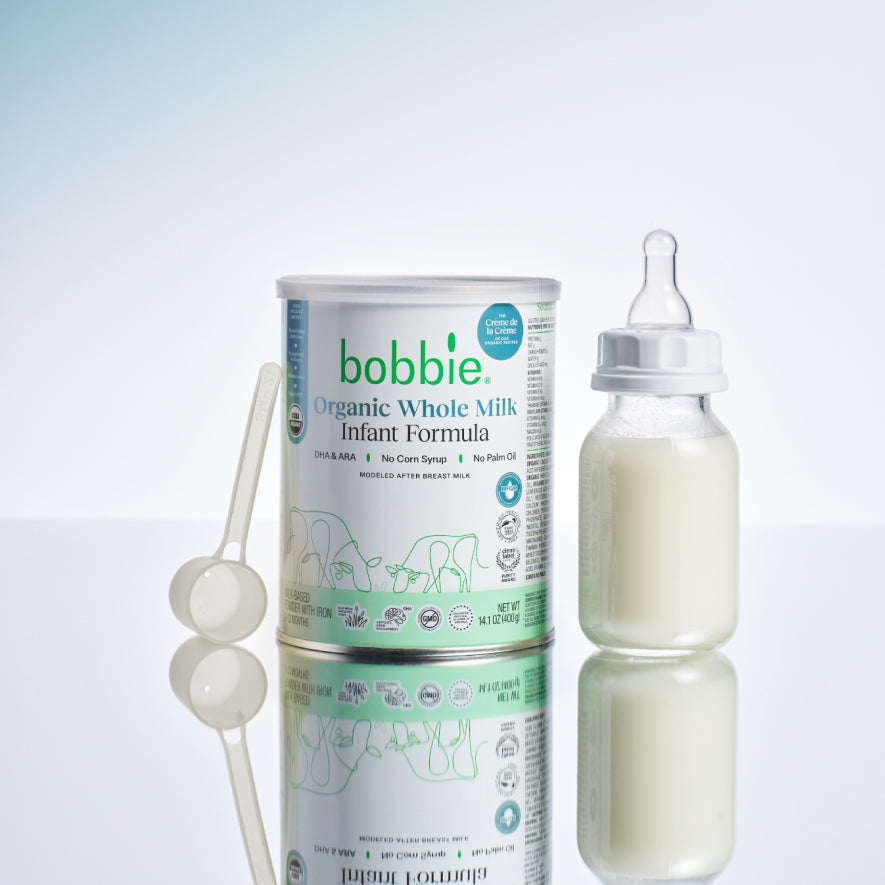
Shop Organic Whole Milk Infant Formula
The content on this site is for informational purposes only and not intended to be a substitute for professional medical advice, diagnosis or treatment. Discuss any health or feeding concerns with your infant’s pediatrician. Never disregard professional medical advice or delay it based on the content on this page.