


Corn Syrup in Baby Formula vs. Lactose: What’s the Difference?
Published August 10, 2023
Last Updated:
Looking at the ingredients list on a container of baby formula can be overwhelming. Whey protein hydrolysate? Low erucic acid rapeseed oil? Soy lecithin? It can be hard to know what these ingredients are, much less the purpose that they serve!
Two ingredients that might be a bit more familiar (and that often appear near the top of the ingredient list) are lactose and/or corn syrup in baby formula. Carbohydrates make up roughly 40 percent of the calories that infants receive from baby formula or breastmilk, , and these nutrients are essential for the growth and development of a baby's body and brain. Both lactose and corn syrup can be used as a source for these important carbs, but some formulas also contain added sugars, such as corn syrup, which can raise health concerns. In addition to lactose and corn syrup, other carbohydrates like maltodextrin, glucose syrup, or rice syrup may also be used in formulas, each with different digestibility and nutritional impacts. Let’s dig into the need-to-know info about lactose and corn syrup in formula.
What’s the Difference Between Lactose and Corn Syrup?
When it comes to choosing baby formula, one of the critical considerations is the carbohydrate source used in the product. The FDA requires that all infant formulas include carbohydrates to mirror the volume of carbs in breastmilk. Many formulas use lactose as the main ingredient, closely mimicking the carbohydrate found in breast milk, while others use alternative carbohydrates such as corn syrup, sucrose, maltodextrin, or glucose syrup, two of the most common carbohydrate sources found in baby formulas are lactose and corn syrup (or corn syrup solids). Understanding the differences between these two options is essential for parents to make an informed decision about their child's nutrition.
Lactose-based formula is considered the standard for most babies, as lactose is the carbohydrate naturally present in breast milk and is generally well-tolerated by the majority of infants. For infants who have difficulty digesting lactose, lactose-reduced formulas are available; these formulas replace some or all of the lactose with alternative carbohydrate sources like corn syrup or glucose to address feeding intolerance or specific medical needs.
There are many baby formulas on the market that do not contain corn syrup, and may use other carbohydrate sources such as maltodextrin, glucose syrup, or rice syrup.
What is Lactose?
Lactose is a naturally occurring sugar found in all mammal milk and in infant formula, it is typically derived from cow's milk as the primary carbohydrate source. It consists of two sugar molecules, glucose and galactose, which are linked together. Lactose plays a crucial role in providing energy to growing infants and is easily digested by most babies. Did you know that the majority of infants can digest lactose without any issues? Given that lactose is the predominant carbohydrate source in human milk, full-term infants are biologically-designed to digest it as a result of lactase enzymes that they begin to produce in their gut while still in utero. Pediatricians often recommend lactose-based formulas because they closely mimic the nutritional profile of human milk.
Bobbie infant formulas are clean, EU-style infant formulas that meets all FDA requirements. They are complete nutrition, milk-based powder, modeled after breast milk and is easy on tummies. They are all non-GMO and do not have corn syrup, palm oil, or maltodextrin. Shop Bobbie today!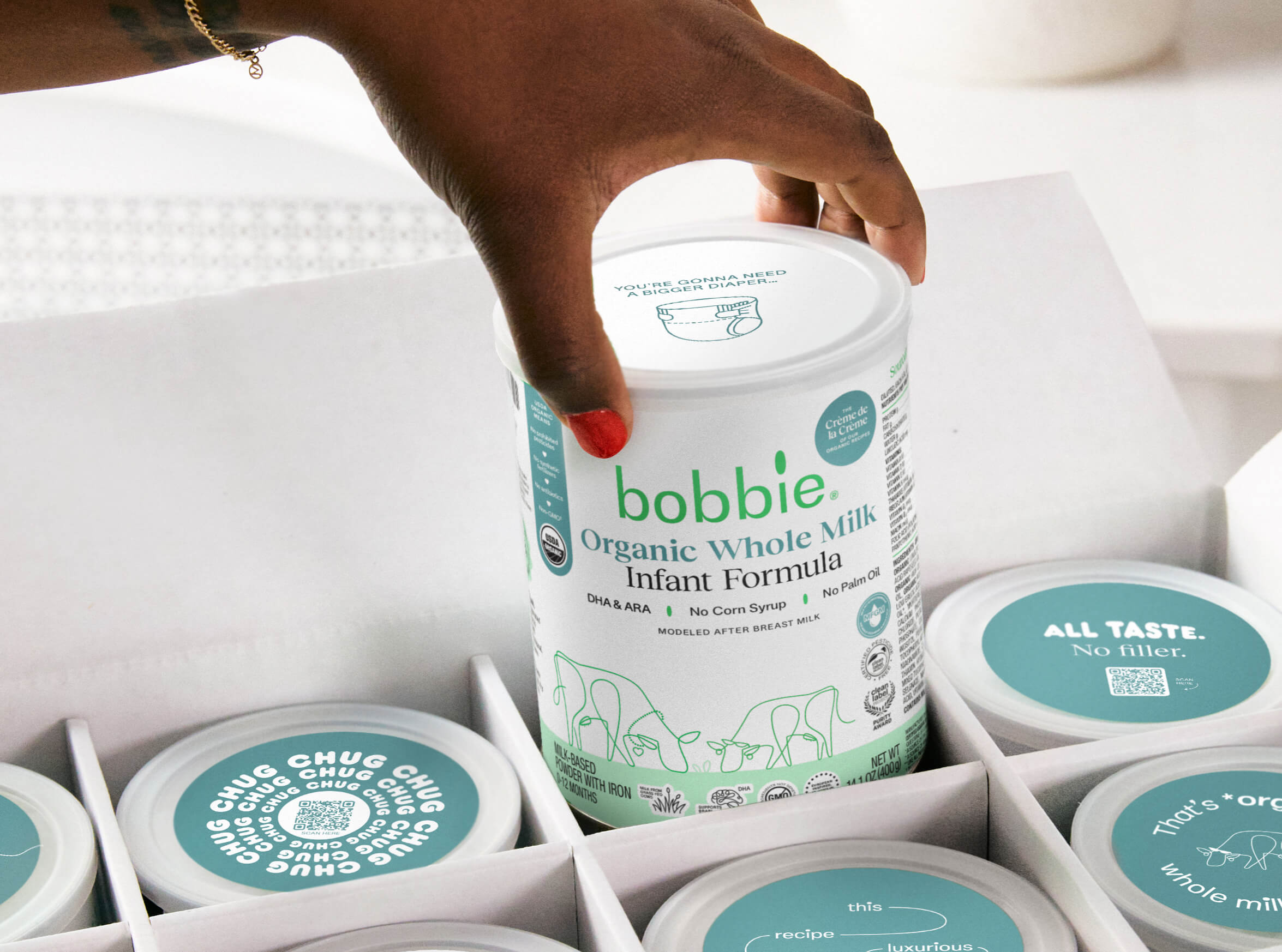
Shop Bobbie Baby Formula
What is Corn Syrup?
Corn syrup is derived from corn starch, and consists of one sugar molecule - glucose. It is often used as a sweetener in various food products due to its ability to enhance flavor and texture. In contrast, high-fructose corn syrup is a mixture of glucose and fructose, which makes it a sweeter alternative. Importantly, there are no baby formulas in the U.S. that contain high-fructose corn syrup, as it is not used as a carbohydrate source in infant formulas. Corn syrup solids are made by dehydrating corn syrup to create a powdered form, which makes it easier to incorporate into formula mixtures.
In the context of baby formula, corn syrup or corn syrup solids might be used as a carbohydrate source in place of or in addition to lactose to meet the total carbohydrate requirement in the FDA Infant Formula Act. Often, corn syrup is used in formula to provide an option for infants who are believed to be sensitive to lactose.
Purpose of Sweeteners in Formula
Sweeteners like corn syrup solids and lactose play a crucial role in infant formula by providing a significant portion of the calories babies need for energy and development. In fact, about 40% of the calories in both breast milk and most infant formulas come from carbohydrates. Lactose, the natural sugar in breast milk, is often used in formula to closely replicate the nutritional profile of human milk. Corn syrup, derived from corn starch, is another common sweetener and is primarily made up of glucose molecules.
Some babies, especially those with lactose intolerance or certain digestive issues, may have trouble digesting lactose, so formulas with corn syrup solids are available as an alternative. The choice between lactose and corn syrup solids can affect how easily a baby digests the formula and how well they tolerate it. Because every baby is unique, it’s important for parents to work with healthcare professionals to select the formula that best meets their child’s nutritional needs and supports healthy growth.
Is Corn Syrup in Formula Bad for Babies?
The inclusion of corn syrup in baby formula has been a topic of debate among parents, healthcare professionals, and formula manufacturers. Corn syrup is considered an added sugar in formula, and its presence raises concerns about added sugars and their potential impact on infant health. While an allowable, “generally regarded as safe” (GRAS) ingredient according to the FDA, some parents have concerns about the impact of corn syrup on infants' health, particularly as part of a sole-source nutrition product like infant formula.
One of the main concerns is related to the glycemic index of corn syrup. The glycemic index measures how quickly a carbohydrate-containing food raises blood sugar levels. Lactose has a glycemic index value of 46, while corn syrup has a GI value of 100. This means that corn syrup is metabolized at twice the rate of lactose! While we know that high-glycemic foods can cause rapid spikes and crashes in blood sugar, we currently lack robust data on how changes in blood sugar values impact infants.
Note! Corn syrup used in infant formulas is not the same as high-fructose corn syrup (HFCS). In the past, certain formula manufacturers used high-fructose corn syrup as a carbohydrate source in their products. Companies have moved away from this ingredient, instead using 100% glucose-containing corn syrup instead of glucose+fructose-containing HFCS.
While longitudinal research is still forthcoming, some studies have suggested that infants who received formula with corn syrup-based carbohydrates had a higher risk of obesity during infancy and toddlerhood. It is essential to note, however, that research in this area is ongoing, and individual factors such as diet, lifestyle, and genetics also play a significant role in a child's risk of obesity.
Want to learn more? Tune into this free Bobbie webinar where the famous Dr. Michael Goran, Professor of Pediatrics at The Children’s Hospital of Los Angeles, shares his latest scientific discoveries about infant formulas containing corn syrup solids.
Sign up to get the scoop on feeding, sleep, poop, and so much more. By singing up for email, you are to receive marketing emails from Bobbie and can manage your email preferences or unsubscribe at anytime

Your go-to resource for all things new baby.
Lactose vs. Corn Syrup in Baby Formula
When comparing lactose-based formulas with those that include corn syrup-based carbohydrates, there are several key factors to consider:
- Nutritional Similarity to Breast Milk: Lactose-based formulas are often considered to be more nutritionally similar to human milk, as lactose is the primary carbohydrate found in human milk.
- Lactose Intolerance: While extremely rare, some infants may have difficulty digesting lactose. In these rare cases, a lactose-reduced or lactose-free formula may be recommended, and a corn syrup-based formula could be an appropriate alternative. Parents should consult with their pediatrician to determine the best course of action in case of digestive upset as the cause is frequently cow milk protein, not lactose!
- Taste: Lactose-based formulas are often praised for their mild, sweet taste. Corn syrup-based formulas are more sweet, and some babies might have preferences for one over the other.
- Availability of Formula Options: In the United States, lactose-based formulas are widely available and considered the standard or routine option. However, corn syrup-based formulas are the default for “gentle” and “sensitive” formula types. Parents may need to explore various brands to find the most suitable formula for their child, and in some cases, a child’s needs may dictate the type of carbohydrate source used in their formula. For example, children with cow milk protein allergy (CMPA) should use a hypoallergenic formula, all of which (from U.S. manufacturers) currently contain a non-lactose carbohydrate source.
-
Special Supplemental Nutrition Program for Women, Infants, and Children (WIC): Families who rely on the WIC program for formula assistance are restricted in the brands and types of formula they can buy based on the contracted formula manufacturer for their state. While both lactose-based and corn syrup-based options are typically available, check with your state WIC office for a list of covered formula products.
Is Lactose Better than Corn Syrup in Baby Formula?
The choice between lactose and corn syrup-based baby formula involves considering factors such as nutritional composition, taste preferences, and developing science. Lactose-based formulas are generally more closely aligned with the composition of breast milk and well-tolerated carbohydrate source for most infants. However, for babies with specific medical needs, a lactose-reduced or lactose-free infant formula may be an appropriate option.
As with any dietary decision for infants, it is crucial to consult with a pediatrician or healthcare professional to determine the most suitable formula option for your child's individual needs and to ensure they receive the best possible start in life!
Why Bobbie Uses Lactose, Not Corn Syrup
Bobbie’s ingredient philosophy is rooted in creating formulas that are modeled after breast milk while meeting FDA requirements for complete infant nutrition. Since lactose is the primary carbohydrate in breast milk, Bobbie Formula uses lactose as its carbohydrate source.
Bobbie Formula does not use corn syrup solids. For families looking for a lactose-based infant formula without corn syrup solids, Bobbie offers an option designed to support complete nutrition from day one to year one.
Meet the first and only USDA organic infant formula manufactured in the U.S.! Bobbie Organic Whole Milk Formula offers complete nutrition for baby's first year with our closest to breastmilk recipe.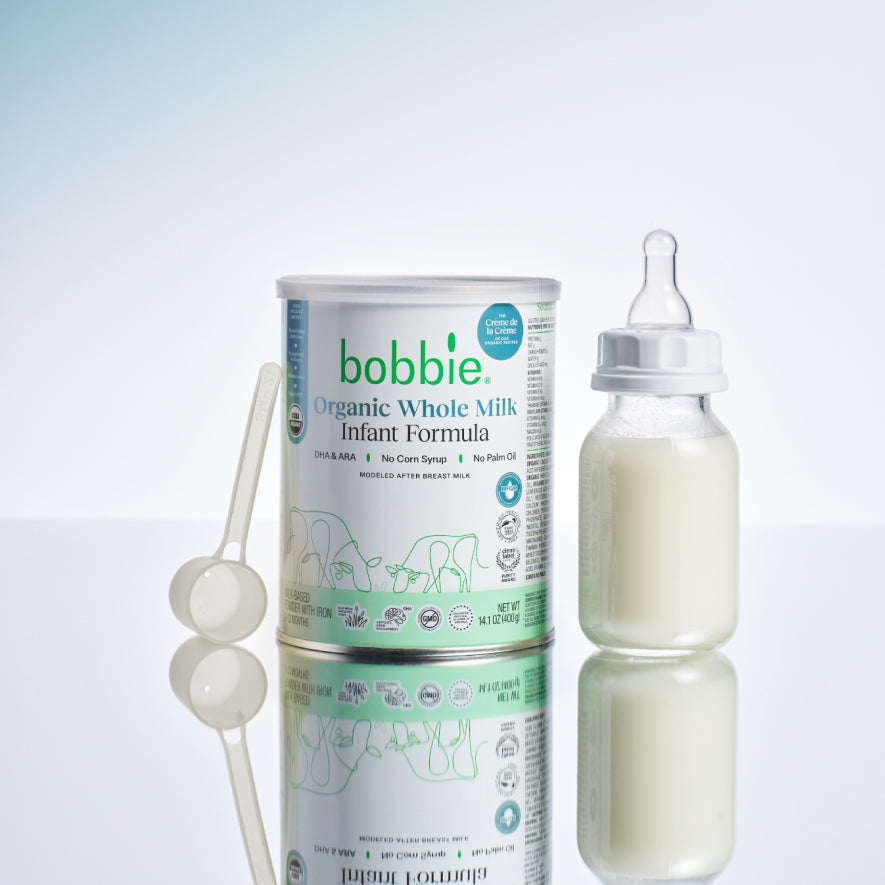
Shop Organic Whole Milk Infant Formula
The content on this site is for informational purposes only and not intended to be a substitute for professional medical advice, diagnosis or treatment. Discuss any health or feeding concerns with your infant’s pediatrician. Never disregard professional medical advice or delay it based on the content on this page.