

Baby Feeding Schedule by Month, According to NAPS Professionals
Published May 15, 2025
Last Updated:
By the NAPS experts Emily Silver NP-C, IBCLC and Jamie O'Day, RN, IBCLC
Feeding schedules can feel overwhelming, especially when your baby's needs change almost every month during the first year. While every baby is unique, understanding typical feeding patterns can help parents recognize hunger cues, support healthy growth, and build predictable routines. In this guide, developed with insights from NAPS professionals and pediatric feeding recommendations, we'll walk through baby feeding schedules from newborn through 12 months.
The first 12 months with your baby are filled with growth, change, and big milestones. Between recovering from delivery, adjusting to life with a newborn, and figuring out your baby’s feeding needs, it can feel overwhelming. But there’s good news: the goal is to find a flexible rhythm that works for both of you.
Feeling Overwhelmed by Feeding Decisions?
You're not alone. The first year is full of questions: How much should my baby eat? When should I start solids? How do I introduce allergens? And when is it time to transition away from formula? This video breaks down the major feeding milestones of the first year and offers practical guidance to help parents feel more confident at every stage.
Watch: What Should a Baby Eat in the First Year? | Formula, Solids, and Weaning Guide (Baby Feeding Schedule: Complete First-Year Guide from Formula to Solid Foods)
At NAPS (Newborn and Parenting Support), we focus on tuning into your baby’s cues and staying flexible with feeding, rather than following a strict schedule. Here’s what to expect from feeding your baby during the first year:
Newborn Feeding (0-3 Months)
In the first 12 weeks, your newborn is still adjusting to life outside the womb, and their feeding needs are frequent and sometimes unpredictable. Here's what you can expect:
-
How often: Expect to feed every 2–3 hours during the day, and every 3–4 hours overnight.
-
Cluster feeding: In the early days, frequent feeding helps establish your milk supply and ensures your baby is gaining weight.
-
Recognizing hunger cues: Every baby is different. Some will give you early signs like stirring, yawning, and stretching, while others may go straight to “hangry” mode. Look for early cues like stirring and light movements. As they get hungrier, they may start opening their mouth, turning their head, or rooting. Rooting is when your baby turns their head with mouth open, like looking for the breast. Later hunger signs include crying and frantic head shaking.
-
Pro tip: If your baby is showing signs of being “hangry” or has passed the later cues, try feeding them when they’re coming out of light sleep—watch for eyes fluttering under closed lids. You can skip the diaper change if needed.
-
Feeding & sleep: Newborns need a short awake window (60–90 minutes), so be mindful of how much time they’ve been awake, including during feedings. If your baby sleeps too much during the day, they may miss out on calories and wake up more often at night for feeds.
3-Month-Old Feeding (3-6 Months)
By now, your baby might be developing more predictable hunger patterns. You may feel like they’re ready to start getting into a more consistent routine, though it’s still perfectly okay to feed on demand.
-
How often? Expect 4-6 feeds a day, spaced about 3-4 hours apart. Note: Not all babies will space their feeds at this age. It's very normal if your baby is still eating every 2-3 hours, especially if they are sleeping longer stretches at night!
-
Night feeds: While your baby may start to sleep longer stretches, they might still wake up for a feed at least once during the night.
-
Feeding on demand vs. feeding by the clock: Some babies thrive on a more structured routine, while others continue to need feeding on demand. There's no right or wrong—what works for your family is the best option.


Your go-to resource for all things new baby.
Sign up to get the scoop on feeding, sleep, poop, and so much more.
By singing up for email, you are to receive marketing emails from Bobbie and can manage your email preferences or unsubscribe at anytime
6-Month-Old Feeding (6-9 Months)
At six months, it’s time to introduce solids, but remember that breast milk or formula will still be your baby’s primary source of nutrition.
-
How often? Breast milk or formula should still be offered 4-5 times a day. You’ll start offering solid foods once or twice a day in addition to their regular milk feeds.
-
What to expect with solids? Start with purees or mashed foods and gradually introduce a variety of textures as your baby adjusts. Solids should complement, not replace, milk feeds.
Sample Feeding Schedule for 6-9 Months:
9-Month-Old Feeding (9-12 Months)
As your baby approaches their first birthday, their feeding needs start to change. They are more active, may be eating a wider range of solids, and are beginning to drink less milk.
-
How often? Milk will still be a part of the daily routine, but they’ll likely transition to 3-4 feeds a day, alongside 2-3 solid meals.
-
What to expect with solids? Offer a variety of textures and foods—your baby might be eating finger foods, and mealtimes should feel like family meals.
Sample Feeding Schedule for 9-12 Months:
12-Month-Old Feeding (1 Year)
By their first birthday, your baby will be transitioning to more solid foods and less milk, but that doesn’t mean milk isn’t still important! Cow’s milk (or milk alternatives) can now supplement their meals.
-
How often? At this stage, you’ll likely reduce milk feeds to 2-3 times a day and offer solid meals with snacks in between. Aim for about 16 ounces of milk per day.
Sample Feeding Schedule for 12-Months (1-year-olds):
How Do I Know My Baby is Getting Enough?
This is a common question from breastfeeding parents. With bottles, it’s easy to track how many ounces your baby has had, but breastfeeding feels less objective. However, there are ways to reassure yourself that breastfeeding is working.
Ask yourself the following questions:
-
Before and after breastfeeding, does your breast feel softer?
-
Do you hear swallowing sounds during feeding?
-
After feeding, does your baby seem content with a relaxed body tone?
-
Is your baby making wet diapers and pooping?
-
Is your baby gaining weight at each pediatric checkup?
-
Are they having periods of contented wakefulness and good sleep?
If the answer to most of these questions is yes, your baby is likely getting the nutrition they need.
Don’t Compare: Every Baby is Different
Switching feeding methods, deciding when to introduce solids, or adjusting your baby’s routine can feel overwhelming. Take it one step at a time and trust that there’s no one-size-fits-all approach. If your baby continues to feed every 2 to 3 hours and it’s working, that’s perfectly fine!
Growth Matters More Than a Single Feeding
It's normal for babies to have days when they seem hungrier than usual and days when they eat less. Rather than focusing on a single feeding session, look at the bigger picture. Consistent weight gain, healthy growth, and steady development are often the best indicators that your baby is getting enough nutrition.
Trust Your Baby's Hunger and Fullness Cues
Babies are remarkably good at regulating their intake. Hunger cues may include rooting, bringing hands to the mouth, lip smacking, or becoming more alert. Fullness cues can include turning away from the breast or bottle, slowing down sucking, or appearing calm and content after feeding.
If you have concerns about your baby's feeding, growth, or diaper output, don't hesitate to reach out to your pediatrician or a lactation consultant for personalized guidance.
For Your Partner—How They Can Help With Your Feeding Pattern
As you adjust your baby’s feeding routine, your partner can pitch in by helping with bottles, encouraging naps, or soothing your baby when they’re overtired. During feed transitions, it can take time to adjust—so patience and teamwork are key!
Ready to feel more confident about feeding?
Whether you’re breastfeeding, pumping, formula feeding, or a combination, we’re here to help you find a routine that works for your family. Reach out to our lactation consultants for personalized guidance!
Meet the first and only USDA organic infant formula manufactured in the U.S.! Bobbie Organic Whole Milk Formula offers complete nutrition for baby's first year with our closest to breastmilk recipe.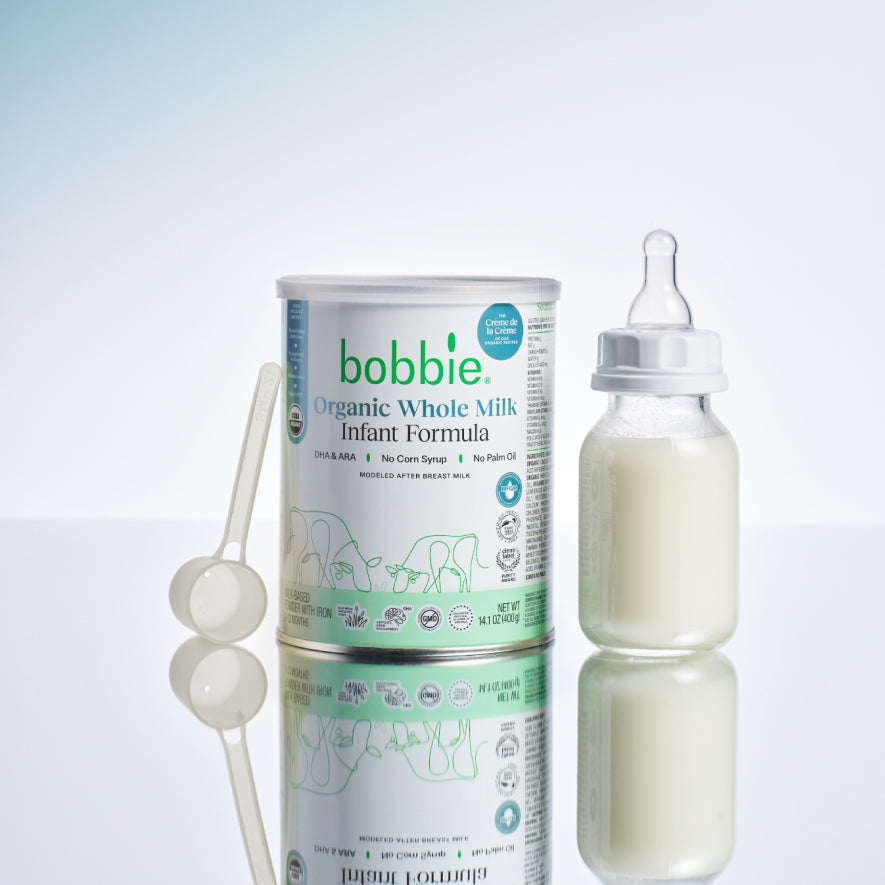
Shop Organic Whole Milk Infant Formula
The content on this site is for informational purposes only and not intended to be a substitute for professional medical advice, diagnosis or treatment. Discuss any health or feeding concerns with your infant’s pediatrician. Never disregard professional medical advice or delay it based on the content on this page.