

Formula Feeding 101: The Basics of Formula Feeding
Published November 30, 2023
Last Updated:
If you’re considering formula feeding your baby, you probably have a lot of questions, and you’re wondering where to begin. Formula feeding can be used as your baby’s full source of nutrition or alongside breast milk through combo feeding. Here, we break down the basics of baby formula, including what it is, how to choose one, how to prepare it, how much to feed your baby, and practical tips to make feeding feel easier.
What is Baby Formula?
Baby formula (or infant formula) is crafted to contain essential macronutrients and micronutrients that an infant needs to grow and develop during the first 12 months of life. Infant formulas are manufactured to be nutritionally complete, and to mirror the nutrient composition of breast milk as closely as possible.
In the U.S., infant formulas are regulated by the FDA and must meet specific nutrition and safety standards. That means standard infant formulas are designed to provide complete nutrition for babies during the first year of life when prepared and used according to the label.
Formula Feeding Basics: Quick Start Guide
If you’re new to formula feeding, start with the basics: choose an infant formula that meets FDA requirements, prepare it exactly according to the label, feed your baby based on hunger and fullness cues, and follow safe storage rules for prepared bottles. Most babies drink formula through their first year of life, with breast milk and/or formula remaining their main source of nutrition until age one.
When in doubt, your pediatrician can help you choose a formula, understand how much your baby needs, and troubleshoot feeding concerns like gas, spit-up, constipation, or changes in intake.
Types of Baby Formula
There are three types of formula: powder formula, ready-to-feed formula, and formula concentrate. Powder formula is prepared by mixing water with the appropriate measurement of powder. Ready-to-feed formula is a liquid formula that requires no preparation. Concentrate is prepared by mixing water with the appropriate measurement of concentrated formula.
Powder formula is often the most common option for everyday feeding, while ready-to-feed formula can be especially convenient for travel, daycare, or newborn feeds when you want no-mix preparation. Concentrate may be less common, but it can be useful for families who prefer a liquid option that still requires mixing.
Meet the first and only USDA organic infant formula manufactured in the U.S.! Bobbie Organic Whole Milk Formula offers complete nutrition for baby's first year with our closest to breastmilk recipe.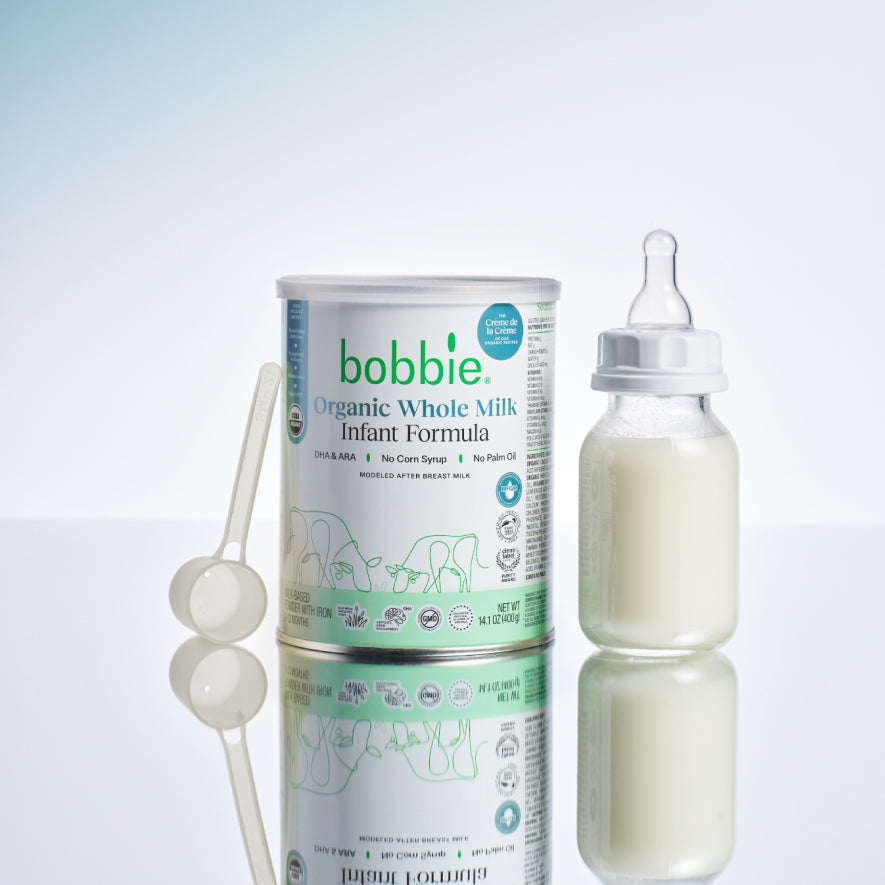
Shop Organic Whole Milk Infant Formula
How to Choose Baby Formula
There are many things to consider when feeding a baby and choosing a formula. First, you need to consider your baby’s needs, such as any medical diagnoses, allergies, or intolerances they may have, and if they’d require any specialty formulas. It’s also important to consider your priorities and values when choosing a formula, such as:
- Would you prefer a milk based formula?
- Would you prefer an organic formula?
- Would you prefer a formula with prebiotics/probiotics?
- Would you prefer a formula with DHA?
- Would you prefer a subscription service and have your formula delivered to you?
- What’s in your budget?
Narrowing down your priorities and preferences can help you decide which formula to choose when comparing different options on the market. But before diving further into the article, watch our video below for a pediatric dietitian's guidance on comparing formula options and identifying the factors that matter most for your baby and family!
The “best” formula is the one that meets your baby’s nutritional needs, fits your family’s feeding routine, and is tolerated well by your baby. Some families prioritize organic ingredients, whole milk, DHA, or subscription convenience, while others may need a gentle, hypoallergenic, or specialty formula based on their baby’s symptoms or pediatrician’s guidance. If your baby has allergies, poor weight gain, persistent digestive discomfort, or other medical concerns, ask your pediatrician before choosing or switching formulas.
How to Prepare Baby Formula
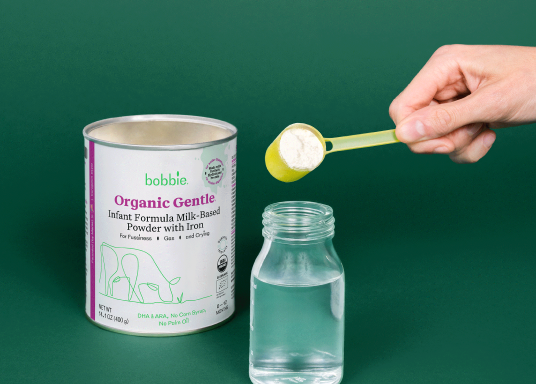
The first step is to always wash your hands and to make sure that your bottles and nipples are clean and dry. Next, add the appropriate amount of warm or hot water to the bottle. Then, using level, unpacked scoops, add the corresponding amount of powder formula. Always follow the instructions on your container of formula. Swirl, stir, or shake to combine. Test the bottle’s temperature on your wrist before offering it to your baby.
Always measure water and formula powder exactly as directed on the label. Adding too much or too little powder can affect the balance of nutrients and water your baby receives. Avoid microwaving prepared formula, since it can create hot spots; instead, warm bottles by placing them in a bowl of warm water or using a bottle warmer. If you are mixing formula concentrate, follow the instructions on the container. Measure your water, and add the corresponding amount of concentrate and mix.
How Much Formula Should I Feed My Baby?
For a formula fed newborn, it is recommended you feed on demand through the first 12 weeks of life. Follow hunger cues such as closed fists, lip smacking, sucking on hands, or rooting (baby’s head turning towards bottle or breast). You’ll know your baby is full when they exhibit fullness cues such as soft, open hands, a closed mouth, slowed intake from the bottle, turning their head from the bottle, or becoming fussy/irritated on the bottle.
Around 3 months of age, your baby will fall into patterns or schedules. At this point, it is recommended that your baby is getting anywhere from 24-32 ounces of breast milk or formula within 24 hours. When they are younger, this often looks like feeding smaller amounts of formula many times a day, but as they get older your baby will start taking higher volumes of formula fewer times per day. As always, discuss your baby’s specific needs with your pediatrician.
Formula Feeding Schedule By Age
Check out this feeding guide to help you figure out how much formula your baby may be taking and how often. Below is an example of feeding schedules to show how feeding frequency and the introduction of solids may change between 4 and 8 months of age.
While the number of bottles of formula and the amount of formula for each feeding may vary, most babies consume between 24-32 fl oz of formula each day through 12 months of age. This is true even with your baby eating solids, which typically begins around 4-6 months old, or whenever baby is showing the appropriate developmental milestones. Your baby's pediatrician can help determine this. Sometimes babies are more hungry when going through a growth spurt. If you’re concerned about how much formula your baby is eating, always talk to your pediatrician.
Sign up to get the scoop on feeding, sleep, poop, and so much more. By singing up for email, you are to receive marketing emails from Bobbie and can manage your email preferences or unsubscribe at anytime


Your go-to resource for all things new baby.
Tips for Formula Feeding a Baby
Feeding a baby is a lot of work. Here are some of our favorite tips and tricks when it comes to formula feeding:
1. Know Your Formula Storage Guidelines
Proper storage is important for safety. Always follow the instructions on your formula label.
2. Try the Batching/Pitcher Method
Making a full day's worth of formula at once can save time and simplify feeding routines. With the pitcher method, you prepare a batch of formula and store it in the refrigerator for up to 24 hours. When it's time to feed, simply pour, warm, and serve!
3. Use the Top-Up Method to Reduce Waste
If your baby is unpredictable when it comes to how much formula they might take in a feed, you can make MORE formula than you might need, pour the excess into a separate bottle/container with a lid, and pop that in the fridge.
If your baby is still hungry at the end of their bottle, just top-it-up with the formula you stored in the fridge! It’s faster than preparing more formula after the fact.
This method can also be used if your baby is taking an odd amount of formula for each feed. Make MORE formula for the first bottle, pour out an ounce and store it, then next time make LESS formula and add that stored ounce of formula to it!
4. Pre-Portion Formula Powder for On-the-Go Feedings
This is great for when you’re leaving the house and also for those middle of the night feeds. Simply scoop your powder formula into a clean, dry container. Fill your bottle with the corresponding amount of water. Then it’s as simple as combine and serve!
When to Talk to Your Pediatrician About Formula Feeding
Talk to your pediatrician if your baby is refusing feeds, has fewer wet diapers than usual, is vomiting frequently, has blood in their stool, is not gaining weight as expected, or seems consistently uncomfortable after feeding. You should also ask your pediatrician before switching to a hypoallergenic or specialty formula, especially if you suspect an allergy or intolerance.
How Long Do Babies Drink Formula?
All US infant formula is nutritionally complete for the first 0-12 months of your baby’s life because it has to meet the US FDA nutrition and quality regulations. For the first 12 weeks, you should feed your baby on demand. After that, your baby typically will consume 24-32 oz of formula per 24 hours until they turn 1. This is true even when they start eating solid foods. Formula and/or breast milk should be your baby’s primary source of nutrition with solid foods as supplementary nutrition for the whole first year. When your baby is approaching age 1, talk to your pediatrician about weaning your baby from formula. Most babies do not need to continue with formula after their first birthday.
Ready to find a formula that fits your family’s feeding routine? Explore Bobbie’s infant formula options, including organic, whole milk, and gentle formulas!
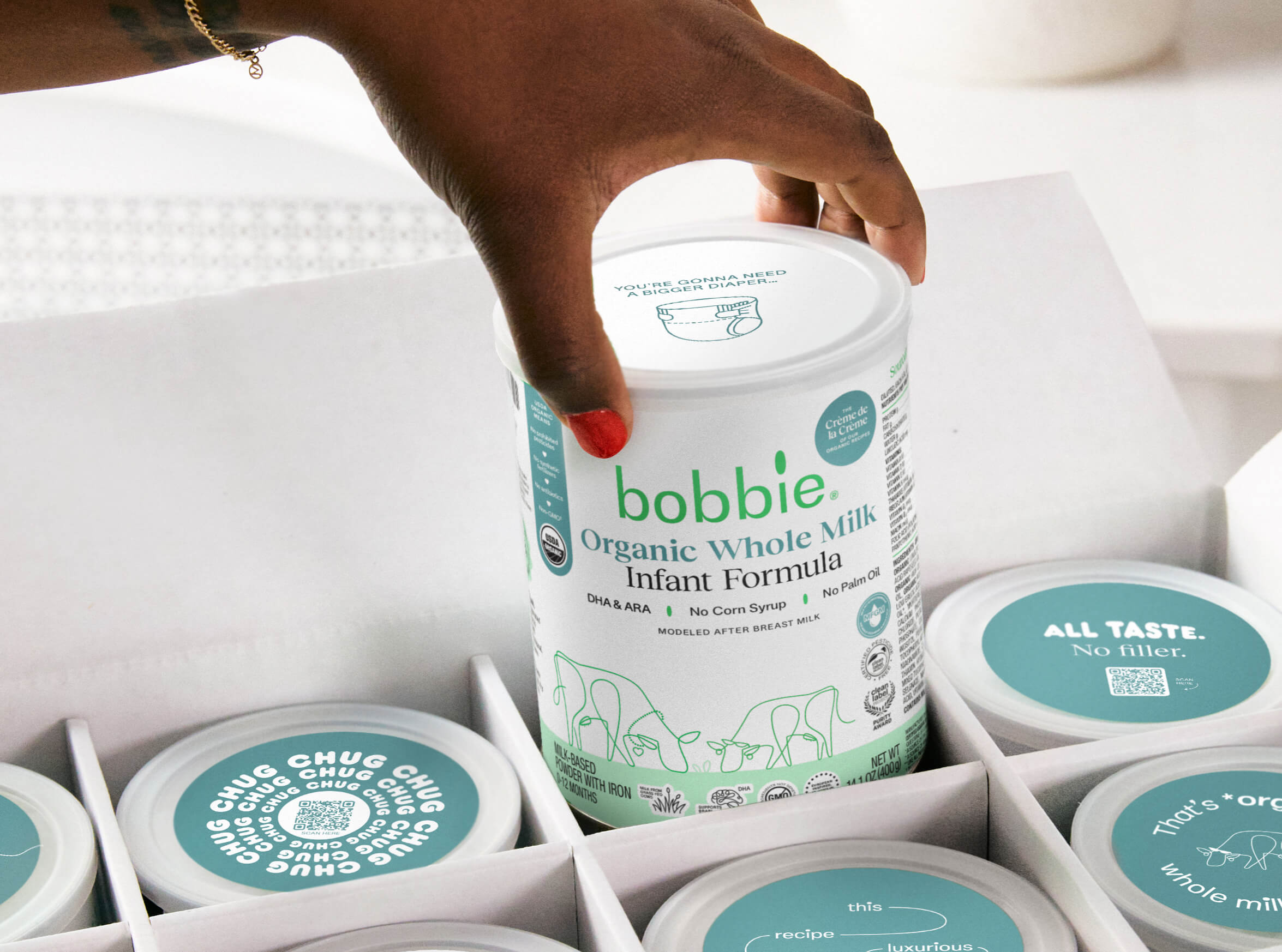
Shop Bobbie Baby Formula
Bobbie infant formulas are clean, EU-style infant formulas that meets all FDA requirements. They are complete nutrition, milk-based powder, modeled after breast milk and is easy on tummies. They are all non-GMO and do not have corn syrup, palm oil, or maltodextrin. Shop Bobbie today!
The content on this site is for informational purposes only and not intended to be a substitute for professional medical advice, diagnosis or treatment. Discuss any health or feeding concerns with your infant’s pediatrician. Never disregard professional medical advice or delay it based on the content on this page.