

Can Formula Cause Diaper Rash? Causes, Signs and What Helps
Published May 26, 2026
Almost every parent encounters diaper rash at some point. Seeing your baby’s diaper area red or irritated can be stressful, and it’s natural to ask, “Can formula cause diaper rash?”
The good news? Diaper rash is very common, usually manageable, and rarely caused by a single factor. Parents often wonder whether feeding choices, including breast milk, baby formula or solids, play a role. In this guide, we’ll cover what diaper rash is, common causes, how formula feeding may influence it, signs to watch for, practical care tips, and when it’s time to call your pediatrician.
What Is Diaper Rash, And Why Is It So Common?
Diaper rash, also called diaper dermatitis, is irritation of the skin in your baby’s diaper area. Babies’ skin is naturally delicate and sensitive, which makes it more prone to redness, friction and moisture-related irritation. Because their skin barrier is still developing, even small changes — like wetness from a diaper, friction from clothing or changes in stool — can lead to a rash.
Typical diaper rash symptoms often include:
-
Red or pink patches in the diaper area
-
Small bumps or mild irritation on the skin
-
Fussiness or discomfort, especially during diaper changes
Diaper rash can happen for many reasons. Moisture, friction, and sensitive skin are often the main culprits, but changes in digestion, diet, or even medications can also play a role. What a baby eats, whether breast milk or baby formula, may influence diaper rash, but it’s rarely the only factor. Understanding what causes diaper rash is the first step toward keeping your baby’s skin comfortable and healthy.
The Most Common Causes of Diaper Rash
Diaper rash is rarely caused by just one thing. More often, it’s the result of a few common, everyday factors working together, such as:
-
Moisture and prolonged contact with urine or stool: Leaving wet diapers on for too long can soften the skin barrier and increase irritation.
-
Friction from diapers or wipes: Both disposable and cloth diapers can rub against sensitive skin, and using rough or scented baby wipes may worsen irritation.
-
Sensitive skin and an underdeveloped skin barrier: Babies naturally have thinner skin, which makes diaper rash more likely.
-
Yeast or bacterial overgrowth: Yeast diaper rash is common in the warm, moist environment under the diaper.
-
Teething, illness or medication changes: Changes like these can affect stool consistency or frequency, sometimes worsening diaper rash.
Understanding these causes shows that diaper rash is often multifaceted, and feeding is just one piece of the puzzle.
Can Formula Feeding Play a Role in Diaper Rash?
So, can formula cause diaper rash? It’s a common question. Formula itself doesn’t cause diaper rash, but what your baby eats, or the type of formula being fed, can influence digestion, which may affect the skin in the diaper area.
Things like stool frequency and texture, as well as stool acidity, can play a role in diaper rash development. Some babies who are adjusting to a new formula or experiencing sensitivities to a formula ingredient may have looser or more frequent stools, which can make irritation more likely.
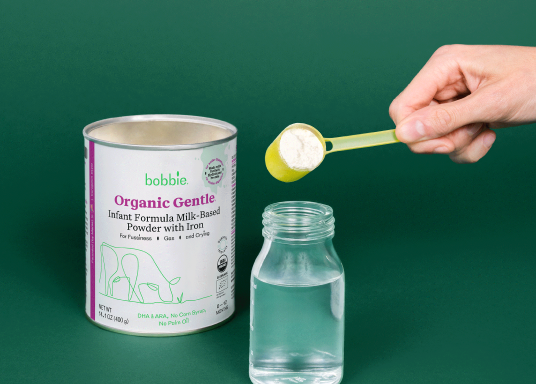
That said, this doesn’t mean formula feeding is a problem. Many babies do beautifully on thoughtfully made, hypoallergenic or organic baby formulas like Bobbie, and finding the right fit for your baby can help mitigate diaper concerns.
How Digestive Changes Show Up On Your Baby’s Skin
Your baby’s digestion and their skin are more connected than you might think. When something changes in the gut — like a new formula, a growth spurt or a shift from breast milk — it can affect what ends up in the diaper. And that, in turn, can affect the skin in the diaper area.
Digestive changes can show up on a baby’s skin in a few common ways:
-
Softer or more frequent stools, which keep moisture against the skin for longer
-
More acidic stool, which can be more irritating to sensitive skin
-
Mild sensitivities, which may contribute to eczema under the diaper, as well as on other areas of the body
These kinds of changes are especially common during feeding transitions, such as moving from breast milk to formula or switching between formulas. In most cases, your baby’s digestion and their skin adjust with a little time and gentle care.
Formula Sensitivities vs. Allergies: What Caregivers Should Know
It can be confusing to distinguish between formula sensitivity and a true food allergy, but here are some general guidelines to follow:
-
Formula sensitivities usually involve mild digestive discomfort, stool changes, or diaper rash.
-
Food allergies involve an immune response and are less common. Symptoms often extend beyond the diaper area, including hives, vomiting, blood in the stool, and/or respiratory issues.
If you’re unsure whether your baby is showing signs of allergy or formula intolerance, consult your pediatrician.
Signs Formula Might Be Contributing to Diaper Rash
There are certain patterns that may indicate your baby’s formula is influencing diaper area irritation. Look for these common clues:
-
Rash appears after introducing or switching baby formula
-
Ongoing irritation despite frequent diaper changes and gentle care
-
Digestive signs, such as gas or stool changes, alongside the rash
Remember, timing and patterns matter more than a single symptom and observing trends closely can help identify whether diet is playing a role.
Practical Care Tips For Soothing Diaper Rash
If your little one is prone to skin irritations, there are several steps you can take to support healthy skin:
-
Frequent diaper changes: Keeping the diaper area dry is key! Change diapers promptly after urination or bowel movements.
-
Gentle cleaning: Use soft baby wipes or a damp cloth, and pat the skin dry rather than rubbing.
-
Barrier creams: Diaper creams with zinc oxide can protect sensitive skin.
-
Air time: Allow your baby’s skin to breathe for short periods without a diaper.
Preventing Diaper Rash Moving Forward
Once your baby’s skin has calmed down, a few simple habits can go a long way in helping prevent diaper rash from coming back. The goal is to keep the diaper area clean, dry and as gentle on your baby’s skin as possible.
-
Keep a consistent diaper-changing routine: Changing wet or soiled diapers promptly helps limit how long moisture and stool sit against your baby’s skin, which reduces irritation.
-
Choose gentle diapering products: Look for wipes, diapers and diaper wipes designed for sensitive skin, whether you use disposable diapers or cloth diapers. Fragrance-free options are often a good choice.
-
Support comfortable digestion: A thoughtfully made baby formula, like Bobbie, can support digestion and help promote more predictable stool patterns, which may make diaper rash less likely.
-
Be mindful about switching formulas: While some changes are necessary, switching too often can lead to temporary digestive shifts that show up in the diaper. When in doubt, your pediatrician can help guide the next steps.
When It’s Time To Call The Pediatrician
Contact your pediatrician if you notice:
-
Rash lasting more than a few days despite use of over-the-counter creams
-
Signs of yeast or bacterial infection
-
Rash spreading beyond the diaper area
-
Significant discomfort or feeding difficulties
A Reassuring Reminder: You’re Doing Everything Right
Diaper rash is incredibly common, and it’s something almost every baby experiences at some point. While formula can sometimes play a small role through digestion, it’s rarely the only reason a rash shows up. With a little observation, gentle diaper care and the right feeding support, most rashes clear quickly.
Most importantly, remember this: you’re doing a great job! Feeding your baby, with breast milk, formula or a combination of both, is an act of care and love. Bobbie’s organic formulas are thoughtfully made to support babies’ digestion and development, so you can feel confident you’re giving your little one what they need.
The content on this site is for informational purposes only and not intended to be a substitute for professional medical advice, diagnosis or treatment. Discuss any health or feeding concerns with your infant’s pediatrician. Never disregard professional medical advice or delay it based on the content on this page.