


A Guide to Infant Probiotics: Benefits, Tips and Trusted Solutions for Your Baby’s Health
Published January 28, 2025
Last Updated:
Probiotics are a powerful way to support your baby’s gut health, which plays an important role in digestion and building a strong immune system.* As a new parent, it’s natural to wonder how these supplements can benefit your little one — and that’s exactly what we’re here to cover.
Read on to discover the benefits of probiotics, and find out how to choose the best option for your baby. This includes practical tips to keep your little one’s gut happy and healthy from the start!
Do Babies Need Probiotics?
Not every baby needs probiotics. Some babies may benefit from probiotics in specific situations, such as after antibiotic use or for certain digestive concerns, but they should not be treated as a universal supplement for all infants.
Because babies have developing digestive and immune systems, it’s best to ask your pediatrician before starting probiotics. Your child’s healthcare professional can help determine whether a probiotic is appropriate and which strain, dose, and timing make sense for your baby.
Probiotics vs. Prebiotics: What’s the Difference?
Probiotics and prebiotics are both related to gut health, but they work differently. Probiotics are live microorganisms, while prebiotics are compounds that help feed beneficial bacteria in the gut.
If your pediatrician recommends probiotics for your baby, Bobbie Organic Probiotic Drops are designed for infants and made to support digestive and immune health as part of your baby’s routine.
How Probiotics Support Digestive Health and Immunity From Day One
A probiotic is essentially a supplement or food containing enough beneficial live microorganisms to deliver a health benefit, such as to support gut health and digestion. Why does this matter for babies? An infant’s microbiome plays an important role in infant development. Factors like how a baby was delivered, breastfeeding or formula feeding, infections, early life antibiotic use and even a mother’s lifestyle during pregnancy can affect the balance of the bacteria that make up the gut microbiome. This is important because, starting at birth, the gut microbiome plays a key role in the development of the immune system and gut health. In fact, in order for a microbe to be classified as a probiotic, it must confer a health benefit.
Here are some of the most common concerns that probiotic supplements can support:
-
Immune support: In general, probiotics may help strengthen your little one’s gut barrier, which is important for maintaining a healthy immune system. Overall gut health plays a crucial role in protecting your newborn baby from infections and illnesses.* Benefits can vary based on the probiotic strain, dose, and your baby’s individual health needs.
- Gastrointestinal Health: When it comes to regularity, a probiotic supplement is your ally in restoring healthy bacteria, especially after antibiotic use that can disrupt your little one’s gut health. They help support normal bowel movement health, keeping your baby comfortable.*
-
Infant colic: Some research suggests that probiotics can be soothing support for a colicky baby with evidence suggesting that probiotics may reduce total crying time, which can help ease those fussy crying spells associated with colic that is not attributed to a medical condition.*Talk with your pediatrician before using probiotics for colic or persistent fussiness.
Choosing the Best Probiotic for Your Baby
If you’re thinking about introducing probiotic supplements to your baby’s diet, it’s important to know that there isn’t just one option available. There are different strains of friendly bacteria that can help support infant gut health*. But because each strain has its own unique properties and benefits, you want to choose the right one for your baby’s specific needs, , and parents should also check with their doctor or pediatrician before choosing infant formula fortified with probiotics.
Here are a few important considerations to find the best probiotic option for your little one:
- Healthcare Professional Recommendation: If you’re choosing a probiotic for your infant, consult your child’s healthcare professional prior to use.
- Age: Some probiotic strains are clinically studied and specifically designed for infants, while others may be more beneficial for older kids. Make sure to pick a product that’s suitable for your little one’s developmental stage.
- Delivery method: Probiotic products for infants are available in various forms, including powder and drops, which can be mixed into food, beverages, or milk. Some powder options also include multiple strains, for example, certain products provide 10 strains and 5 billion CFU per serving.
- Quality and purity: Opt for probiotic supplements from trusted brands that focus on quality and purity. You might also look for products that undergo third-party testing to make sure they contain the advertised strains and are free from harmful additives.
- Storage requirements: Some probiotics need to be refrigerated to stay effective, while others can sit on the shelf. Consider your lifestyle and storage options when selecting an infant probiotic to ensure it stays fresh and potent.
Many infant probiotics are available as liquid drops that can be added directly to a prepared bottle. Because probiotics contain live cultures, it's important to prepare and mix them correctly. Watch this step-by-step guide to learn how to add probiotic drops to baby formula while protecting the beneficial bacteria.
Watch: How to Add Probiotic Drops to Baby Formula: Step-by-Step Guide (Hot Water Warning)
Again, always remember to consult your child's pediatrician before starting probiotics or dietary supplements, especially if your child was born preterm, is ill, or has a weakened immune system. In these cases, the potential risks of probiotics may outweigh the benefits. Your child’s healthcare professional can provide personalized recommendations based on your baby's health, dietary needs and any specific concerns you may have.
Essential Tips for Safely Introducing Probiotics to Your Baby
Although not all babies may need probiotics, introducing probiotics to your baby’s diet can be a great way to support their gut health and overall well-being.* To help you navigate this journey with ease, here are some helpful tips on how to safely incorporate probiotics into your feeding routine:
- Choose a probiotic designed for infants: Make sure to pick probiotic products specifically studied in and designed for babies. These are made with probiotic strains, like Lactobacillus or Bifidobacterium, and dosages that fit your little one’s stage of development and support your child’s particular health needs.
- Follow dosage instructions carefully: Stick to the recommended dosage on the label or as instructed by your pediatrician. Proper dosing ensures safety and helps your baby get the full benefits of their dietary supplements.
- Monitor your baby’s reaction: Keep an eye on how your baby responds to the probiotics. If you notice any unusual reactions, reach out to your pediatrician for guidance.
- Work with your healthcare professional: For probiotics to work effectively, taking the appropriate dose for the interval with which they’ve been studied to confer clinical benefit is key. Work with your child’s healthcare professional to find the right plan.
- Store probiotics properly: Follow storage instructions carefully to keep supplements effective. Some may require refrigeration, while others can be kept at room temperature.
- Strain specificity: Not all probiotics are the same. Different strains may be studied for different uses, so look for products with clearly labeled strains and ask your pediatrician which strain, dose, and duration are appropriate for your baby.

Probiotics for Infants FAQs
Curious about probiotics for your baby but not sure where to start? Here are answers to the most common questions you may have when introducing these healthy bacteria to your little one's routine.
Do all babies need probiotics?
No. Not every baby needs a probiotic supplement. Probiotics may be helpful in certain situations, but parents should ask a pediatrician before starting them.
How do I know if my baby needs probiotics?
If your baby struggles with issues like non-medical colic or antibiotic-associated GI challenges, probiotics might help.* Be sure to consult with your pediatrician to see if they’re a good fit.
How long does it take to see the benefits of probiotics in my baby?
Keep in mind that probiotics aren’t instant fixes. It may take a few weeks to notice improvements in your baby’s digestion or immune health, so try to stay patient.*
Can probiotics cause any side effects in infants?
Probiotics are usually safe with minimal side effects, like mild gas or bloating, for healthy babies and adults. However, if your baby was born early or has a weakened immune system, they may be more at risk for adverse reactions, so it's important to consult your pediatrician first.
How often should I give probiotics to my baby?
Follow the dosage instructions on the package or your pediatrician’s advice to get the best results for your little one.
Can I use probiotics alongside other medications or supplements?
Double-check with your healthcare provider before administering probiotics alongside other supplements or medications. This ensures they won’t interfere with any other medications or supplements your baby is taking.
Can probiotics be given to babies who are breastfeeding or formula-fed?
Absolutely! The method of feeding usually isn’t an indicator of whether or not a child needs a probiotic. Probiotics can benefit both breastfed and formula-fed babies. Incorporating these supplements into your routine may support their gut health and immune system.*
What is the difference between probiotics and prebiotics?
Probiotics are live microorganisms, while prebiotics are compounds that feed beneficial bacteria in the gut. Both are related to gut health, but they work differently.
Should formula-fed babies take probiotics?
Formula-fed babies do not automatically need probiotics. Feeding method alone usually does not determine whether a baby needs a probiotic supplement. Ask your pediatrician if you’re considering probiotics for a specific concern.
Enhancing Baby Health With Probiotics and Trusted Solutions for Infants
Probiotics can support your baby’s health, especially when your pediatrician recommends them for specific concerns. These friendly bacteria can play a key role in supporting digestion and strengthening immune health.*
When looking for the best supplement options for your little one, it’s important to start with your child’s healthcare professional’s recommendation. When it comes to supporting infant health, Bobbie offers quality infant formulas designed to nourish and support your baby’s long-term health and development. Probiotics may support infant gut health in certain situations, especially when your pediatrician recommends them for a specific concern. The best place to start is with your child’s healthcare professional, who can help determine whether a probiotic is appropriate and which strain, dose, and timing make sense for your baby.
For everyday infant nutrition, Bobbie offers thoughtfully designed formulas made to support your baby’s growth and development. Explore Bobbie formulas to find the right fit for your family.
Shop Bobbie today to get started!
Bobbie Organic Gentle Infant Formula is the only baby formula in the U.S. market that offers 100% partially-hydrolyzed whey protein and 100% organic lactose as the carbohydrate source. Our gentle baby formula is easy on sensitive tummies to help alleviate fussiness from gas. Shop Bobbie Gentle today!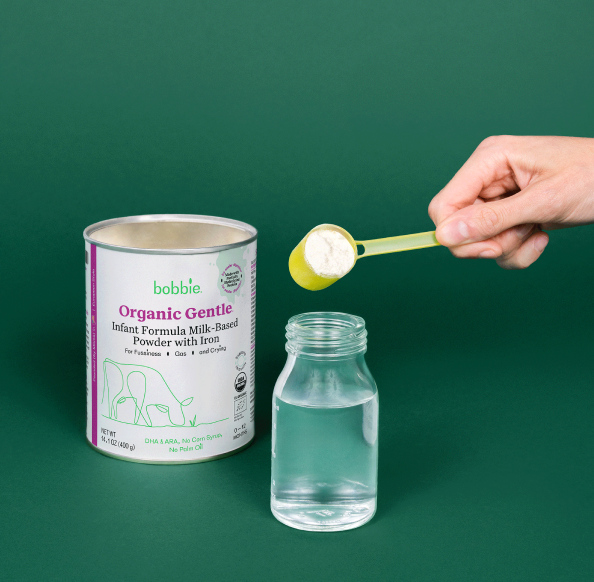
Shop Bobbie Gentle Organic Infant Formula
*These statements have not been evaluated by the Food and Drug Administration. This product is not intended to diagnose, treat, cure, or prevent any disease.
References:
https://isappscience.org/for-scientists/resources/probiotics/
https://ods.od.nih.gov/factsheets/Probiotics-HealthProfessional/
https://www.nccih.nih.gov/health/probiotics-usefulness-and-safety
https://publications.aap.org/pediatrics/article/126/6/1217/65014/Probiotics-and-Prebiotics-in-Pediatrics
https://pmc.ncbi.nlm.nih.gov/articles/PMC4681407/
https://pubmed.ncbi.nlm.nih.gov/35349168/
https://pubmed.ncbi.nlm.nih.gov/31039287/
https://pubmed.ncbi.nlm.nih.gov/36219218/
https://pmc.ncbi.nlm.nih.gov/articles/PMC6415699/
https://pmc.ncbi.nlm.nih.gov/articles/PMC7468726/
The content on this site is for informational purposes only and not intended to be a substitute for professional medical advice, diagnosis or treatment. Discuss any health or feeding concerns with your infant’s pediatrician. Never disregard professional medical advice or delay it based on the content on this page.