Published December 11, 2025

Nesting During Pregnancy: How To Embrace This Natural Urge While Taking Care of Yourself
Pregnancy is a journey full of exciting changes, and one of the most instinctive and fascinating experiences you might notice is the urge to nest. Nesting is a natural part of preparing for your baby’s arrival. And while it’s a completely normal feeling, it’s also important to find a balance between this enthusiasm and your rest and self-care.
We’re taking a closer look at what pregnancy nesting looks like, why it happens and how expecting parents can embrace this instinct in a safe, enjoyable way!
Nesting During Pregnancy: What It Is and Why It Happens
Nesting is the instinctive urge many expecting parents feel to prepare their home and life for the arrival of a baby. Think of it as nature’s way of helping you get ready for your little one. This can show up in many ways, including:
-
Tidying up closets
-
Organizing baby clothes
-
Deep-cleaning the kitchen
-
Creating a cozy nursery
For some, it’s a burst of energy that sparks creativity and planning, while for others, it’s a more subtle desire to arrange things just so.
The Biological and Emotional Drive Behind Nesting
Nesting isn’t just about getting your space ready; it’s also a natural biological and emotional impulse. Hormonal changes during pregnancy can heighten this inclination, making you more aware of your environment and motivated to create a safe space for your baby.
A Natural Way To Reduce Anxiety During Pregnancy
This preparation may also help reduce anxiety, giving you a sense of control as you navigate the many changes of pregnancy. In a time that can feel unpredictable, nesting offers a way to channel energy into something productive and comforting.
Essentially, nesting is your body and mind working together so you’re ready for what happens after labor, and it’s completely normal!
A Closer Look at the Typical Nesting Timeline
Nesting can happen at different times for everyone, but it’s most commonly experienced in the third trimester (when the arrival of your baby feels imminent). Some parents-to-be may notice this natural instinct earlier, in the second trimester, while others may feel it only in those final weeks.
What does common nesting behavior for an expectant mother look like?
-
Sudden bursts of energy: Even after a long day, you might feel a surprising surge of motivation to tackle household tasks, like doing laundry, wiping down surfaces or rearranging your living space.
-
Deep cleaning: Scrubbing, dusting or decluttering can feel incredibly satisfying. You may find yourself addressing areas you’ve been putting off, such as cleaning out the pantry or washing the windows.
-
Organizing the nursery: From setting up the crib and arranging baby clothes to sorting toys and labeling storage bins, creating a functional and cozy space for your little one becomes a top priority.
-
Meal prepping and stocking up: Planning ahead can feel rewarding, whether that’s prepping freezer-friendly meals, making grocery lists or buying new baby essentials like diapers and wipes.
-
Attention to detail: Small touches matter. You may focus on precisely arranging blankets, folding onesies neatly or choosing the perfect placement for baby supplies.
Once you recognize that you’re in the nesting stage and embrace these instincts, be sure to pace yourself and take breaks; self-care is an important part of preparing for a new baby, too. And remember that nesting doesn’t have to be a solo effort — partners can play a big role in helping you get ready for birth. This not only eases the workload but also turns nesting into a shared, meaningful experience as you welcome your little one to the world.
Meet the first and only USDA organic infant formula manufactured in the U.S.! Bobbie Organic Whole Milk Formula offers complete nutrition for baby's first year with our closest to breastmilk recipe.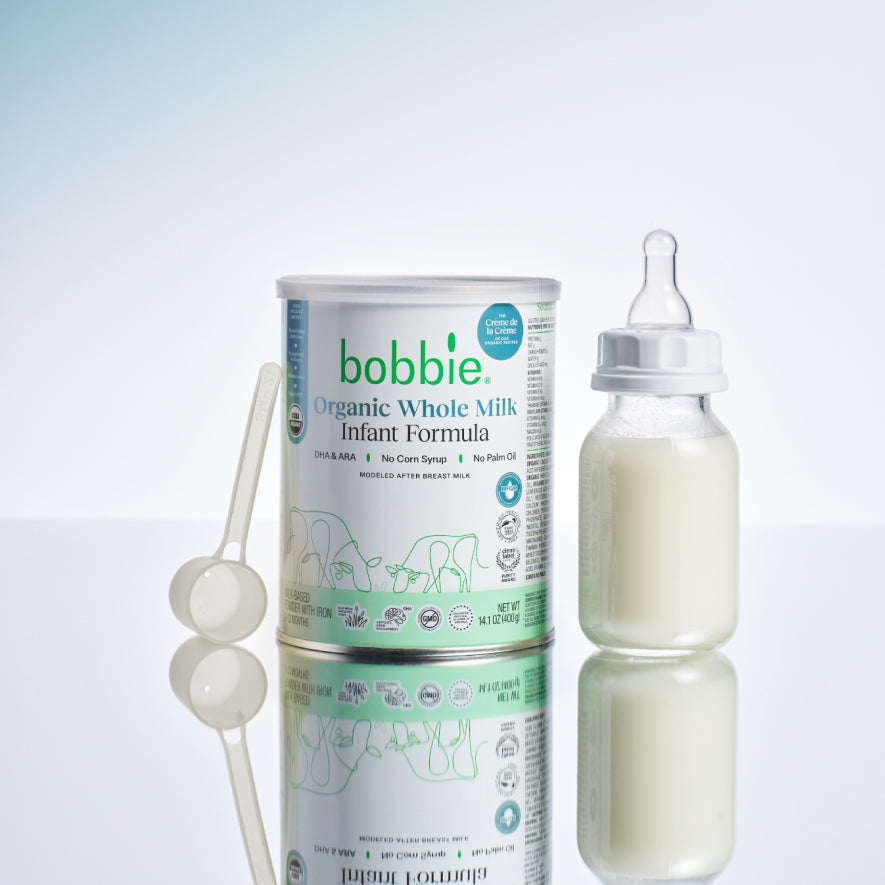
Shop Organic Whole Milk Infant Formula
Safe Nesting Tips: How To Prepare for Your Baby Without Overdoing It
Throughout the nesting phase, it’s important to balance urges with self-care. Here are a few best practices for nesting safely during pregnancy:
-
Avoid harsh chemicals: Choose pregnancy-safe cleaning products or natural alternatives. Strong fumes from bleach, ammonia or other harsh cleaners can be harmful, so read labels carefully and ensure proper ventilation when cleaning or painting.
-
Skip heavy lifting: Let partners or friends help with moving furniture, carrying large boxes or lifting heavy items. Protecting your back and body comes first.
-
Balance energy bursts with rest: Nesting often comes with sudden bursts of motivation, but be sure to take breaks, hydrate and rest when you feel tired. Listen to your body; your energy isn’t unlimited, and pacing yourself helps you stay safe.
-
Listen to your body: Pay attention to signs of fatigue, discomfort or stress. If a task feels too strenuous, pause or modify it. Pregnancy is a marathon, not a sprint.
-
Ask for help: Don’t hesitate to reach out for help. Nesting activities can be more enjoyable and less stressful when shared, and support helps you focus on both planning and your well-being.
When Nesting Becomes Too Much
The nesting instinct is both natural and oftentimes helpful, but excessive nesting can lead to fatigue, stress or overexertion. Look for early signs like:
-
Feeling constantly tired
-
Experiencing physical discomfort
-
Becoming anxious if tasks aren’t completed perfectly
When these feelings come up, it’s important to take a step back, rest and ask for support from your circle or healthcare provider.
Sign up to get the scoop on feeding, sleep, poop, and so much more. By singing up for email, you are to receive marketing emails from Bobbie and can manage your email preferences or unsubscribe at anytime

Your go-to resource for all things new baby.
Nurturing Yourself During Nesting
Every pregnancy and nesting experience is unique. Some days your desire to organize and prep may feel strong, while other days it may be minimal — and that’s perfectly normal. To nurture yourself throughout the journey, consider incorporating:
-
Mindfulness practices like breathing exercises or guided meditation
-
Journaling about your hopes, labor preparations or daily experiences
-
Gentle activities like stretching, prenatal yoga or a relaxing bath
These moments not only help you recharge but also support your emotional well-being along the way.
When Is It Time To Take It Easy?
Here’s how to recognize when it might be time to slow down:
1. Listen Closely to Your Body
If you're feeling tired, overwhelmed or physically uncomfortable, it’s perfectly okay to take a break or skip certain tasks. Remember, nesting doesn’t have to happen every day, and it’s normal for the intensity to vary throughout your pregnancy.
2. Follow Guidance From Your OBGYN
Always listen to your healthcare provider, especially if pelvic rest, bed rest or reduced activity is recommended. When nesting starts to feel stressful or excessive, try breaking tasks into smaller, manageable steps and prioritizing what truly matters.
3. Communicate With Your Support System
Talk openly with your partner, family or healthcare provider about your nesting plans and how you’re feeling. They can help share the workload, provide reassurance and ease anxiety.
Remember, taking it easy isn’t a setback; it’s a healthy, balanced way to care for yourself and your baby while still preparing for the exciting journey ahead.
Pregnancy Nesting FAQs
Still have questions? Here’s a closer look at some common nesting curiosities and concerns:
Is nesting the same for every pregnancy?
Not at all. Nesting looks different for everyone and can even vary from one pregnancy to the next. Some parents-to-be experience strong inclinations to clean and organize, while others notice a subtler version of the instinct. Both are completely normal!
Can nesting start earlier than the third trimester?
Yes! Although nesting is most common in the third trimester, some expecting parents notice the urge as early as the second trimester. Timing is flexible, and there’s no “right” moment when it begins.
Are there cultural differences in how nesting is experienced or expressed?
Cultural beliefs and traditions can certainly shape how nesting takes place. In some cultures, community and family involvement play a big role in preparing for the baby, while in others, nesting may be a more private or symbolic practice.
Can nesting cause physical exhaustion, and how can I manage it?
Yes — overdoing it can sometimes lead to fatigue, back strain or even overexertion. To manage this, try pacing yourself and prioritizing only the most important tasks. Be sure to ask for help when needed and remember that rest is also part of preparation.
Does the nesting instinct happen during pregnancy with multiples (twins, triplets)?
Yes, though it may feel more intense due to the added preparation required. As always, balance activity with rest and follow guidance from your healthcare provider.
Can stress or anxiety affect the intensity of nesting urges?
Yes. Stress and anxiety can sometimes heighten nesting instincts or, on the other hand, make them less noticeable. Practicing mindfulness, leaning on support systems and finding calming outlets can help.
How can partners best support their pregnant loved ones during the nesting phase?
Partners can help by sharing tasks like organizing the nursery, assembling baby items, prepping meals or running errands. Emotional support and encouragement, or simply being present, can also make nesting safer and more enjoyable.
Ready, Set, Nest
Nesting is a natural and helpful instinct in pregnancy, giving you the motivation and focus to prepare for your little one’s arrival. Whether it looks like deep-cleaning the nursery, organizing tiny clothes or simply making lists, it’s all part of getting ready for the steps ahead. And remember — every nesting journey is different. There’s no right or wrong pace, but balancing bursts of activity with rest helps keep the experience positive and safe.
As you embrace this special season, Bobbie is here to support you with nourishing infant formula and resources designed for growing families. Explore more insights in the Feeding Room, or shop Bobbie Organic Infant Formula today.
The content on this site is for informational purposes only and not intended to be a substitute for professional medical advice, diagnosis or treatment. Discuss any health or feeding concerns with your infant’s pediatrician. Never disregard professional medical advice or delay it based on the content on this page.